Pterodon pubescens
Pterodon pubescens · Accepted scientific name
Scientific literature: Very Sparse (20 studies) · ★☆☆☆☆
, scientifically known as Pterodon pubescens, is a remarkable medicinal plant valued for its diverse therapeutic properties. Traditionally used in various healing practices, this species offers unique bioactive compounds that support holistic wellness. Understanding its botanical characteristics and pharmacological potential is essential for exploring its significant contributions to natural medicine.
- Family
- Fabaceae
- Native range
- Southern America
- Parts used
- Seed
- Common names
- Not available
- Scientific synonyms
- Sweetia Inornata · Commilobium Pubescens · 1 more
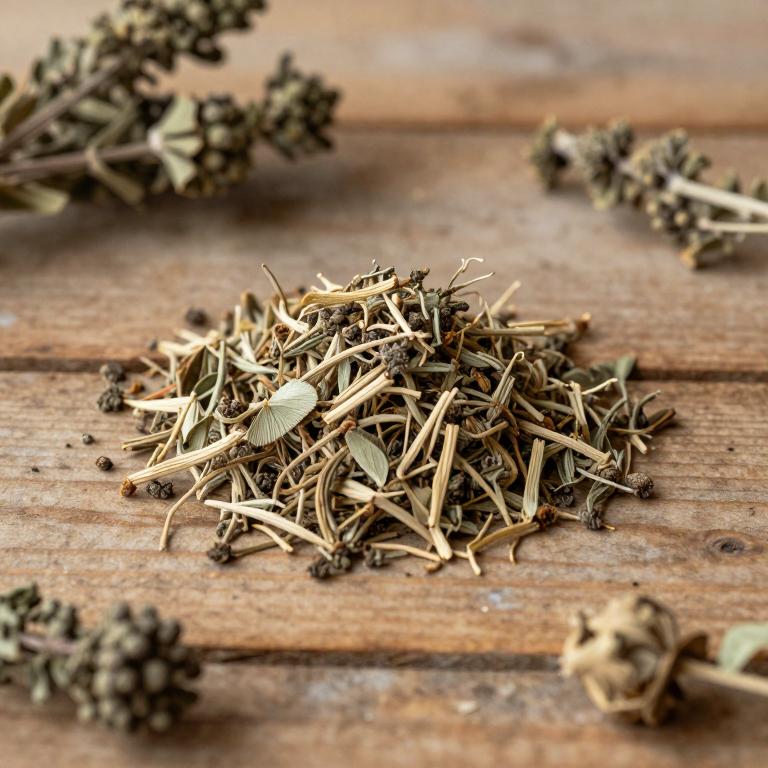
Names and Synonyms
Scientific Names
Accepted name
Pterodon pubescensSynonyms
- Sweetia inornata
- Commilobium pubescens
- Acosmium inornatum
Sources: Wikidata, Catalogue of Life
Taxonomical Classification
This plant belongs to the kingdom Plantae and the phylum Streptophyta, falling under the class Equisetopsida and subclass Magnoliidae. Within the order Fabales, it is classified under the family Fabaceae and specifically within the genus Pterodon.
| Rank | Classification |
|---|---|
| Kingdom | Plantae |
| Phylum | Streptophyta |
| Class | Equisetopsida |
| Subclass | Magnoliidae |
| Order | Fabales |
| Family | Fabaceae |
| Genus | Pterodon |
Sources: The World Checklist of Vascular Plants (WCVP)
Distribution
This plant exhibits a specific geographical range within the vast territory of Brazil. Its presence is documented across the West-Central region of the country. Additionally, the species can be found extending into the Northeast part of Brazil. These two distinct areas represent the primary locations where the plant is naturally distributed. Consequently, its habitat is concentrated within these specific Brazilian territories.
| Region | Area |
|---|---|
| Brazil | Brazil West-Central |
| Brazil | Brazil Northeast |
Sources: The World Checklist of Vascular Plants (WCVP)
Plant Parts
Pterodon pubescens has 1 reported plant parts identified across 4 scientific publications and several other databases that are studied for medicinal purposes. The most consistently reported plant part include seed.
| Plant part | Supporting sources | Consensus |
|---|---|---|
| Seed | 4 supporting sources | ★★☆☆☆ |
Seed
- Phytotherapy research : PTR
- Phytochemical analysis : PCA
- Parasitology research
- Toxicology letters
Chemicals
Pterodon pubescens has 4 reported phytochemicals identified across 4 scientific publications and several other databases. The most consistently reported chemicals include Dehydroabietol, E-Caryophyllene, Eremanthine, Geranylgeraniol.
| Chemical | Supporting sources | Consensus |
|---|---|---|
| Dehydroabietol | 1 supporting sources | ★☆☆☆☆ |
| E-Caryophyllene | 1 supporting sources | ★☆☆☆☆ |
| Eremanthine | 1 supporting sources | ★☆☆☆☆ |
| Geranylgeraniol | 1 supporting sources | ★☆☆☆☆ |
Dehydroabietol
- Natural product research
E-Caryophyllene
- Natural product research
Eremanthine
- Environmental and molecular mutagenesis
Geranylgeraniol
- BMC pharmacology
Activities
Pterodon pubescens has 3 reported activities identified across 4 scientific publications and several other databases. The most consistently reported activities include Antinociceptive, Analgesic, Antiarthritic.
| Activity | Supporting sources | Consensus |
|---|---|---|
| Antinociceptive | 2 supporting sources | ★☆☆☆☆ |
| Analgesic | 1 supporting sources | ★☆☆☆☆ |
| Antiarthritic | 1 supporting sources | ★☆☆☆☆ |
Antinociceptive
- Journal of ethnopharmacology
- BMC pharmacology
Analgesic
- BMC pharmacology
Antiarthritic
- Phytotherapy research : PTR
Conditions
Pterodon pubescens has 7 reported investigations on conditions identified across 4 scientific publications and several other databases. The most consistently reported conditions include arthritis, analgesic, collagen-induced arthritis, neuropathic pain, pain.
| Condition | Supporting sources | Consensus |
|---|---|---|
| Arthritis | 2 supporting sources | ★☆☆☆☆ |
| Analgesic | 1 supporting sources | ★☆☆☆☆ |
| Collagen-induced arthritis | 1 supporting sources | ★☆☆☆☆ |
| Neuropathic pain | 1 supporting sources | ★☆☆☆☆ |
| Pain | 1 supporting sources | ★☆☆☆☆ |
| Rheumatoid arthritis | 1 supporting sources | ★☆☆☆☆ |
| Schistosomiasis | 1 supporting sources | ★☆☆☆☆ |
Arthritis
- Clinical and experimental rheumatology
- Toxicology letters
Analgesic
- BMC pharmacology
Collagen-induced arthritis
- Phytotherapy research : PTR
Neuropathic pain
- Iranian journal of basic medical sciences
Pain
- BMC pharmacology
Rheumatoid arthritis
- Phytotherapy research : PTR
Schistosomiasis
- Environmental and molecular mutagenesis
Preparations
Pterodon pubescens has 4 reported preparations identified across 4 scientific publications and several other databases. The most consistently reported preparations include "sucupira" oil, Pp seed infusions, hydroalcohol extract of seeds, oil.
| Preparation | Supporting sources | Consensus |
|---|---|---|
| "sucupira" oil | 1 supporting sources | ★☆☆☆☆ |
| Pp seed infusions | 1 supporting sources | ★☆☆☆☆ |
| Hydroalcohol extract of seeds | 1 supporting sources | ★☆☆☆☆ |
| Oil | 1 supporting sources | ★☆☆☆☆ |
"sucupira" oil
- Environmental and molecular mutagenesis
Pp seed infusions
- Phytotherapy research : PTR
Hydroalcohol extract of seeds
- Phytotherapy research : PTR
Oil
- Phytochemical analysis : PCA