Pterocephalus nestorianus
Pterocephalus nestorianus · Accepted scientific name
Scientific literature: Very Sparse (15 studies) · ★☆☆☆☆
, scientifically known as Pterocephalus nestorianus, is a rare medicinal plant valued for its unique therapeutic properties. Traditionally utilized in ancient herbal remedies, this species offers significant potential for modern pharmacological research. Understanding its bioactive compounds provides vital insights into treating various ailments and advancing natural healthcare solutions globally.
- Family
- Caprifoliaceae
- Native range
- Asia-Temperate
- Parts used
- Not available
- Common names
- Not available
- Scientific synonyms
- Pterocephalus Kurdicus Var. Viscosissimus
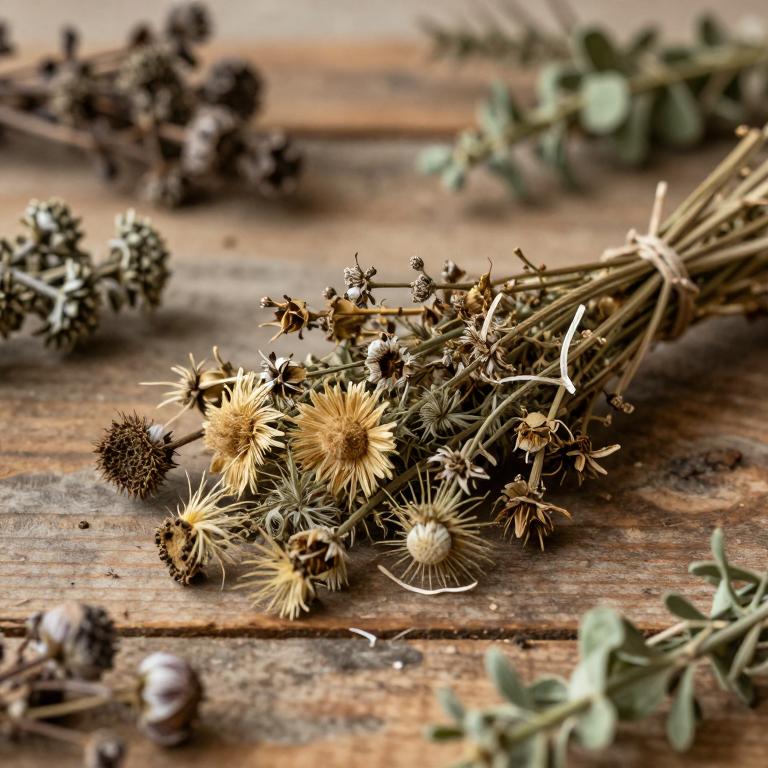
Names and Synonyms
Scientific Names
Accepted name
Pterocephalus nestorianusSynonyms
- Pterocephalus kurdicus var. viscosissimus
Sources: Wikidata
Taxonomical Classification
This plant belongs to the kingdom Plantae and is classified under the phylum Streptophyta and class Equisetopsida. Within the subclass Magnoliidae, it is organized under the order Dipsacales and the family Caprifoliaceae. Finally, it is identified by its specific genus, Pterocephalus.
| Rank | Classification |
|---|---|
| Kingdom | Plantae |
| Phylum | Streptophyta |
| Class | Equisetopsida |
| Subclass | Magnoliidae |
| Order | Dipsacales |
| Family | Caprifoliaceae |
| Genus | Pterocephalus |
Sources: The World Checklist of Vascular Plants (WCVP)
Distribution
This plant, Pterocephalus nestorianus, exhibits a specific geographical range across the Middle East. Its natural habitat is primarily concentrated within the region of Western Asia. Specifically, the species can be found growing in the territories of Iran. Furthermore, its distribution extends into the country of Iraq. Finally, this medicinal plant is also documented to occur within Türkiye.
| Region | Area |
|---|---|
| Western Asia | Iran |
| Western Asia | Iraq |
| Western Asia | Türkiye |
Sources: The World Checklist of Vascular Plants (WCVP)
Chemicals
Pterocephalus nestorianus has 7 reported phytochemicals identified across 0 scientific publications and several other databases. The most consistently reported chemicals include (E)-Hex-2-en-1-ol, (E)-Hex-2-enal, 3,5-Di-O-caffeoylquinic acid, 6,10,14-Trimethylpentadecan-2-one, Loganic acid.
| Chemical | Supporting sources | Consensus |
|---|---|---|
| (E)-Hex-2-en-1-ol | 1 supporting sources | ★☆☆☆☆ |
| (E)-Hex-2-enal | 1 supporting sources | ★☆☆☆☆ |
| 3,5-Di-O-caffeoylquinic acid | 1 supporting sources | ★☆☆☆☆ |
| 6,10,14-Trimethylpentadecan-2-one | 1 supporting sources | ★☆☆☆☆ |
| Loganic acid | 1 supporting sources | ★☆☆☆☆ |
| MYRISTIC ACID | 1 supporting sources | ★☆☆☆☆ |
| lauric acid | 1 supporting sources | ★☆☆☆☆ |
(E)-Hex-2-en-1-ol
- Chemistry & biodiversity
(E)-Hex-2-enal
- Chemistry & biodiversity
3,5-Di-O-caffeoylquinic acid
- Natural product communications
6,10,14-Trimethylpentadecan-2-one
- Chemistry & biodiversity
Loganic acid
- Natural product communications
MYRISTIC ACID
- Chemistry & biodiversity
lauric acid
- Chemistry & biodiversity
Activities
Pterocephalus nestorianus has 2 reported activities identified across 0 scientific publications and several other databases. The most consistently reported activities include Antifungal, Antiproliferative.
| Activity | Supporting sources | Consensus |
|---|---|---|
| Antifungal | 1 supporting sources | ★☆☆☆☆ |
| Antiproliferative | 1 supporting sources | ★☆☆☆☆ |
Antifungal
- Chemistry & biodiversity
Antiproliferative
- Chemistry & biodiversity
Conditions
Pterocephalus nestorianus has 3 reported investigations on conditions identified across 0 scientific publications and several other databases. The most consistently reported conditions include inflammation, Candida albicans, Candida tropicalis.
| Condition | Supporting sources | Consensus |
|---|---|---|
| Inflammation | 2 supporting sources | ★☆☆☆☆ |
| Candida albicans | 1 supporting sources | ★☆☆☆☆ |
| Candida tropicalis | 1 supporting sources | ★☆☆☆☆ |
Inflammation
- Natural product communications
- Chemistry & biodiversity
Candida albicans
- Chemistry & biodiversity
Candida tropicalis
- Chemistry & biodiversity