Psorospermum laurentii
Psorospermum laurentii · Accepted scientific name
Scientific literature: Very Sparse (1 studies) · ★☆☆☆☆
Psorospermum laurentii is a botanical species that has garnered significant scientific interest due to its potential medicinal properties. Researchers have focused specifically on the seed of this plant to explore its diverse biological activities. Through the study of various extracts, scientists have identified key bioactive compounds such as physcion and friedelin. Furthermore, the presence of 1,8-dihydroxy-3-geranyloxy-6-methylanthraquinone and 3-geranyloxyemodin anthrone highlights its complex chemical profile. Most notably, these chemical constituents are being investigated for their promising anticancer potential.
- Synonyms
- Vismia Laurentii
- Common names
- Not available
- Family
- Hypericaceae
- Distribution
- Asia-Tropical
- Plant Parts
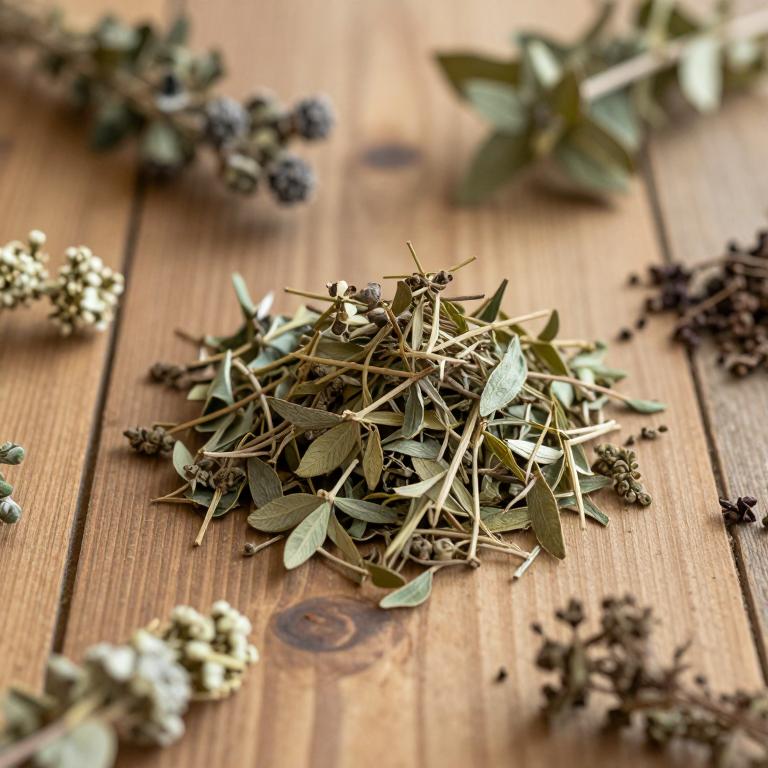
- Seed
Classification
Synonyms
Psorospermum laurentii is a distinctive plant species that is frequently identified in botanical literature under different names. Specifically, it is recognized by the synonym Vismia laurentii, a classification that may appear in older or alternative taxonomic records. Understanding this nomenclatural link is essential for researchers attempting to track the plant's distribution and ecological impact. Such synonymy ensures that scientists can accurately consolidate data regardless of which scientific name is utilized in a given study. Consequently, recognizing these overlapping identities is vital for maintaining clarity within botanical databases.
Sources: The World Checklist of Vascular Plants (WCVP)
Taxonomy
Psorospermum laurentii is a fascinating botanical specimen belonging to the vast kingdom Plantae. Within this kingdom, it is classified under the class Equisetopsida. This species is further organized into the order Malpighiales, showcasing its unique evolutionary lineage. It specifically resides within the genus Psorospermum, which helps botanists identify its closely related relatives. Finally, its taxonomic journey concludes within the family Hypericaceae, marking its definitive place in the natural world.
| Rank | Classification |
|---|---|
| Kingdom | Plantae |
| Phylum | Streptophyta |
| Class | Equisetopsida |
| Subclass | Magnoliidae |
| Order | Malpighiales |
| Family | Hypericaceae |
| Genus | Psorospermum |
Sources: The World Checklist of Vascular Plants (WCVP)
Distribution
Geographic Regions
Psorospermum laurentii is a notable plant species primarily distributed throughout the West-Central tropical regions of Africa. Its presence is well-documented across several key nations, including Cameroon and the Central African Republic. The species also thrives within the vast landscapes of the Congo. Furthermore, its range extends significantly into the Democratic Republic of the Congo. This specific geographic concentration highlights the plant's importance to the biodiversity of the West-Central African tropical belt.
Sources: The World Checklist of Vascular Plants (WCVP)
Identification
Morphology
Psorospermum laurentii is characterized by its distinct growth form as a shrub.
Sources: Global Inventory of Floras and Traits (GIFT)
Biological Activities
Psorospermum laurentii represents a significant subject of interest within the study of antioxidant-rich Cameroonian medicinal plants. Research indicates that this species possesses notable anticancer activities, contributing to the broader understanding of traditional remedies. Scientific evaluations focused on various cancer cell lines, including squamous epidermal carcinoma and melanoma, to determine the potency of these botanical extracts. The investigation specifically highlighted the cytotoxic potential of these plants as a means to combat complex diseases. Ultimately, such findings underscore the therapeutic importance of utilizing local flora for developing new medicinal treatments.
Compounds
Psorospermum laurentii, also referred to in related botanical studies as Vismia laurentii, serves as a rich source of diverse secondary metabolites. Chemical analysis of its seeds has revealed the presence of several significant compounds, including the triterpene friedelin and the prenylated anthraquinone laurenquinone A. Furthermore, the plant contains noteworthy substances such as physcion and xanthone V1. The chemical profile is rounded out by the presence of 3-geranyloxyemodin anthrone, which contributes to the plant's complex biological makeup. These constituents are of particular interest due to their demonstrated activities against various bacteria, algae, and cancer cell lines.
Conditions
Psorospermum laurentii exhibits significant anticancer activity through the use of its isolated natural compounds. These compounds demonstrate the ability to treat CCRF-CEM leukemia cells by inducing significant apoptosis and cell cycle arrest. Furthermore, the plant's derivatives are effective in treating the multidrug-resistant subline CEM/ADR5000. Research also indicates that these substances can treat Caski cancer cell lines with high sensitivity. Additionally, the plant shows therapeutic potential in treating MiaPaCa-2 pancreatic cancer cells.
Preparations
Psorospermum laurentii is prepared as extracts through a process of maceration in organic solvents. These specific extracts are subsequently evaluated for their diverse medicinal properties, including anticancer and antimicrobial activities. The study highlights how such preparations can be used to test antioxidant capacity through various biochemical assays. By utilizing these plant extracts, researchers can identify significant cytotoxic effects against different cancer cell lines. This method of preparation is essential for isolating compounds and understanding the therapeutic potential of the plant.
Parts used
Psorospermum laurentii contains specific botanical components that warrant closer scientific scrutiny, particularly regarding its seeds. Recent chemical investigations have focused on isolating unique metabolites from these seed structures to understand their biological potential. Specifically, researchers identified new prenylated anthraquinones, such as laurenquinone A and B, within the plant's seed matter. These extracted compounds have demonstrated interesting properties, including moderate algicidal activity against Chlorella fusca. Such findings highlight the importance of studying the seed part of this species for its potential medicinal or industrial applications.