Psoralea
Psoralea · Accepted scientific name
Scientific literature: Very Sparse (0 studies) · ★☆☆☆☆
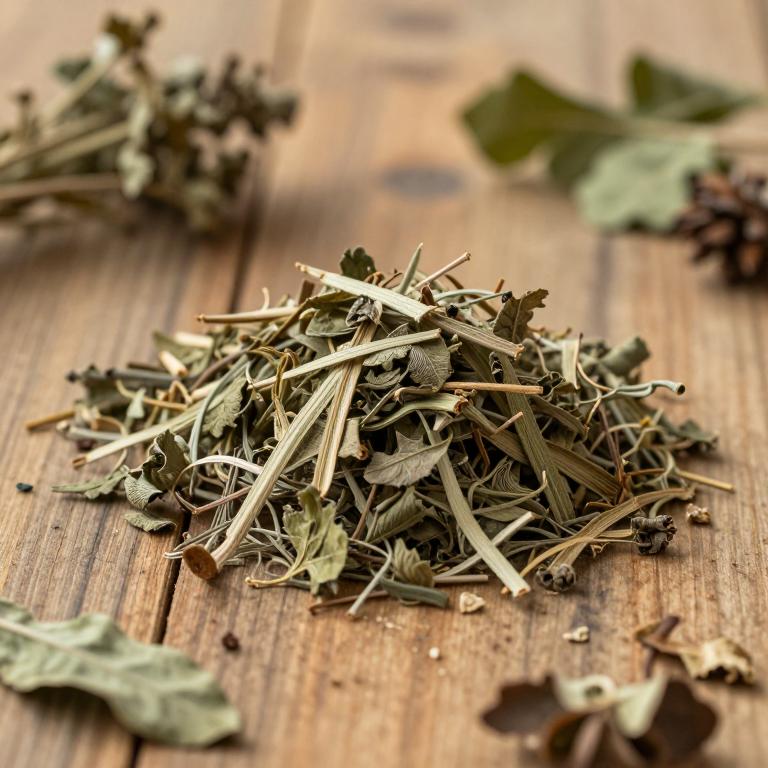
Psoralea is a diverse genus of plants known for its significant therapeutic potential in traditional medicine. Various parts of the plant, including the leaf, root, and seed, are utilized to harness its diverse medicinal properties. It is highly regarded for its anti-oxidant capabilities and its ability to act as a natural diuretic. Furthermore, the plant is often employed to alleviate constipation and combat issues related to fusariosis. Understanding these specific applications highlights the botanical importance of this versatile genus.
- Synonyms
- Hallia · Otholobium · 2 more
- Common names
- Not available
- Family
- Fabaceae
- Distribution
- Not available
- Plant Parts
- Leaf · Root
Classification
Common Names
Psoralea is a versatile plant known by a diverse array of regional names. In certain areas, it is commonly referred to as Dětelník or prašivec. It is also frequently identified as Fonteinbosse, a name that reflects its natural habitat. Many enthusiasts simply call these plants fountain bushes or fountainbushes. Finally, they are often affectionately known by the descriptive moniker of Dotty Peas.
Sources: Catalogue of Life (COL)
Synonyms
Psoralea is a botanical genus that encompasses several names previously recognized in scientific literature. Within its taxonomic history, the genus is closely linked to synonyms such as Bipontinia. It also shares a formal relationship with the name Hallia, reflecting historical shifts in classification. Furthermore, researchers have identified Otholobium and Ruteria as synonymous terms associated with this group. Understanding these connections is essential for maintaining accurate botanical records and navigating complex plant lineages.
Sources: The World Checklist of Vascular Plants (WCVP)
Taxonomy
Psoralea belongs to the vast kingdom Plantae, representing a diverse group of multicellular organisms. Within this kingdom, it is classified under the class Equisetopsida. The plant is further organized into the order Fabales, which connects it to a specific lineage of flowering plants. It falls under the family Fabaceae, a group well known for its unique botanical characteristics. Finally, its taxonomic identity is solidified within the genus Psoralea.
| Rank | Classification |
|---|---|
| Kingdom | Plantae |
| Phylum | Streptophyta |
| Class | Equisetopsida |
| Subclass | Magnoliidae |
| Order | Fabales |
| Family | Fabaceae |
| Genus | Psoralea |
Sources: The World Checklist of Vascular Plants (WCVP)
Distribution
Geographic Regions
Psoralea exhibits a diverse geographical range that spans several distinct regions across the African continent. Within East Tropical Africa, this plant can be found growing in the landscapes of both Kenya and Tanzania. Its presence extends into South Tropical Africa, where it inhabits the territories of Malawi and Mozambique. Remarkably, the species also reaches far beyond the mainland to the remote island of St. Helena in the Middle Atlantic Ocean. This broad distribution highlights the plant's ability to adapt to varied environments across the African landscape.
Sources: The World Checklist of Vascular Plants (WCVP)
Identification
Biological Activities
Compounds
Conditions
Psoralea species possess significant antibacterial properties due to their diverse bioactive compounds. These plants also demonstrate effective anti-cancer and anti-tumor activities. Furthermore, the genus provides useful anti-diabetic effects for medicinal purposes. The chemical constituents within these species also exhibit strong anti-fungal capabilities. Finally, Psoralea is recognized for its ability to provide anti-helmintic treatment.
Preparations
Parts used
Psoralea is a diverse genus of plants that has long been valued for its significant medicinal and pharmacological properties. Research indicates that various parts of the plant, specifically the leaf, root, and seed, contain a wealth of bioactive compounds. These botanical components are utilized in traditional medicine to treat conditions ranging from skin diseases to digestive issues. Toxicological studies have further confirmed that extracts derived from the leaf, root, and seed are safe for consumption when used in recommended doses. Understanding these specific plant parts is essential for the continued development of new therapeutic treatments in the pharmaceutical industry.