Psiloxylon mauritianum
Psiloxylon mauritianum · Accepted scientific name
Scientific literature: Very Sparse (15 studies) · ★☆☆☆☆
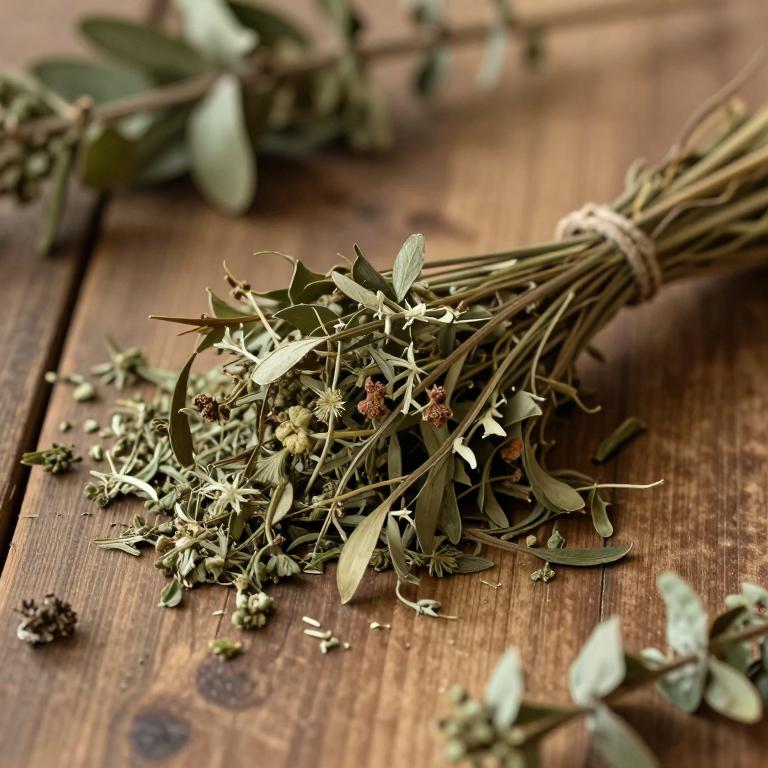
Psiloxylo mauritianum, scientifically known as Psiloxylo mauritianum, is a remarkable medicinal plant prized for its diverse therapeutic properties. Renowned in traditional medicine, it contains bioactive compounds used to treat various ailments. Understanding its chemical profile and ecological significance is essential for unlocking its full potential in modern pharmacology.
- Family
- Myrtaceae
- Native range
- Africa
- Parts used
- Leaf
- Common names
- Not available
- Scientific synonyms
- Fropiera Mauritiana
Names and Synonyms
Scientific Names
Accepted name
Psiloxylon mauritianumSynonyms
- Fropiera mauritiana
Regional and Traditional Names
Spanish:
- Psiloxylon
- Psiloxylom mauritanum
French:
- Psiloxylaceae
- Psiloxyleae
- Psiloxylacées
- Psiloxylacée
- Bois de gouyave marron
- Bois de pêche marron
- Bois sans écorce
- Bois à gratter
- Psiloxylon de Maurice
Sources: Wikidata, Catalogue of Life
Taxonomical Classification
This plant belongs to the kingdom Plantae and is classified under the phylum Streptophyta and the class Equisetopsida. Within the subclass Magnoliidae, it is positioned in the order Myrtales and the family Myrtaceae. It is specifically identified by its genus, Psiloxylon, and its species, Psiloxylon mauritianum.
| Rank | Classification |
|---|---|
| Kingdom | Plantae |
| Phylum | Streptophyta |
| Class | Equisetopsida |
| Subclass | Magnoliidae |
| Order | Myrtales |
| Family | Myrtaceae |
| Genus | Psiloxylon |
Sources: The World Checklist of Vascular Plants (WCVP)
Distribution
This plant, known scientifically as Psiloxython mauritianum, possesses a specific and limited natural range. Its geographical distribution is primarily centered within the Western Indian Ocean region. Specifically, this species can be found growing natively on the island of Mauritius. Additionally, its presence extends to the nearby island of Réunion. These two island locations represent the known extent of its natural habitat.
| Region | Area |
|---|---|
| Western Indian Ocean | Mauritius |
| Western Indian Ocean | Réunion |
Sources: The World Checklist of Vascular Plants (WCVP)
Botanical Identification
Life history
The life history of Psiloxylon mauritianum is characterized by its classification as a phanerophyte, a growth form where the perennating buds are located high above the ground on woody stems. Within the broader spectrum of its ecological strategies, it specifically functions as a phanerophyte, ensuring its survival through seasonal changes by maintaining its reproductive and vegetative structures on elevated, persistent branches. This life history strategy allows the plant to dominate its specific niche by elevating its photosynthetic and reproductive organs away from ground-level disturbances and herbivory.
- Life form :
- phanerophyte
Morphology
The morphology of Psiloxylon mauritianum is characterized by its growth habit as a self-supporting climber, which allows it to ascend through various structures. Although it possesses climbing capabilities, it remains an independent organism, functioning as a non-parasite that does not rely on a host for nutrients. In terms of its ecological positioning, it is classified as a terrestrial plant rather than an epiphyte. Furthermore, the structural composition of the plant is notably woody, providing the necessary rigidity for its developmental form.
- Climber :
- self-supporting
- Epiphyte :
- terrestrial
- Parasite :
- independent
- Woodiness :
- woody
Sources: Global Inventory of Floras and Traits (GIFT)
Plant Parts
Psiloxylon mauritianum has 1 reported plant parts identified across 1 scientific publications and several other databases that are studied for medicinal purposes. The most consistently reported plant part include leaf.
| Plant part | Supporting sources | Consensus |
|---|---|---|
| Leaf | 1 supporting sources | ★☆☆☆☆ |
Leaf
- Molecules (Basel, Switzerland)
Chemicals
Psiloxylon mauritianum has 6 reported phytochemicals identified across 1 scientific publications and several other databases. The most consistently reported chemicals include Asiatic acid, Corosolic acid, Gallic acid, caffeoylquinic acid, kaempferol.
| Chemical | Supporting sources | Consensus |
|---|---|---|
| Asiatic acid | 1 supporting sources | ★☆☆☆☆ |
| Corosolic acid | 1 supporting sources | ★☆☆☆☆ |
| Gallic acid | 1 supporting sources | ★☆☆☆☆ |
| caffeoylquinic acid | 1 supporting sources | ★☆☆☆☆ |
| kaempferol | 1 supporting sources | ★☆☆☆☆ |
| quercetin | 1 supporting sources | ★☆☆☆☆ |
Asiatic acid
- Journal of intercultural ethnopharmacology
Corosolic acid
- Journal of intercultural ethnopharmacology
Gallic acid
- Antioxidants (Basel, Switzerland)
caffeoylquinic acid
- Antioxidants (Basel, Switzerland)
kaempferol
- Antioxidants (Basel, Switzerland)
quercetin
- Antioxidants (Basel, Switzerland)
Activities
Psiloxylon mauritianum has 2 reported activities identified across 1 scientific publications and several other databases. The most consistently reported activities include Antioxidant, Hypolipidemic.
| Activity | Supporting sources | Consensus |
|---|---|---|
| Antioxidant | 1 supporting sources | ★☆☆☆☆ |
| Hypolipidemic | 1 supporting sources | ★☆☆☆☆ |
Antioxidant
- Antioxidants (Basel, Switzerland)
Hypolipidemic
- Antioxidants (Basel, Switzerland)
Conditions
Psiloxylon mauritianum has 6 reported investigations on conditions identified across 1 scientific publications and several other databases. The most consistently reported conditions include Staphylococcus aureus, amenorrhea, dengue virus, dysentery, infectious diseases.
| Condition | Supporting sources | Consensus |
|---|---|---|
| Staphylococcus aureus | 1 supporting sources | ★☆☆☆☆ |
| Amenorrhea | 1 supporting sources | ★☆☆☆☆ |
| Dengue virus | 1 supporting sources | ★☆☆☆☆ |
| Dysentery | 1 supporting sources | ★☆☆☆☆ |
| Infectious diseases | 1 supporting sources | ★☆☆☆☆ |
| Methicillin-resistant staphylococcus aureus | 1 supporting sources | ★☆☆☆☆ |
Staphylococcus aureus
- Journal of intercultural ethnopharmacology
Amenorrhea
- Journal of intercultural ethnopharmacology
Dengue virus
- Current drug targets
Dysentery
- Journal of intercultural ethnopharmacology
Infectious diseases
- Journal of intercultural ethnopharmacology
Methicillin-resistant staphylococcus aureus
- Molecules (Basel, Switzerland)
Preparations
Psiloxylon mauritianum has 4 reported preparations identified across 1 scientific publications and several other databases. The most consistently reported preparations include Aqueous Extract, Polyphenol-Rich Extract, aqueous extracts, extract.
| Preparation | Supporting sources | Consensus |
|---|---|---|
| Aqueous extract | 1 supporting sources | ★☆☆☆☆ |
| Polyphenol-rich extract | 1 supporting sources | ★☆☆☆☆ |
| Aqueous extracts | 1 supporting sources | ★☆☆☆☆ |
| Extract | 1 supporting sources | ★☆☆☆☆ |
Aqueous extract
- Antioxidants (Basel, Switzerland)
Polyphenol-rich extract
- International journal of molecular sciences
Aqueous extracts
- Biomedicine & pharmacotherapy = Biomedecine & pharmacotherapie
Extract
- International journal of molecular sciences