Psidium salutare
Psidium salutare · Accepted scientific name
Scientific literature: Very Sparse (1 studies) · ★☆☆☆☆
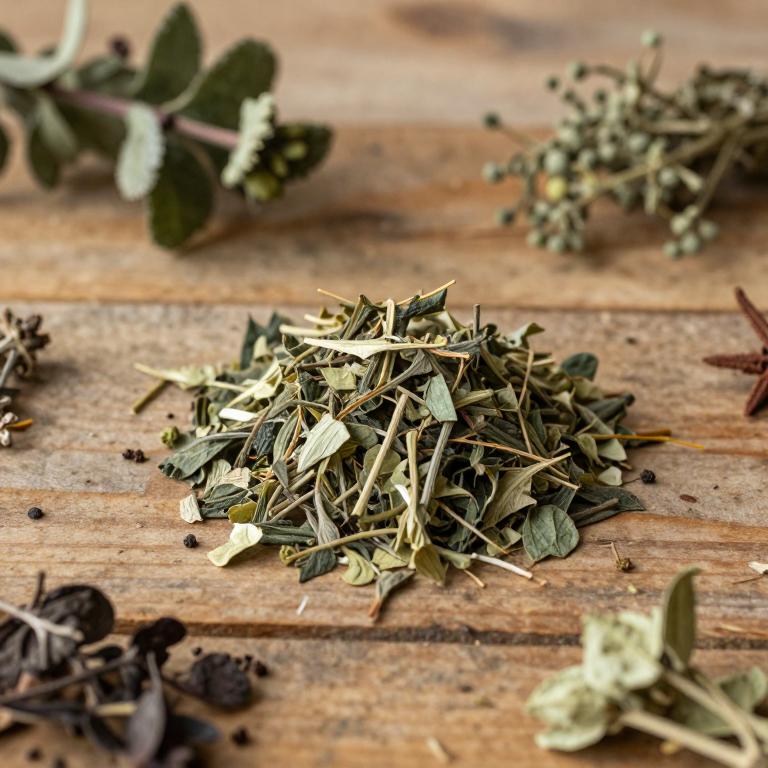
Psidium salutare is a distinctive plant species recognized for its unique botanical characteristics and potential medicinal value. Found in specific ecological niches, this plant has garnered attention for its diverse biological properties. Among its most notable attributes is its potent antifungal activity, which serves as a key area of scientific interest. Researchers are increasingly exploring how its natural compounds can be utilized to combat various fungal infections. Understanding the therapeutic potential of this species offers promising insights into natural pharmacology.
- Synonyms
- Myrtus Salutaris · Guajava Salutaris
- Common names
- Not available
- Family
- Not available
- Distribution
- Not available
- Plant Parts
- Not available
Classification
Common Names
Psidium salutare is a versatile plant recognized by a diverse array of regional names. Depending on the local dialect, it is frequently referred to as Arazá Rastrero or Araçá-rasteiro. In other areas, the species may be known by the names Araçá-do-campo or guayabita. It is also commonly identified as guayabo rajado in various botanical contexts. These multiple common names reflect the plant's widespread presence across different cultural landscapes.
Sources: Catalogue of Life (COL)
Synonyms
Psidium salutare is a botanical species that is recognized by several different scientific names throughout various taxonomic studies. In many existing records, the plant is frequently referred to by its synonym, Guajava salutaris. Additionally, researchers have historically categorized the species under the name Myrtus salutaris. These overlapping designations highlight the evolving nature of botanical classification and nomenclature. Understanding these relationships is essential for anyone studying the specific identity and lineage of this plant.
Sources: The World Checklist of Vascular Plants (WCVP)
Distribution
Geographic Regions
Psidium salutare exhibits a broad geographic range that spans across both the Northern and Southern American continents. In the north, the species is widely distributed throughout North America and various regions of Mexico, including the Gulf, Southeast, and Southwest areas. Its presence extends significantly southward into South America, where it thrives within the diverse landscapes of Brazil. Specifically, within Brazil, the plant can be found in both the northern and northeastern territories. This expansive distribution highlights the plant's adaptability to different ecological zones across the Americas.
Sources: The World Checklist of Vascular Plants (WCVP)
Identification
Morphology
Psidium salutare is a self-supporting plant characterized by its distinct shrub growth form. This species exhibits significant variability in stature, reaching a minimum height of only 0.2 m in certain conditions. However, under optimal environmental circumstances, it can grow much larger, attaining a maximum height of 3 m. This range of size highlights the adaptable nature of the plant within its habitat.
Sources: Global Inventory of Floras and Traits (GIFT)
Biological Activities
Psidium salutare is a medicinal plant native to Brazil that has demonstrated significant antifungal activity against various yeast strains. Recent research highlights that the essential oil extracted from its leaves can effectively inhibit the growth of species such as Candida albicans, C. krusei, and C. tropicalis. Beyond mere inhibition, the oil also interferes with the morphological transitions of these fungi by reducing the formation of hyphae and pseudohyphae. Furthermore, the study revealed a promising synergistic effect when the plant oil is combined with the antifungal drug fluconazole. These findings suggest that Psidium salutare holds substantial potential for future development in both pharmaceutical and preservative applications.