Psiadia terebinthina
Psiadia terebinthina · Accepted scientific name
Scientific literature: Very Sparse (0 studies) · ★☆☆☆☆
Psiadia terebinthina is a botanical species that has garnered significant interest in pharmacological research due to its diverse therapeutic potential. Recent studies have specifically focused on the biological activities of its extracted essential oils to evaluate their antimicrobial properties. These investigations target a variety of problematic microorganisms, including the yeast Candida albicans and the bacteria Escherichia coli and Staphylococcus epidermidis. By examining these specific interactions, researchers aim to uncover the efficacy of the plant's secondary metabolites against common pathogens. Ultimately, understanding these effects could pave the way for developing new natural agents to combat infectious diseases.
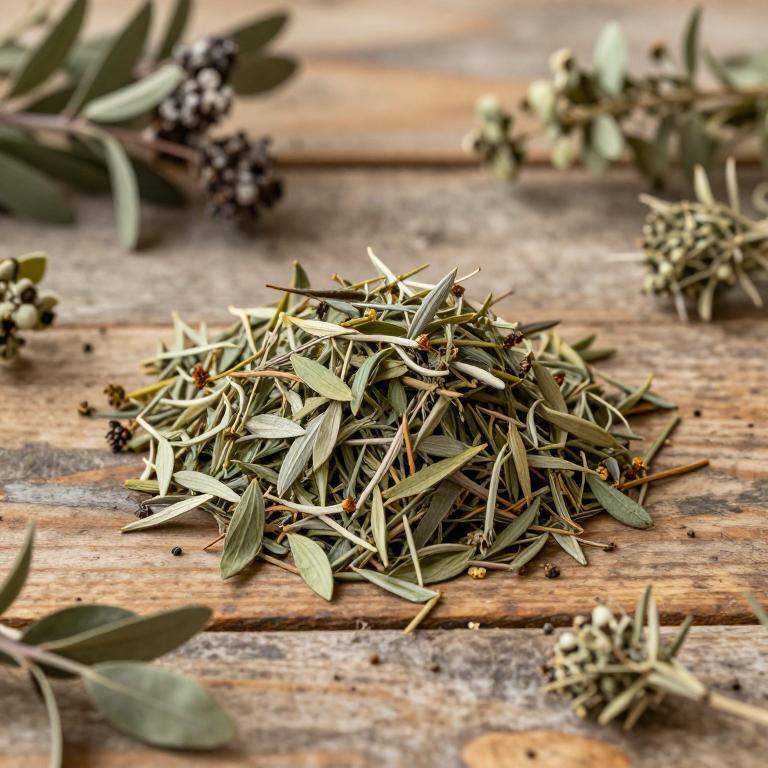
- Synonyms
- Not available
- Common names
- Not available
- Family
- Asteraceae
- Distribution
- Africa
- Plant Parts
- Not available
Classification
Taxonomy
Psiadia terebinthina is a distinctive member of the kingdom Plantae. Within this vast biological realm, it is classified under the class Equisetopsida. This plant belongs to the order Asterales, showcasing its evolutionary connections. It is further nested within the widely recognized family Asteraceae. Ultimately, its specific identity is defined by its placement in the genus Psiadia.
| Rank | Classification |
|---|---|
| Kingdom | Plantae |
| Phylum | Streptophyta |
| Class | Equisetopsida |
| Subclass | Magnoliidae |
| Order | Asterales |
| Family | Asteraceae |
| Genus | Psiadia |
Sources: The World Checklist of Vascular Plants (WCVP)
Distribution
Geographic Regions
Psiadia terebinthina is a notable plant species characterized by its specific geographic range across several regions. Its natural distribution extends across much of the African continent, showcasing its adaptability to diverse environments. Beyond mainland Africa, the species is also found throughout the Western Indian Ocean. This presence further reaches the island of Mauritius, where it plays a role in the local ecology. Understanding these distribution patterns provides valuable insight into the botanical landscape of these tropical areas.
Sources: The World Checklist of Vascular Plants (WCVP)
Identification
Biological Activities
Compounds
Conditions
Psiadia terebinthina essential oils demonstrate significant medicinal potential by effectively treating the pathogens Candida albicans, Escherichia coli, and Staphylococcus epidermidis through biofilm inhibition. The plant also serves as a therapeutic agent against extracellular melanin production in B16F10 mouse melanocytes. Additionally, its extracts show the ability to treat α-glucosidase by significantly inhibiting the enzyme. These diverse biological activities highlight the plant's versatility in addressing both microbial infections and physiological enzyme functions.
Preparations
Psiadia terebinthina is prepared as essential oils to be used for their medicinal properties. These extracted oils demonstrate significant potential in inhibiting biofilm formation against various microorganisms. Specifically, the essential oils from this plant show effectiveness against Staphylococcus epidermidis, Escherichia coli, and Candida albicans. Research indicates that the mechanism of this inhibition involves the quenching of efflux pumps. Furthermore, these preparations are characterized by their low cytotoxicity to human cell lines.