Pseudogynoxys chenopodioides
Pseudogynoxys chenopodioides · Accepted scientific name
Scientific literature: Very Sparse (0 studies) · ★☆☆☆☆
Pseudogynoxys chenopodioides is a versatile plant species known for its significant presence in traditional medicinal practices. Various parts of the plant, including the root, flower, leaf, and stem, are utilized to derive therapeutic properties. Scientific studies have identified key chemical constituents such as Adonifoline, Flavonoids, and Liguloxide within its biological structure. These compounds are often processed through aqueous extracts, ethanol extracts, or SSF to create medicinal preparations. Consequently, these extracts are frequently studied for their potential efficacy in managing conditions like rhinitis, including in formulations like the Qianbai biyan tablet.
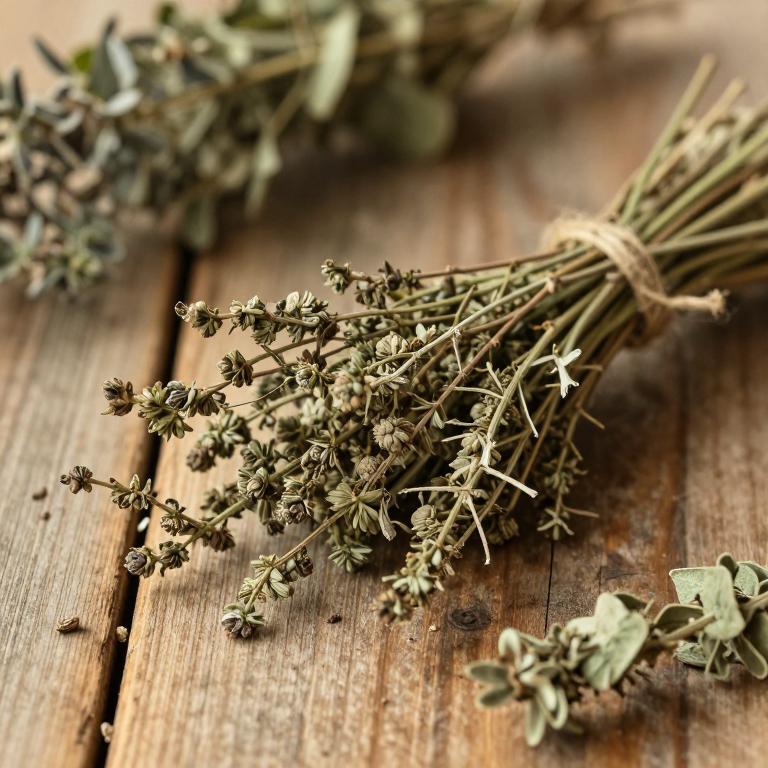
- Synonyms
- Gynoxys Berlandieri Var. Cordifolia · Senecio Oerstedtii · 6 more
- Common names
- Not available
- Family
- Asteraceae
- Distribution
- Not available
- Plant Parts
- Root · Flower
Classification
Common Names
Pseudogynoxys chenopodioides is a versatile climbing plant recognized by a diverse array of regional monikers. Commonly referred to as the Bandera espanola, it is also frequently identified by its vibrant, flower-focused names. In various parts of the world, you may encounter it known as the Margarita australiana or the Margarita hungara in the Dominican Republic. It is similarly called the Margarita mejicana depending on the local botanical context. Finally, many gardeners and enthusiasts simply know this striking species as the Mexican flame vine.
Sources: Catalogue of Life (COL)
Synonyms
Pseudogynoxys chenopodioides is a plant species characterized by a complex web of taxonomic synonyms that can often confuse researchers. It is recognized in botanical literature under the alternative name Cacalia scandens. Furthermore, this species is closely linked to Gynoxys berlandieri, a relationship that extends into several specific variations. These include the distinct varieties Gynoxys berlandieri var. cordifolia and Gynoxys berlandieri var. cuneata. Finally, the taxonomic history of the plant also encompasses the designation Gynoxys cordifolia var. neaei.
Sources: The World Checklist of Vascular Plants (WCVP)
Taxonomy
Pseudogynoxys chenopodioides is a distinct botanical specimen belonging to the kingdom Plantae. Within this vast realm, it is classified under the class Equisetopsida. It further falls into the order Asterales, showcasing its evolutionary connections. As a member of the family Asteraceae, it shares characteristics with many well-known flowering plants. Ultimately, this species is defined by its specific placement within the genus Pseudogynoxys.
| Rank | Classification |
|---|---|
| Kingdom | Plantae |
| Phylum | Streptophyta |
| Class | Equisetopsida |
| Subclass | Magnoliidae |
| Order | Asterales |
| Family | Asteraceae |
| Genus | Pseudogynoxys |
Sources: The World Checklist of Vascular Plants (WCVP)
Distribution
Geographic Regions
Pseudogynoxys chenopodioides is a resilient species with an expansive presence across North America. Its natural distribution is centered heavily within Mexico, where it thrives in diverse environments. The plant can be found throughout the central regions of the country, extending into the coastal areas of the Gulf. Furthermore, it populates the northeast, northwest, and southeast territories of the Mexican landscape. This wide-ranging geographic footprint highlights the plant's ability to adapt to various regional climates.
Sources: The World Checklist of Vascular Plants (WCVP)
Identification
Morphology
Pseudogynoxys chenopodioides is characterized by an herbaceous growth form that allows it to navigate its environment effectively. This plant relies on an obligatory climbing habit, meaning it must ascend structures to thrive and reach sunlight.
Sources: Global Inventory of Floras and Traits (GIFT)
Biological Activities
Compounds
Pseudogynoxys chenopodioides contains a variety of bioactive chemical constituents that define its complex profile. Among these identified substances, the plant is known to contain adonifoline, a specific pyrrolizidine alkaloid. It also contains several other pyrrolizidine alkaloids (PAs) which are significant to its chemical characterization. Furthermore, the plant is rich in sterols, specifically containing beta-sitosterol and daucosterol. Finally, the presence of flavonoid compounds further contributes to the diverse phytochemical makeup of Pseudogynoxys chenopodioides.
Conditions
Pseudogynoxys chenopodioides treats CTX-induced immunosuppression and mitigates CTX-induced weight loss. This plant also treats the atrophy of the thymus and spleen. Furthermore, Pseudogynoxys chenopodioides treats hepatotoxicity and is used to treat being infected by Meloidogyne species.
Preparations
Pseudogynoxys chenopodioides is prepared as the Qianbai biyan tablet, a compound prescription used in traditional Chinese medicine for treating respiratory issues. This plant is also utilized to produce SSF, a flavonoid extract that demonstrates immunomodulatory and intestinal protective effects. Various forms of the plant are studied through its aqueous extracts, which show significant antioxidant and free radical scavenging activities. Furthermore, the ethanol extract of the plant is used in bioassay-guided fractionation to isolate specific glycosides. Ultimately, different extracts of the species are recognized for possessing a wide spectrum of pharmacological activities.
Parts used
Pseudogynoxys chenopodioides is a plant species characterized by several distinct morphological components. It possesses a root system that serves as a vital foundation for its growth and nutrient uptake. The plant also features flowers that play a crucial role in its reproductive cycle. Additionally, the presence of leaves allows for efficient photosynthesis to support its biological functions. Finally, the stem provides the necessary structural support for the various parts of the organism.