Pseudognaphalium oxyphyllum
Pseudognaphalium oxyphyllum · Accepted scientific name
Scientific literature: Very Sparse (0 studies) · ★☆☆☆☆
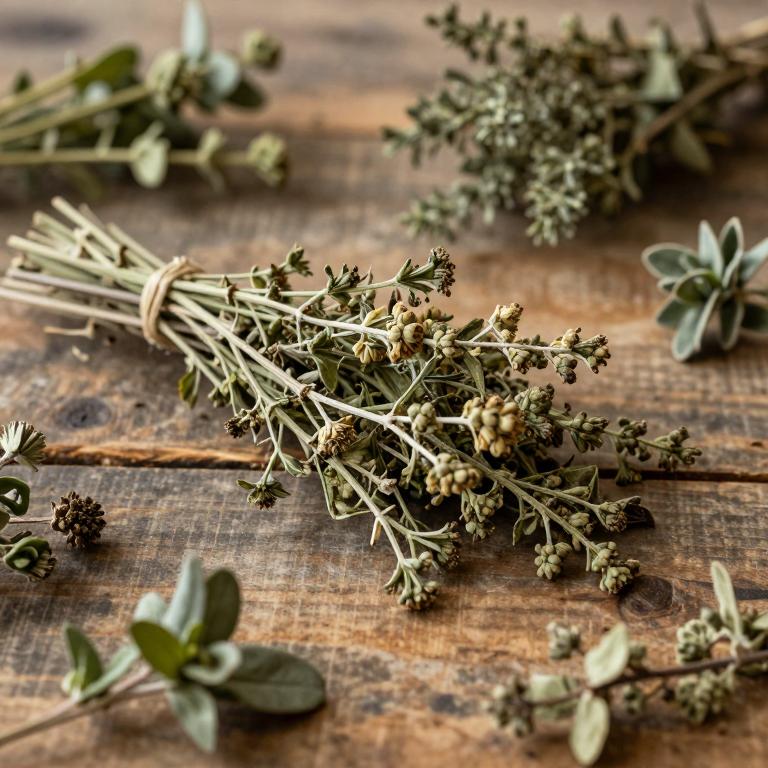
Pseudognaphalium oxyphyllum is a versatile medicinal plant recognized for its significant therapeutic potential in traditional healing practices. It is frequently utilized in various natural remedies to address a wide range of respiratory infections. Researchers and practitioners often focus on the application of crude extracts to harness the plant's complex chemical profile. These raw preparations are believed to contain potent bioactive compounds that support pulmonary health. Understanding the efficacy of these extracts offers promising insights into managing respiratory ailments naturally.
- Synonyms
- Gnaphalium Oxyphyllum · Gnaphalium Poeppigianum
- Common names
- Not available
- Family
- Asteraceae
- Distribution
- Not available
- Plant Parts
- Not available
Classification
Common Names
Pseudognaphalium oxyphyllum is a distinctive plant species widely recognized by its common name, Gordolobo. This name reflects its deep-rooted significance within various cultural and traditional landscapes. As a member of its genus, the plant possesses unique characteristics that set it apart from other similar flora. Understanding its identity through this common moniker helps enthusiasts connect more easily with its botanical history. Consequently, knowing both its scientific and popular names is essential for anyone studying its role in the natural world.
Sources: Catalogue of Life (COL)
Synonyms
Pseudognaphalium oxyphyllum is a botanical species that is frequently identified through various taxonomic synonyms. In many scientific records, it is recognized interchangeably as Gnaphalium oxyphyllum. Furthermore, the plant is also associated with the synonym Gnaphalium poeppigianum in certain literature. These overlapping names reflect the complex history of botanical classification and naming conventions. Understanding these relationships is essential for researchers seeking to maintain accuracy when documenting this specific plant.
Sources: The World Checklist of Vascular Plants (WCVP)
Taxonomy
Pseudognaphalium oxyphyllum is a distinctive species that belongs to the vast kingdom Plantae. Within this botanical realm, it is classified under the class Equisetopsida. The plant is further organized into the order Asterales, showcasing its evolutionary connections. It specifically resides within the genus Pseudognaphalium, which helps botanists identify its unique characteristics. Finally, its placement in the family Asteraceae links it to a diverse group of flowering plants known for their complex structures.
| Rank | Classification |
|---|---|
| Kingdom | Plantae |
| Phylum | Streptophyta |
| Class | Equisetopsida |
| Subclass | Magnoliidae |
| Order | Asterales |
| Family | Asteraceae |
| Genus | Pseudognaphalium |
Sources: The World Checklist of Vascular Plants (WCVP)
Distribution
Geographic Regions
Pseudognaphalium oxyphyllum maintains an extensive presence across various regions of Northern America and Mexico. Its distribution is notably widespread, reaching into the central parts of Mexico. The species also flourishes throughout the Gulf regions and the northeast territories of the country. Furthermore, it can be found spanning the northwest and southeast landscapes. This broad geographic range highlights the plant's adaptability to diverse Mexican environments.
Sources: The World Checklist of Vascular Plants (WCVP)
Identification
Morphology
Pseudognaphalium oxyphyllum is characterized by its distinct herb growth form. As a self-supporting species, it maintains its own structure without the need for external assistance.
Sources: Global Inventory of Floras and Traits (GIFT)
Biological Activities
Compounds
Conditions
Pseudognaphalium oxyphyllum serves as a significant component in Mexican traditional medicine for addressing respiratory infections. Research indicates that extracts from this specific plant possess strong antimicrobial activity against various harmful pathogens. These studies tested the plant's effectiveness against microorganisms such as Staphylococcus aureus and Streptococcus pneumoniae. By inhibiting the growth of these microbes, the plant demonstrates a clear potential for treating respiratory diseases. Consequently, its medicinal properties support its traditional use in managing infectious respiratory conditions.
Preparations
Pseudognaphalium oxyphyllum is prepared as crude extracts to evaluate its potential antimicrobial properties. These extracts, which include hexanic, chloroformic, and methanolic varieties, were tested against several common pathogens. The study specifically focused on how these preparations interact with microorganisms like Staphylococcus aureus and Escherichia coli. Results indicated that the extracts derived from this plant possess strong antimicrobial activity. This preparation method allowed researchers to determine the minimal inhibitory concentration necessary to combat respiratory infections.