Psacalium radulifolium
Psacalium radulifolium · Accepted scientific name
Scientific literature: Very Sparse (10 studies) · ★☆☆☆☆
Psacalium radulifolium, scientifically known as Psacalium radulifolium, is a remarkable medicinal plant valued in traditional healing practices. Renowned for its unique bioactive compounds, this species offers significant therapeutic potential. Understanding its botanical properties and ethnobotanical applications is essential for exploring its role in modern pharmacological advancements and natural wellness.
- Family
- Asteraceae
- Native range
- Northern America
- Parts used
- Root
- Common names
- Not available
- Scientific synonyms
- Cacalia Schaffneri · Odontotrichum Radulifolium · 3 more
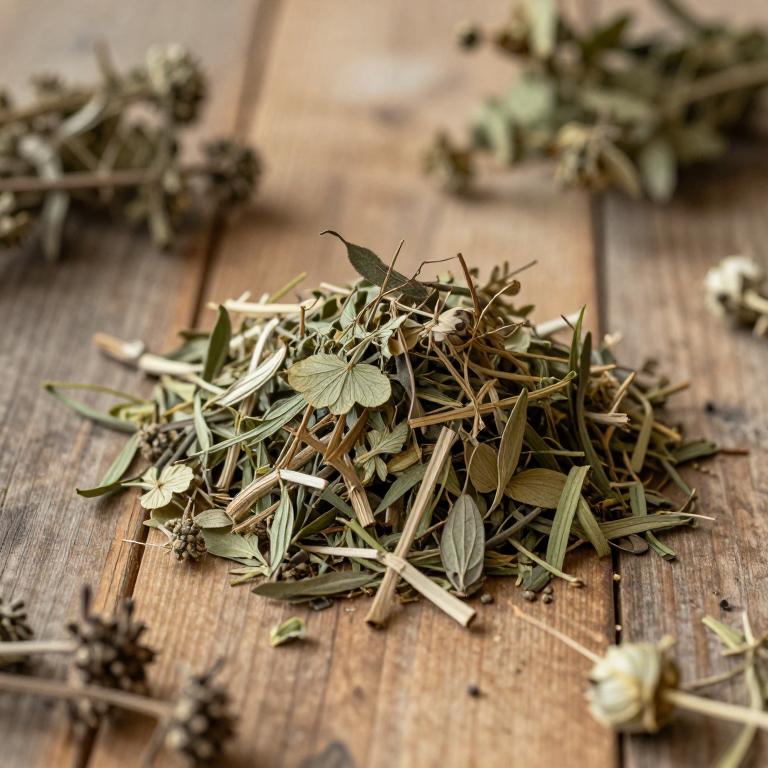
Names and Synonyms
Scientific Names
Accepted name
Psacalium radulifoliumSynonyms
- Cacalia schaffneri
- Odontotrichum radulifolium
- Odontotrichum schaffneri
- Senecio radulifolius
- Cacalia radulifolia
Sources: Wikidata
Taxonomical Classification
This plant belongs to the kingdom Plantae and the phylum Streptophyta, situated within the class Equisetopsida and subclass Magnoliidae. It is classified under the order Asterales and is a member of the Asteraceae family. Specifically, it is identified by the genus Psacalium and the species name radulifolium.
| Rank | Classification |
|---|---|
| Kingdom | Plantae |
| Phylum | Streptophyta |
| Class | Equisetopsida |
| Subclass | Magnoliidae |
| Order | Asterales |
| Family | Asteraceae |
| Genus | Psacalium |
Sources: The World Checklist of Vascular Plants (WCVP)
Distribution
This plant exhibits a wide-ranging presence across several distinct regions of Mexico. Specifically, its habitat extends throughout the Northeast portion of the country. It is also found growing within the Northwest territories of Mexico. Furthermore, the species can be located across the Southwest regions as well. This distribution patterns show that the plant occupies diverse ecological zones across the nation.
| Region | Area |
|---|---|
| Mexico | Mexico Northeast |
| Mexico | Mexico Northwest |
| Mexico | Mexico Southwest |
Sources: The World Checklist of Vascular Plants (WCVP)
Plant Parts
Psacalium radulifolium has 1 reported plant parts identified across 1 scientific publications and several other databases that are studied for medicinal purposes. The most consistently reported plant part include root.
| Plant part | Supporting sources | Consensus |
|---|---|---|
| Root | 1 supporting sources | ★☆☆☆☆ |
Root
- Journal of natural products
Chemicals
Psacalium radulifolium has 9 reported phytochemicals identified across 1 scientific publications and several other databases. The most consistently reported chemicals include Cacalol, Cacalone, Decompostin, Radulifolin A, adenostin A.
| Chemical | Supporting sources | Consensus |
|---|---|---|
| Cacalol | 1 supporting sources | ★☆☆☆☆ |
| Cacalone | 1 supporting sources | ★☆☆☆☆ |
| Decompostin | 1 supporting sources | ★☆☆☆☆ |
| Radulifolin A | 1 supporting sources | ★☆☆☆☆ |
| adenostin A | 1 supporting sources | ★☆☆☆☆ |
| epi-Radulifolin A | 1 supporting sources | ★☆☆☆☆ |
| neoadenostylone | 1 supporting sources | ★☆☆☆☆ |
| radulifolin B | 1 supporting sources | ★☆☆☆☆ |
| radulifolin C | 1 supporting sources | ★☆☆☆☆ |
Cacalol
- Journal of natural products
Cacalone
- Journal of natural products
Decompostin
- Journal of natural products
Radulifolin A
- Journal of natural products
adenostin A
- Journal of natural products
epi-Radulifolin A
- Journal of natural products
neoadenostylone
- Journal of natural products
radulifolin B
- Journal of natural products
radulifolin C
- Journal of natural products
Preparations
Psacalium radulifolium has 1 reported preparations identified across 1 scientific publications and several other databases. The most consistently reported preparations include roots.
| Preparation | Supporting sources | Consensus |
|---|---|---|
| Roots | 1 supporting sources | ★☆☆☆☆ |
Roots
- Journal of natural products