the Cherries
Prunus · Accepted scientific name
Scientific literature: Very Sparse (19 studies) · ★☆☆☆☆
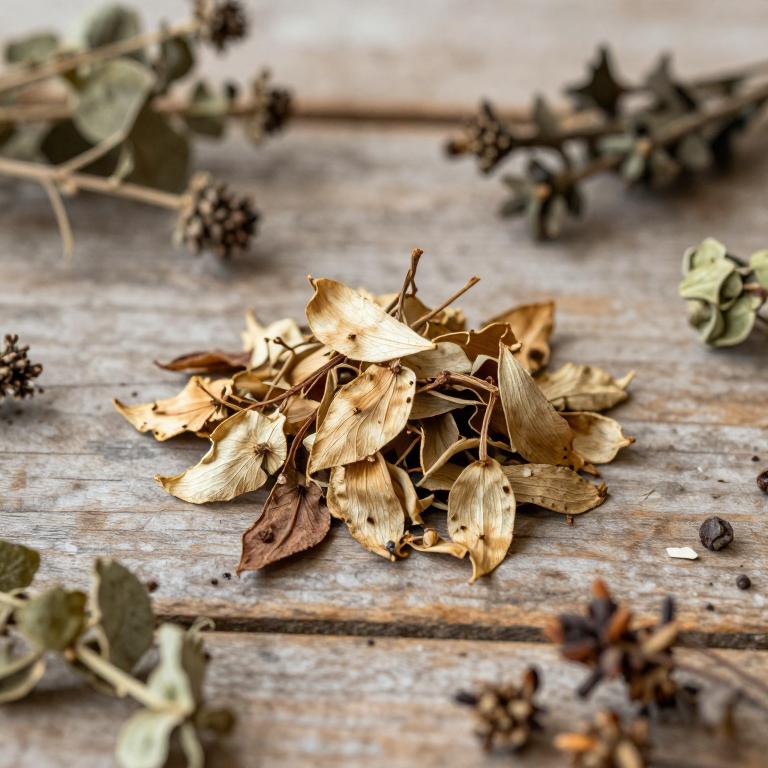
The Cherries, scientifically known as Prunus, is a diverse genus of flowering plants celebrated for both their delicious fruits and medicinal potential. Renowned for high antioxidant levels, these plants offer therapeutic benefits, including anti-inflammatory and sleep-enhancing properties, making them a valuable natural resource in traditional and modern wellness.
Names and Synonyms
Common Names
- cherry
- plum
- Flowering Cherry
- Planted Cherry
- cherry trees
Scientific Names
Accepted name
PrunusSynonyms
- Louiseania
- Tubopadus
- Pygeum
- Orospodias
- Prunoaflatunia
- Prunopsis
- Padus
- Padellus
- Polydontia
- Polystorthia
- Hagidryas
- Maddenia
- Germaria
- Mahaleb
- Emplectocladus
- Digaster
- + Amygdalopersica
- × Ceropadus
- Amygdalopsis
- × Armenoprunus
- Armeniaca
- × Cerasolouiseania
- Aflatunia
- Chimanthus
- Turetta
- Jadelotia
- × Cerapadus
- Ceraseidos
- Cerasus
- × Prunoamygdalus
- Chamaeamygdalus
- Dodecadia
- Microcerasus
- Lauro-cerasus
Regional and Traditional Names
Spanish:
- Lauro-Cerasus
- Cerapadus
- Emplectocladus
- Amygdalopersica
- Lauro Cerasus
- Amygdalopsis
- Amygdalophora
- Laurocerasus
- Ceraseidos
German:
- Steinobstgewächse
- Amygdaloideae
- Prunoideae
- Kirsche
Sources: Wikidata, Catalogue of Life
Taxonomical Classification
This plant belongs to the kingdom Plantae and the phylum Streptophyta, falling under the class Equisetopsida and subclass Magnoliidae. Within the order Rosales and the family Rosaceae, it is classified under the genus Prunus.
| Rank | Classification |
|---|---|
| Kingdom | Plantae |
| Phylum | Streptophyta |
| Class | Equisetopsida |
| Subclass | Magnoliidae |
| Order | Rosales |
| Family | Rosaceae |
| Genus | Prunus |
Sources: The World Checklist of Vascular Plants (WCVP)
Distribution
This plant, known as Prunus, exhibits a specific distribution throughout the regions of Northern Europe. In the western reaches of the continent, it can be found growing in Great Britain and Ireland. Moving toward the Scandinavian Peninsula, the species is established in Norway. It also maintains a presence in the island nation of Denmark. Finally, its geographical range extends further east into the territory of Finland.
| Region | Area |
|---|---|
| Northern Europe | Denmark |
| Northern Europe | Finland |
| Northern Europe | Great Britain |
| Northern Europe | Ireland |
| Northern Europe | Norway |
| Northern Europe | Sweden |
| Middle Europe | Austria |
| Middle Europe | Belgium |
| Middle Europe | Czechia-Slovakia |
| Middle Europe | Germany |
Sources: The World Checklist of Vascular Plants (WCVP)
Plant Parts
Prunus has 2 reported plant parts identified across 2 scientific publications and several other databases that are studied for medicinal purposes. The most consistently reported plant part include flower, seed.
| Plant part | Supporting sources | Consensus |
|---|---|---|
| Flower | 1 supporting sources | ★☆☆☆☆ |
| Seed | 1 supporting sources | ★☆☆☆☆ |
Flower
- Journal of proteome research
Seed
- Plants (Basel, Switzerland)
Chemicals
Prunus has 2 reported phytochemicals identified across 2 scientific publications and several other databases. The most consistently reported chemicals include Phenols, Total cyanide.
| Chemical | Supporting sources | Consensus |
|---|---|---|
| Phenols | 1 supporting sources | ★☆☆☆☆ |
| Total cyanide | 1 supporting sources | ★☆☆☆☆ |
Phenols
- Journal of traditional Chinese medicine = Chung i tsa chih ying wen pan
Total cyanide
- Toxicological research
Activities
Prunus has 5 reported activities identified across 2 scientific publications and several other databases. The most consistently reported activities include Anticancer, Antidiabetic, Antihypertensive, Antioxidant, Hypoglycemic.
| Activity | Supporting sources | Consensus |
|---|---|---|
| Anticancer | 1 supporting sources | ★☆☆☆☆ |
| Antidiabetic | 1 supporting sources | ★☆☆☆☆ |
| Antihypertensive | 1 supporting sources | ★☆☆☆☆ |
| Antioxidant | 1 supporting sources | ★☆☆☆☆ |
| Hypoglycemic | 1 supporting sources | ★☆☆☆☆ |
Anticancer
- Journal of traditional Chinese medicine = Chung i tsa chih ying wen pan
Antidiabetic
- Plants (Basel, Switzerland)
Antihypertensive
- Plants (Basel, Switzerland)
Antioxidant
- Plants (Basel, Switzerland)
Hypoglycemic
- Journal of traditional Chinese medicine = Chung i tsa chih ying wen pan
Conditions
Prunus has 4 reported investigations on conditions identified across 2 scientific publications and several other databases. The most consistently reported conditions include COVID-19, hypertension, obesity, oxidative stress.
| Condition | Supporting sources | Consensus |
|---|---|---|
| Covid-19 | 1 supporting sources | ★☆☆☆☆ |
| Hypertension | 1 supporting sources | ★☆☆☆☆ |
| Obesity | 1 supporting sources | ★☆☆☆☆ |
| Oxidative stress | 1 supporting sources | ★☆☆☆☆ |
Covid-19
- Current drug metabolism
Hypertension
- Plants (Basel, Switzerland)
Obesity
- Plants (Basel, Switzerland)
Oxidative stress
- Plants (Basel, Switzerland)
Preparations
Prunus has 2 reported preparations identified across 2 scientific publications and several other databases. The most consistently reported preparations include bark, hot Prunus extracts.
| Preparation | Supporting sources | Consensus |
|---|---|---|
| Bark | 1 supporting sources | ★☆☆☆☆ |
| Hot prunus extracts | 1 supporting sources | ★☆☆☆☆ |
Bark
- Journal of ethnopharmacology
Hot prunus extracts
- International journal of medicinal mushrooms