Prunus serotina var. salicifolia
Prunus serotina var. salicifolia · Accepted scientific name
Scientific literature: Very Extensive (218 studies) · ★★★★★
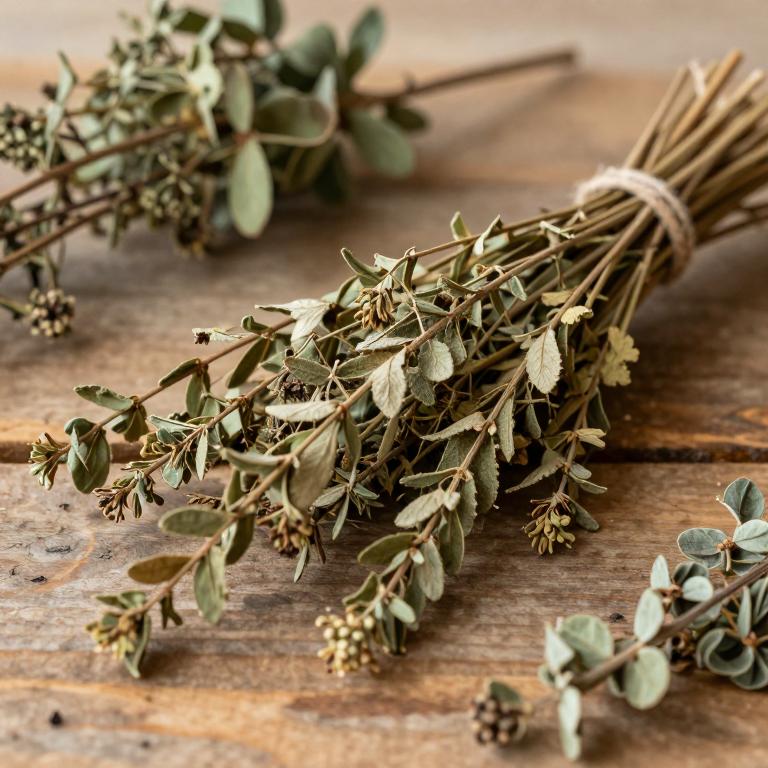
, scientifically known as Prunus serotina var. salicifolia, is a unique botanical variety valued for its distinctive medicinal properties. Often recognized by its willow-like foliage, this plant contains bioactive compounds traditionally used in holistic wellness. Exploring its chemical profile reveals significant potential for therapeutic applications in modern herbal medicine.
- Family
- Not available
- Native range
- Africa
- Parts used
- Not available
- Common names
- Not available
- Scientific synonyms
- Not available
Names and Synonyms
Scientific Names
Accepted name
Prunus serotina var. salicifoliaSources: Wikidata
Distribution
This plant exhibits a broad geographical distribution spanning across two distinct global regions. In West-Central Tropical Africa, its presence is specifically documented within the nations of Burundi and Rwanda. Moving to North America, the species is widely established throughout various parts of Mexico. Specifically, it can be found throughout Mexico Central as well as across the Mexico Southwest region. Furthermore, its range extends into the Mexico Southeast area, completing its diverse ecological footprint.
| Region | Area |
|---|---|
| West-Central Tropical Africa | Burundi |
| West-Central Tropical Africa | Rwanda |
| Mexico | Mexico Central |
| Mexico | Mexico Southwest |
| Mexico | Mexico Southeast |
| Central America | El Salvador |
| Central America | Guatemala |
| Central America | Honduras |
| Central America | Panamá |
| Western South America | Bolivia |
Sources: The World Checklist of Vascular Plants (WCVP)
Chemicals
Prunus serotina var. salicifolia has 11 reported phytochemicals identified across 0 scientific publications and several other databases. The most consistently reported chemicals include Ash, CALCIUM, FAT, IRON, PHOSPHORUS.
| Chemical | Supporting sources | Consensus |
|---|---|---|
| Ash | 1 supporting sources | ★☆☆☆☆ |
| CALCIUM | 1 supporting sources | ★☆☆☆☆ |
| FAT | 1 supporting sources | ★☆☆☆☆ |
| IRON | 1 supporting sources | ★☆☆☆☆ |
| PHOSPHORUS | 1 supporting sources | ★☆☆☆☆ |
| ascorbic acid | 1 supporting sources | ★☆☆☆☆ |
| beta-carotene | 1 supporting sources | ★☆☆☆☆ |
| niacin | 1 supporting sources | ★☆☆☆☆ |
| riboflavin | 1 supporting sources | ★☆☆☆☆ |
| thiamin | 1 supporting sources | ★☆☆☆☆ |
Ash
- Dr. Duke
CALCIUM
- Dr. Duke
FAT
- Dr. Duke
IRON
- Dr. Duke
PHOSPHORUS
- Dr. Duke
ascorbic acid
- Dr. Duke
beta-carotene
- Dr. Duke
niacin
- Dr. Duke
riboflavin
- Dr. Duke
thiamin
- Dr. Duke
Activities
Prunus serotina var. salicifolia has 207 reported activities identified across 0 scientific publications and several other databases. The most consistently reported activities include Acidulant, Aldose-Reductase-Inhibitor, Allergenic, Analgesic, Androgenic?.
| Activity | Supporting sources | Consensus |
|---|---|---|
| Acidulant | 1 supporting sources | ★☆☆☆☆ |
| Aldose-Reductase-Inhibitor | 1 supporting sources | ★☆☆☆☆ |
| Allergenic | 1 supporting sources | ★☆☆☆☆ |
| Analgesic | 1 supporting sources | ★☆☆☆☆ |
| Androgenic? | 1 supporting sources | ★☆☆☆☆ |
| Angiotensin-Receptor-Blocker | 1 supporting sources | ★☆☆☆☆ |
| AntiAGE | 1 supporting sources | ★☆☆☆☆ |
| AntiCFS | 1 supporting sources | ★☆☆☆☆ |
| AntiCTS | 1 supporting sources | ★☆☆☆☆ |
| AntiCrohn's | 1 supporting sources | ★☆☆☆☆ |
Acidulant
- Dr. Duke
Aldose-Reductase-Inhibitor
- Dr. Duke
Allergenic
- Dr. Duke
Analgesic
- Dr. Duke
Androgenic?
- Dr. Duke
Angiotensin-Receptor-Blocker
- Dr. Duke
AntiAGE
- Dr. Duke
AntiCFS
- Dr. Duke
AntiCTS
- Dr. Duke
AntiCrohn's
- Dr. Duke