Azores laurel cherry
Prunus lusitanica subsp. azorica · Accepted scientific name
Scientific literature: Very Sparse (1 studies) · ★☆☆☆☆
Azores laurel cherry, scientifically known as Pruunus lusitaniica subsp. azorica, is a distinctive endemic shrub found throughout the Macaronesian islands. Renowned for its lush evergreen foliage, this resilient plant holds significant ecological value and traditional medicinal importance, offering unique phytochemical properties highly valued in regional botanical studies and herbalism.
- Family
- Rosaceae
- Native range
- Africa
- Parts used
- Not available
- Common names
- Azores Laurel Cherry
- Scientific synonyms
- Prunus Lusitanica Var. Azorica · Prunus Azorica
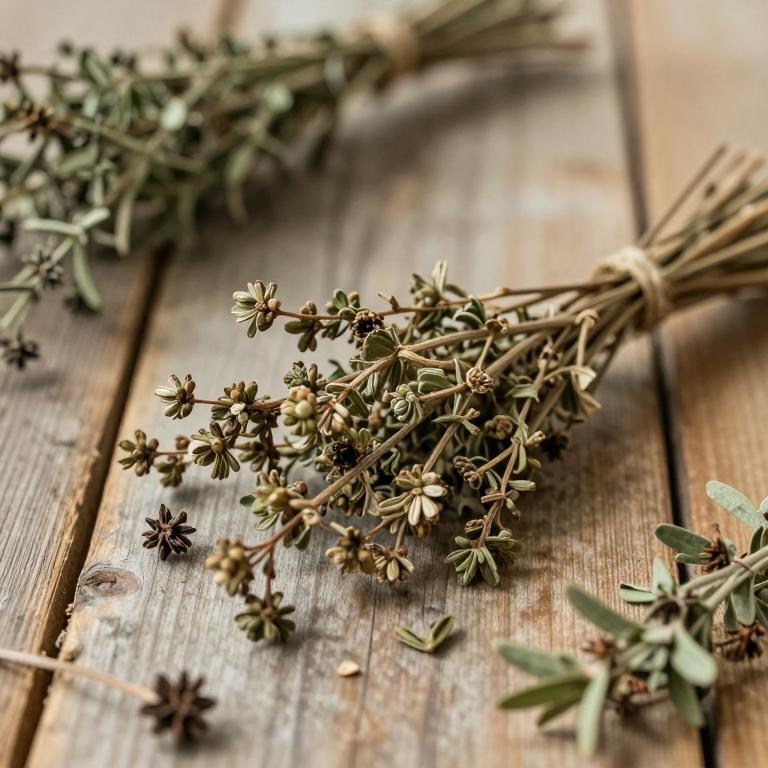
Names and Synonyms
Common Names
- Azores laurel cherry
Scientific Names
Accepted name
Prunus lusitanica subsp. azoricaSynonyms
- Prunus lusitanica var. azorica
- Prunus azorica
Regional and Traditional Names
Spanish:
- Prunus lusitanica azorica
French:
- Prunus lusitanica azorica
Sources: Wikidata
Taxonomical Classification
This plant belongs to the kingdom Plantae within the phylum Streptophyta and the class Equisetopsida. Under the subclass Magnoliidae, it is classified in the order Rosales and the family Rosaceae. Finally, it is situated within the genus Prunus as the subspecies Prunus lusitanica subsp. azorica.
| Rank | Classification |
|---|---|
| Kingdom | Plantae |
| Phylum | Streptophyta |
| Class | Equisetopsida |
| Subclass | Magnoliidae |
| Order | Rosales |
| Family | Rosaceae |
| Genus | Prunus |
Sources: The World Checklist of Vascular Plants (WCVP)
Distribution
This plant is characterized by a highly restricted geographical range within the Atlantic islands. Specifically, its natural distribution is confined to the Macaronesian region. Within this territory, the subspecies is found exclusively on the Azores archipelago. This localized presence indicates that it is an endemic species to these specific volcanic islands. Consequently, its entire population is concentrated within this unique oceanic environment.
| Region | Area |
|---|---|
| Macaronesia | Azores |
Sources: The World Checklist of Vascular Plants (WCVP)
Chemicals
Prunus lusitanica subsp. azorica has 1 reported phytochemicals identified across 0 scientific publications and several other databases. The most consistently reported chemicals include Flavonoids.
| Chemical | Supporting sources | Consensus |
|---|---|---|
| Flavonoids | 1 supporting sources | ★☆☆☆☆ |
Flavonoids
- Molecules (Basel, Switzerland)