Prunus jamasakura var. jamasakura
Prunus jamasakura var. jamasakura · Accepted scientific name
Scientific literature: Very Sparse (0 studies) · ★☆☆☆☆
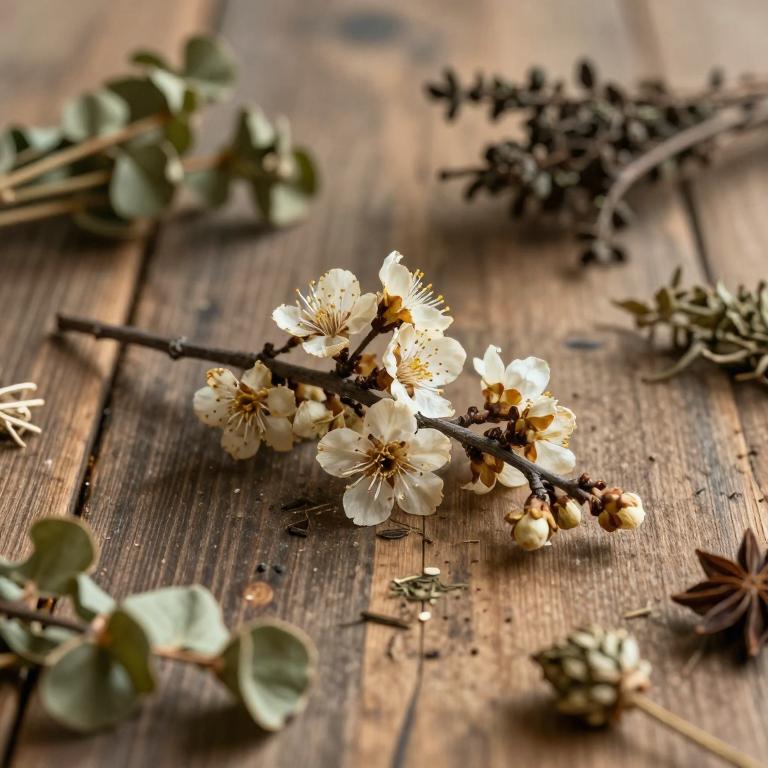
Prunus jamasakura var. jamasakura, commonly known as the Japanese cherry tree, holds significant value in traditional botanical studies. Recent research has focused on the potential therapeutic benefits of this species, particularly regarding bone health. Specifically, certain bark extracts derived from the plant are being investigated for their impact on conditions such as osteoporosis. These preparations contain unique bioactive compounds that may assist in maintaining bone density. Understanding the medicinal properties of this variety offers promising new avenues for supporting skeletal integrity.
- Synonyms
- Prunus Jamasakura F. Crepuscularis · Prunus Jamasakura F. Ascendens · 251 more
- Common names
- Not available
- Family
- Rosaceae
- Distribution
- Not available
- Plant Parts
- Not available
Classification
Synonyms
Prunus jamasakura var. jamasakura is a botanically complex specimen that is recognized by several different scientific synonyms. Within various taxonomic records, it is frequently identified under the name Cerasus floridula. The plant also encompasses specific forms such as Cerasus jamasakura f. pendula and Cerasus jamasakura f. purpureorubra. Furthermore, researchers may encounter this variety listed as Cerasus kanzakura in older literature. Finally, the name Cerasus superflua serves as another synonymous designation for this multifaceted cherry variety.
Sources: The World Checklist of Vascular Plants (WCVP)
Taxonomy
Prunus jamasakura var. jamasakura is a distinctive botanical specimen belonging to the kingdom Plantae. Within this vast realm, the plant is classified under the class Equisetopsida. It further descends through the order Rosales, showcasing its evolutionary lineage. As a member of the family Rosaceae, it shares common characteristics with many well-known flowering plants. Ultimately, this variety is defined by its placement within the genus Prunus.
| Rank | Classification |
|---|---|
| Kingdom | Plantae |
| Phylum | Streptophyta |
| Class | Equisetopsida |
| Subclass | Magnoliidae |
| Order | Rosales |
| Family | Rosaceae |
| Genus | Prunus |
Sources: The World Checklist of Vascular Plants (WCVP)
Distribution
Geographic Regions
Prunus jamasakura var. jamasakura is a distinctive botanical variety with a specific geographic footprint. Its natural distribution is primarily concentrated within the Asia-Temperate region. More specifically, this plant thrives across various parts of Eastern Asia. Within this vast territory, it is most notably found flourishing throughout the landscape of Japan. Understanding these regional connections is essential for studying its ecological role.
Sources: The World Checklist of Vascular Plants (WCVP)
Identification
Biological Activities
Compounds
Conditions
Prunus jamasakura var. jamasakura demonstrates significant potential in treating osteoporosis through its medicinal bark extracts. The plant effectively treats TRAP activity by significantly inhibiting osteoclast activity across various concentrations. Furthermore, it serves as an agent to treat lipopolysaccharide (LPS)-induced NO production in murine macrophage-like cells. These inhibitory effects on TRAP and NO production provide a biological basis for its therapeutic use. Such properties support the development of the plant as a natural candidate for future antiosteoporosis drug research.
Preparations
Prunus jamasakura var. jamasakura is prepared as bark extracts to investigate its potential medicinal properties. Researchers utilized both ethanolic and methanolic versions of these specific extracts during their study. These preparations were tested for their in vitro antiosteoporosis activity using mouse bone marrow macrophage cells. Additionally, the extracts were applied to zebrafish larvae to assess potential hepatotoxicity. The results suggest that these bark-derived substances could serve as a foundation for developing future antiosteoporosis drugs.