Prunella
Prunella · Accepted scientific name
Scientific literature: Very Sparse (1 studies) · ★☆☆☆☆
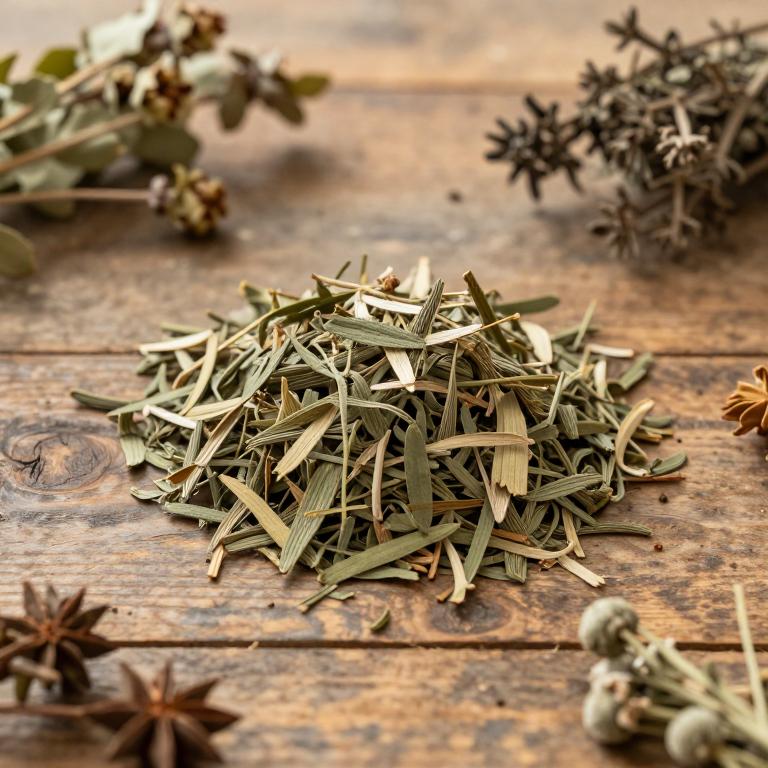
Prunella is a versatile medicinal plant widely recognized for its diverse therapeutic properties. Scientific investigations have highlighted its significant antiviral activities against various pathogens. A key component responsible for these biological effects is the chemical compound rosmarinic acid. Researchers often evaluate its potency using different preparations, specifically 20% ethanolic extracts and 80% ethanolic extracts. Understanding these specific formulations is essential for maximizing the plant's potential in pharmaceutical applications.
- Synonyms
- Prunellopsis
- Common names
- Not available
- Family
- Lamiaceae
- Distribution
- Not available
- Plant Parts
- Not available
Classification
Common Names
Prunella is a genus of birds that is recognized by several different common names depending on the region. It is frequently referred to as the Accentor, though you may also encounter the plural form, Accentors, in many ornithological texts. Depending on the specific linguistic context, it is also known as the Accenteur or Accenteurs. In certain local dialects, this bird is affectionately called the Boğazotu. Understanding these various names is essential for anyone studying the diverse nomenclature of the species.
Sources: Catalogue of Life (COL)
Synonyms
Prunella is a diverse genus of flowering plants that is often discussed within various botanical classifications. In many taxonomic studies, you may encounter the name Prunellopsis used as a formal synonym for this group. This nomenclatural overlap can sometimes cause confusion for researchers navigating historical botanical records. Understanding that these names refer to the same lineage is essential for accurate identification and study. Recognizing these synonymous relationships ensures a more cohesive approach to plant taxonomy.
Sources: The World Checklist of Vascular Plants (WCVP)
Taxonomy
Prunella belongs to the vast kingdom Plantae, representing a diverse group of living organisms. Within this kingdom, the plant is classified under the class Equisetopsida. It specifically falls into the order Lamiales, which helps scientists understand its evolutionary lineage. Furthermore, Prunella is a member of the Lamiaceae family, a group known for many aromatic herbs. Ultimately, this plant is identified by its specific genus, Prunella.
| Rank | Classification |
|---|---|
| Kingdom | Plantae |
| Phylum | Streptophyta |
| Class | Equisetopsida |
| Subclass | Magnoliidae |
| Order | Lamiales |
| Family | Lamiaceae |
| Genus | Prunella |
Sources: The World Checklist of Vascular Plants (WCVP)
Distribution
Geographic Regions
Prunella exhibits a widespread distribution that spans across much of Africa and the Macaronesia region. Its presence is particularly notable throughout the various archipelagos, including the Azores, the Canary Islands, and Cape Verde. The genus also finds a home in Madeira, further establishing its foothold in these Atlantic territories. In mainland areas, its range extends into Northern Africa, with specific populations documented in Algeria. This diverse geographical spread highlights the plant's ability to thrive across varied island and continental environments.
Sources: The World Checklist of Vascular Plants (WCVP)
Identification
Biological Activities
Prunella has demonstrated significant antiviral activity against herpes simplex virus (HSV) strains in recent laboratory studies. Researchers found that ethanolic extracts from this Lamiaceae species can effectively inhibit both acyclovir-sensitive and acyclovir-resistant strains of the virus. The plant appears to utilize a dual mode of action by targeting free virions and simultaneously blocking the virus from attaching to host cells. Because these extracts reduce plaque formation drastically without causing cytotoxicity, they represent a potent natural alternative to traditional treatments. Consequently, prunella shows great promise as a topical therapeutic agent for managing conditions like recurrent herpes labialis.
Compounds
Prunella is a notable member of the Lamiaceae family that serves as a significant subject in antiviral research. Phytochemical characterization of its ethanolic extracts reveals that the plant contains rosmarinic acid, a typical compound found within this botanical group. Alongside this acid, various other phenolic compounds such as apigenin- and luteolin-derivatives were also identified. These chemical components contribute to the plant's ability to exhibit high, concentration-dependent levels of antiviral activity against herpes simplex virus strains. Consequently, the presence of these bioactive substances makes prunella a promising candidate for topical therapeutic applications.
Conditions
Preparations
Prunella is prepared as 20% ethanolic extracts for phytochemical characterization and testing against herpes simplex virus. These 20% ethanolic extracts are part of a study evaluating the inhibitory activity of Lamiaceae plants. Additionally, Prunella is prepared as 80% ethanolic extracts to examine their concentration-dependent antiviral effects. The 80% ethanolic extracts of Prunella demonstrate a dual mode of action by reducing plaque formation and blocking virus attachment. Both the 20% and 80% ethanolic preparations of Prunella serve as significant subjects in researching novel antiviral agents.