Prunella vulgaris subsp. asiatica
Prunella vulgaris subsp. asiatica · Accepted scientific name
Scientific literature: Very Sparse (8 studies) · ★☆☆☆☆
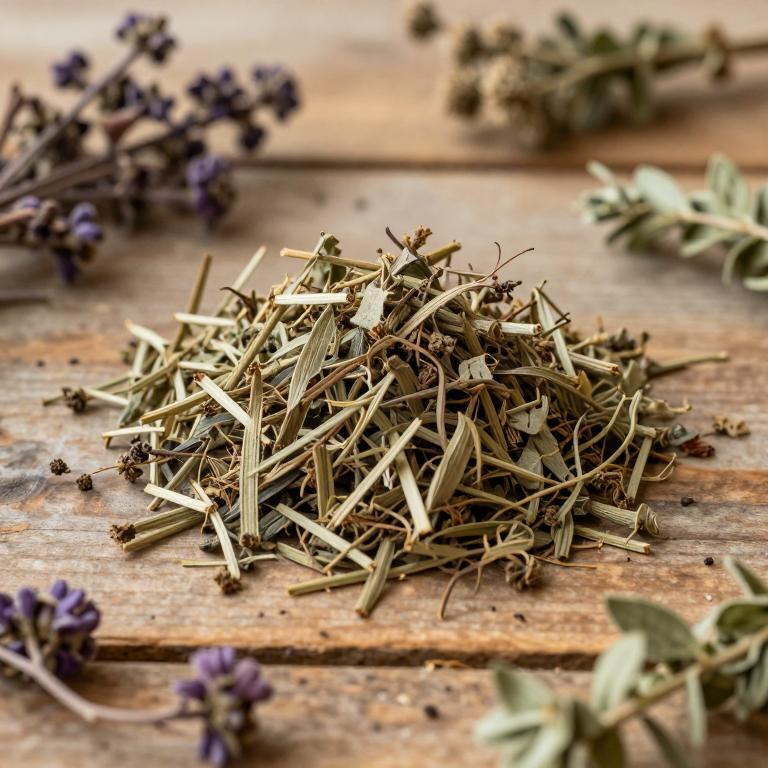
, scientifically known as Prunellla vulgaris subsp. asiatica, is a versatile medicinal herb renowned for its therapeutic properties. Commonly used in traditional medicine, this subspecies offers significant antioxidant and anti-inflammatory benefits. Often utilized to treat respiratory ailments and digestive issues, it serves as a vital botanical resource in holistic wellness.
- Family
- Lamiaceae
- Native range
- Asia-Temperate
- Parts used
- Not available
- Common names
- Not available
- Scientific synonyms
- Prunella Asiatica Var. Albiflora · Prunella Vulgaris Var. Japonica · 12 more
Names and Synonyms
Scientific Names
Accepted name
Prunella vulgaris subsp. asiaticaSynonyms
- Prunella asiatica var. albiflora
- Prunella vulgaris var. japonica
- Prunella vulgaris var. lilacina
- Prunella vulgaris var. yezoensis
- Prunella asiatica f. pilosa
- Prunella vulgaris f. leucocephala
- Prunella vulgaris var. nanhutashanense
- Prunella vulgaris f. taiwanalpina
- Prunella vulgaris var. taiwaniana
- Prunella asiatica f. albiflora
- Prunella vulgaris var. aleutica
- Prunella asiatica f. lilacina
- Prunella asiatica
- Prunella japonica
Sources: Wikidata, Catalogue of Life
Taxonomical Classification
This plant belongs to the kingdom Plantae and the phylum Streptophyta, falling under the class Equisetopsida and subclass Magnoliidae. Within the order Lamiales and family Lamiaceae, it is classified under the genus Prunella. Specifically, this medicinal species is identified as Prunella vulgaris subsp. asiatica.
| Rank | Classification |
|---|---|
| Kingdom | Plantae |
| Phylum | Streptophyta |
| Class | Equisetopsida |
| Subclass | Magnoliidae |
| Order | Lamiales |
| Family | Lamiaceae |
| Genus | Prunella |
Sources: The World Checklist of Vascular Plants (WCVP)
Distribution
This plant exhibits a specific geographical distribution localized within the Russian Far East. Its presence is documented across several key administrative and territorial regions of this area. Specifically, it can be found in the Amur and Khabarovsk regions. The species also extends its range to the Kamchatka Peninsula and the Kuril Islands. Furthermore, its habitat includes the coastal territory of Primorye.
| Region | Area |
|---|---|
| Russian Far East | Amur |
| Russian Far East | Kamchatka |
| Russian Far East | Khabarovsk |
| Russian Far East | Kuril Is. |
| Russian Far East | Primorye |
| Russian Far East | Sakhalin |
| China | Manchuria |
| China | China North-Central |
| China | China Southeast |
| Eastern Asia | Japan |
Sources: The World Checklist of Vascular Plants (WCVP)
Chemicals
Prunella vulgaris subsp. asiatica has 7 reported phytochemicals identified across 0 scientific publications and several other databases. The most consistently reported chemicals include Hyperoside, OLEANOLIC ACID, RUTIN, Ursolic acid, betulinic acid.
| Chemical | Supporting sources | Consensus |
|---|---|---|
| Hyperoside | 1 supporting sources | ★☆☆☆☆ |
| OLEANOLIC ACID | 1 supporting sources | ★☆☆☆☆ |
| RUTIN | 1 supporting sources | ★☆☆☆☆ |
| Ursolic acid | 1 supporting sources | ★☆☆☆☆ |
| betulinic acid | 1 supporting sources | ★☆☆☆☆ |
| caffeic acid | 1 supporting sources | ★☆☆☆☆ |
| rosmarinic acid | 1 supporting sources | ★☆☆☆☆ |
Hyperoside
- Biochemical and biophysical research communications
OLEANOLIC ACID
- Biochemical and biophysical research communications
RUTIN
- Biochemical and biophysical research communications
Ursolic acid
- Biochemical and biophysical research communications
betulinic acid
- Biochemical and biophysical research communications
caffeic acid
- Biochemical and biophysical research communications
rosmarinic acid
- Biochemical and biophysical research communications
Preparations
Prunella vulgaris subsp. asiatica has 1 reported preparations identified across 0 scientific publications and several other databases. The most consistently reported preparations include aqueous extracts.
| Preparation | Supporting sources | Consensus |
|---|---|---|
| Aqueous extracts | 1 supporting sources | ★☆☆☆☆ |
Aqueous extracts
- Biological & pharmaceutical bulletin