Protium klugii
Protium klugii · Accepted scientific name
Scientific literature: Very Sparse (2 studies) · ★☆☆☆☆
Protium klugii, scientifically known as Protium klugii, is a remarkable medicinal plant native to tropical rainforests. Renowned for its aromatic resins, this species offers significant therapeutic potential. Traditionally utilized for its antimicrobial and anti-inflammatory properties, it serves as a vital natural resource in holistic healing and pharmacology.
- Family
- Burseraceae
- Native range
- Southern America
- Parts used
- Leaf
- Common names
- Not available
- Scientific synonyms
- Bursera Klugii
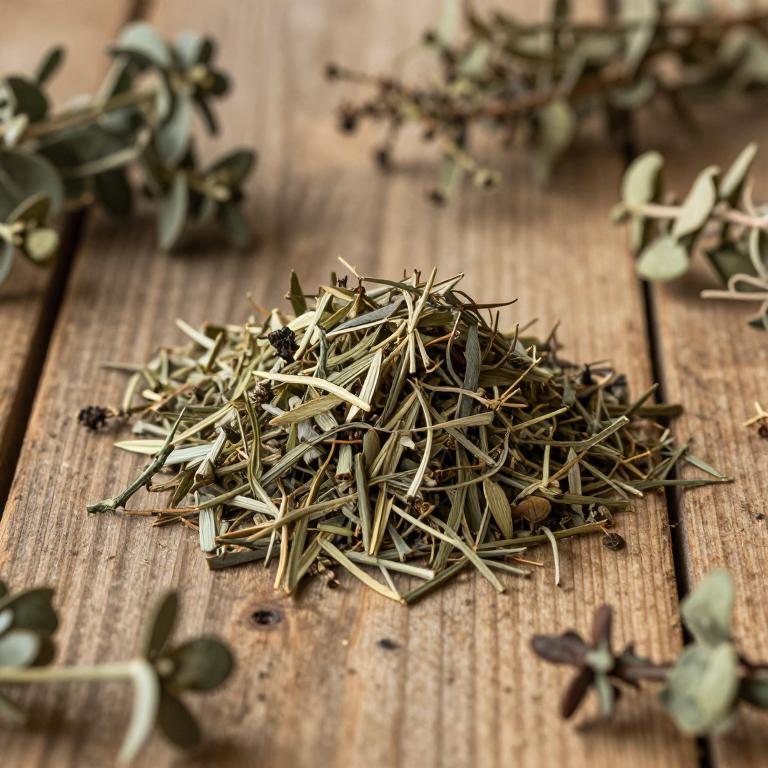
Names and Synonyms
Scientific Names
Accepted name
Protium klugiiSynonyms
- Bursera klugii
Regional and Traditional Names
Spanish:
- Copal Negro
- Cumalillo
- Incienso
Sources: Wikidata, Catalogue of Life
Taxonomical Classification
This plant belongs to the kingdom Plantae within the phylum Streptophyta and the class Equisetopsida. As a member of the subclass Magnoliidae and the order Sapindales, it is classified under the family Burseraceae. Specifically, Protium klugii is identified by its genus, Protium.
| Rank | Classification |
|---|---|
| Kingdom | Plantae |
| Phylum | Streptophyta |
| Class | Equisetopsida |
| Subclass | Magnoliidae |
| Order | Sapindales |
| Family | Burseraceae |
| Genus | Protium |
Sources: The World Checklist of Vascular Plants (WCVP)
Distribution
This plant, known as Protium klugii, exhibits a specific geographical distribution across the tropical regions of the Americas. Within Western South America, its presence is documented in the diverse landscapes of Colombia. It is also found spanning across parts of Peru, contributing to its regional availability. Furthermore, the species extends its range into the northern territories of Brazil. Together, these locations define the primary habitat where this medicinal species can be located.
| Region | Area |
|---|---|
| Western South America | Colombia |
| Western South America | Peru |
| Brazil | Brazil North |
Sources: The World Checklist of Vascular Plants (WCVP)
Botanical Identification
Ecology
The ecology of Protium klugii is characterized by its preference for specific forest structures and low-to-mid altitude tropical environments. This species is typically found inhabiting Floresta de Terra Firme and Floresta Ombrófila (also known as Floresta Pluvial), indicating an adaptation to stable, non-flooded forest soils and high-moisture rainforest ecosystems. Its distribution is restricted to a specific altitudinal gradient, ranging from a minimum elevation of 100 m AMSL to a maximum elevation of 350 m AMSL, positioning it within the lowland to sub-montane tropical zones.
- Elevational range max:
- 350 m AMSL
- Elevational range min:
- 100 m AMSL
- Habitat :
- Floresta de Terra Firme, Floresta Ombrófila (= Floresta Pluvial)
Morphology
The morphology of Protium klugii is characterized by its growth form as a woody tree, reaching a maximum plant height of approximately 20 meters. It functions as an independent organism, lacking parasitic tendencies, and is strictly terrestrial in its ecological habit rather than being aquatic, semiaquatic, or epiphytic. As a self-supporting species, it does not exhibit climbing behaviors such as those of a liana or vine, nor does it rely on other structures for support. Its structural development is defined by a robust, woody constitution typical of large forest trees.
- Aquatic :
- terrestrial
- Climber :
- self-supporting
- Epiphyte :
- terrestrial
- Growth form :
- tree
- Parasite :
- independent
- Plant height max:
- 20 m
- Woodiness :
- woody
Sources: Global Inventory of Floras and Traits (GIFT)
Plant Parts
Protium klugii has 1 reported plant parts identified across 1 scientific publications and several other databases that are studied for medicinal purposes. The most consistently reported plant part include leaf.
| Plant part | Supporting sources | Consensus |
|---|---|---|
| Leaf | 1 supporting sources | ★☆☆☆☆ |
Leaf
- Journal of pharmaceutical sciences
Chemicals
Protium klugii has 1 reported phytochemicals identified across 1 scientific publications and several other databases. The most consistently reported chemicals include sapelins A.
| Chemical | Supporting sources | Consensus |
|---|---|---|
| sapelins A | 1 supporting sources | ★☆☆☆☆ |
sapelins A
- Journal of pharmaceutical sciences
Preparations
Protium klugii has 1 reported preparations identified across 1 scientific publications and several other databases. The most consistently reported preparations include ethanol extract of the leaves.
| Preparation | Supporting sources | Consensus |
|---|---|---|
| Ethanol extract of the leaves | 1 supporting sources | ★☆☆☆☆ |
Ethanol extract of the leaves
- Journal of pharmaceutical sciences