Prismatomeris tetrandra subsp. tetrandra
Prismatomeris tetrandra subsp. tetrandra · Accepted scientific name
Scientific literature: Very Sparse (0 studies) · ★☆☆☆☆
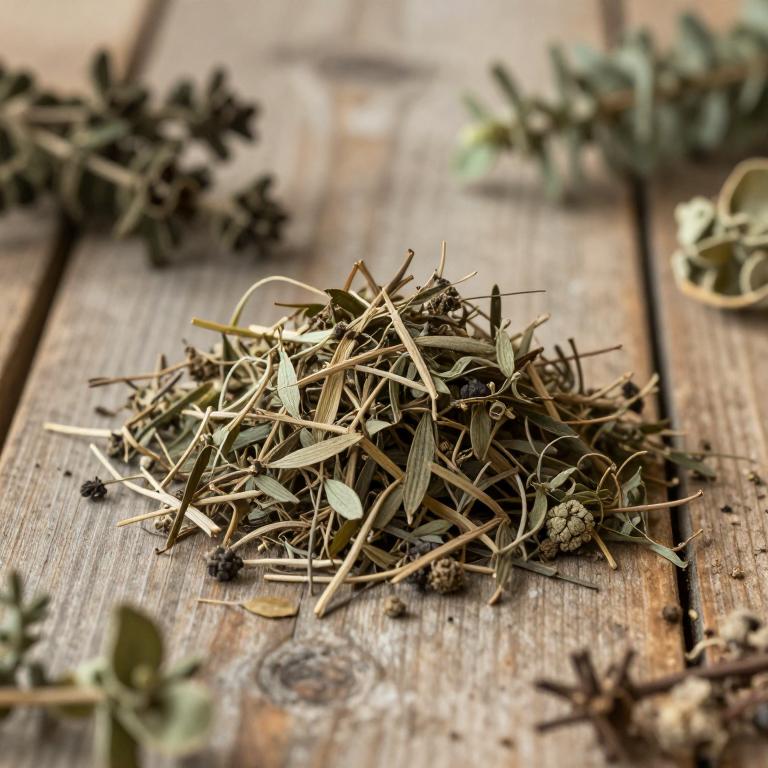
Prismatomeris tetrandra subsp. tetrandra is a specialized botanical species recognized for its unique pharmacological properties. The plant's primary medicinal value is derived from its root, which serves as the foundational component for various treatments. In traditional practices, it is frequently utilized as a potent Chinese medicinal herb to address diverse health concerns. Modern scientific research has further explored its potential through the development of HG ethanol extracts. These preparations aim to isolate bioactive compounds to enhance the plant's therapeutic efficacy.
- Synonyms
- Prismatomeris Tetrandra Subsp. Multiflora · Prismatomeris Tetrandra Var. Philippinensis · 4 more
- Common names
- Not available
- Family
- Rubiaceae
- Distribution
- Southern America
- Plant Parts
- Root
Classification
Synonyms
Prismatomeris tetrandra subsp. tetrandra is a complex taxon characterized by several botanical synonyms that reflect its diverse taxonomic history. It is formally recognized under various alternative names, including Octotropis terminalis and Prismatomeris connata. The classification further encompasses specific variations such as Prismatomeris connata subsp. hainanensis and Prismatomeris multiflora. Additionally, researchers often refer to this subspecies as Prismatomeris tetrandra subsp. multiflora in different scientific contexts. Understanding these overlapping identities is essential for accurate botanical identification and study.
Sources: The World Checklist of Vascular Plants (WCVP)
Taxonomy
Prismatomeris tetrandra subsp. tetrandra belongs to the vast kingdom Plantae, representing a unique branch of the natural world. Within this kingdom, the subspecies is classified under the class Equisetopsida. It further falls into the order Gentianales, a group known for its distinct botanical characteristics. As a member of the Rubiaceae family, it shares evolutionary traits with many other widespread flowering plants. Ultimately, this specific organism is defined by its placement within the genus Prismatomeris.
| Rank | Classification |
|---|---|
| Kingdom | Plantae |
| Phylum | Streptophyta |
| Class | Equisetopsida |
| Subclass | Magnoliidae |
| Order | Gentianales |
| Family | Rubiaceae |
| Genus | Prismatomeris |
Sources: The World Checklist of Vascular Plants (WCVP)
Distribution
Geographic Regions
Prismatomeris tetrandra subsp. tetrandra exhibits a broad and diverse geographic range spanning across several regions of Asia. Within the temperate zones, this subspecies is widely distributed throughout various parts of China, including the South-Central and Southeast regions as well as the island of Hainan. Its presence also extends into tropical climates, highlighting its ability to adapt to different environmental conditions. Specifically, the plant can be found in the Indian Subcontinent, with documented populations in Assam and Bangladesh. This wide-reaching distribution underscores the ecological versatility of this particular subspecies across both temperate and tropical landscapes.
Sources: The World Checklist of Vascular Plants (WCVP)
Identification
Biological Activities
Compounds
Conditions
Prismatomeris tetrandra subsp. tetrandra, specifically through the bioactive components found in its related species Prismatomeris connata, demonstrates potential in treating lung tumor cell growth. Research into the medicinal herb "Huang Gen" has led to the isolation of seven new tetrahydroanthraquinones from its roots. Among these isolated compounds, prisconnatanone I exhibited the most significant activity in suppressing the growth of human lung tumor cell lines such as A549 and H520. The study indicates that the presence of specific chemical structures, particularly hydroxylation at the C-1 position, significantly enhances this cytotoxicity. Consequently, these natural tetrahydroanthraquinones serve as promising agents for targeting and inhibiting lung tumor cell proliferation.
Preparations
Prismatomeris tetrandra subsp. tetrandra is prepared as a Chinese medicinal herb. This specific plant is also processed as an HG ethanol extract for chemical analysis. The extraction of these components allows for the isolation of various bioactive compounds from the root. Research into this preparation focuses on identifying active ingredients like tetrahydroanthraquinones. Such studies aim to understand the medicinal properties found within the HG ethanol extract.
Parts used
Prismatomeris tetrandra subsp. tetrandra possesses a distinct root structure that serves as a critical component of its biological profile. While studies often focus on related species like Prismatomeris connata, the presence of roots in this taxon highlights its potential for phytochemical investigation. Research into similar species has revealed that these root systems are rich in bioactive anthraquinones and tetrahydroanthraquinones. These extracted compounds have demonstrated significant cytotoxicity against various human lung tumor cell lines in laboratory settings. Consequently, understanding the root composition of the Prismatomeris genus remains essential for discovering new medicinal properties.