Prismatomeris glabra
Prismatomeris glabra · Accepted scientific name
Scientific literature: Very Sparse (5 studies) · ★☆☆☆☆
Prismatomeris glabra, scientifically known as Prismatomeris glabra, is a remarkable medicinal plant valued for its unique therapeutic properties. Renowned for its bioactive compounds, this species plays a vital role in traditional healing practices. Understanding its botanical characteristics and pharmacological potential is essential for exploring its diverse medicinal applications.
- Family
- Rubiaceae
- Native range
- Asia-Tropical
- Parts used
- Not available
- Common names
- Not available
- Scientific synonyms
- Prismatomeris Lepidophloia · Coffea Glabra · 3 more
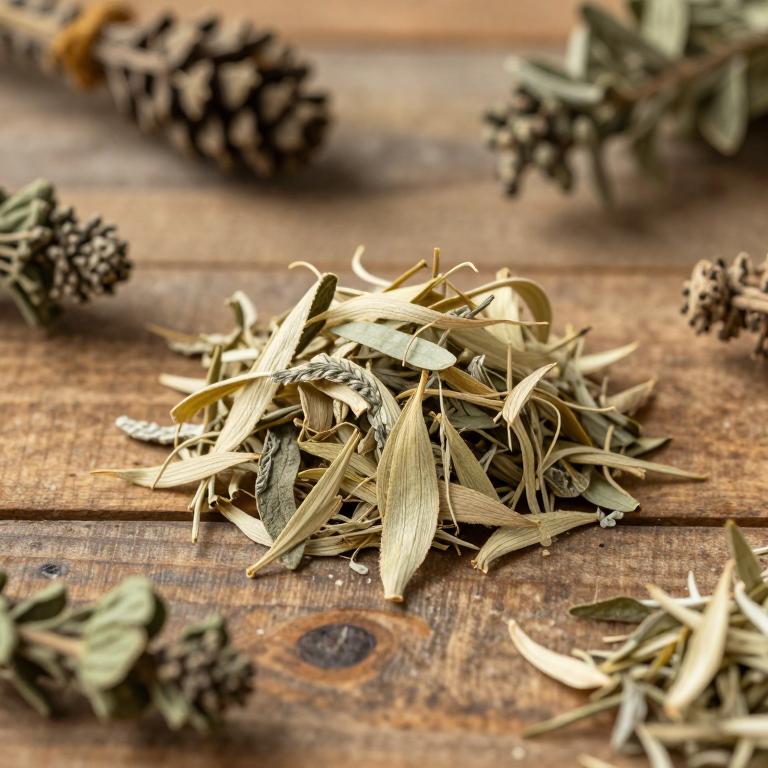
Names and Synonyms
Scientific Names
Accepted name
Prismatomeris glabraSynonyms
- Prismatomeris lepidophloia
- Coffea glabra
- Coffea lepidophloia
- Coffea neurophylla
- Prismatomeris neurophylla
Sources: Wikidata
Taxonomical Classification
This plant belongs to the kingdom Plantae and the phylum Streptophyta, falling under the class Equisetopsida and subclass Magnoliidae. Within the order Gentianales, it is a member of the Rubiaceae family. It is specifically classified under the genus Prismatomeris, with the species name glabra.
| Rank | Classification |
|---|---|
| Kingdom | Plantae |
| Phylum | Streptophyta |
| Class | Equisetopsida |
| Subclass | Magnoliidae |
| Order | Gentianales |
| Family | Rubiaceae |
| Genus | Prismatomeris |
Sources: The World Checklist of Vascular Plants (WCVP)
Distribution
This plant is distributed across several key regions within the Malesia botanical zone. Specifically, its natural habitat includes the island of Borneo. It can also be found growing throughout the various parts of Jawa. Furthermore, the species is documented to exist within the territory of Malaya. Finally, its geographical range extends to the island of Sumatera.
| Region | Area |
|---|---|
| Malesia | Borneo |
| Malesia | Jawa |
| Malesia | Malaya |
| Malesia | Sumatera |
Sources: The World Checklist of Vascular Plants (WCVP)
Botanical Identification
Life history
The life history of Prismatomeris glabra is characterized by distinct growth strategies defined by its structural life forms, primarily functioning as a phanerophyte and exhibiting characteristics of a nanophanerophyte. As a phanerophyte, the plant maintains its reproductive shoots well above the soil surface, allowing it to navigate its specific ecological niche through elevated stem structures. This growth habit is further refined by its classification as a nanophanerophyte, indicating that while it possesses the elevated shoot characteristics of larger woody plants, its stature remains relatively small and compact. This combination of life forms suggests a strategy optimized for stability and resource acquisition within its habitat, utilizing its visible, elevated stems to facilitate seasonal development and reproductive cycles.
- Life form :
- nanophanerophyte
- Life form :
- phanerophyte
Morphology
The morphology of Prismatomeris glabra is characterized by a woody growth form that functions as a self-supporting climber, manifesting as a liana or vine. Although it possesses climbing capabilities, it is classified as a self-supporting plant rather than an obligatory or facultative climber. While its structural development can be described under the broader growth form category of a tree, it primarily functions as a terrestrial organism, lacking epiphyte characteristics such as being a holoepiphyte, hemiepiphyte, or facultative epiphyte. The plant is an independent species, showing no parasitic tendencies, and maintains a robust, woody composition. In terms of physical dimensions, it reaches a maximum plant height of approximately 4 meters.
- Climber :
- self-supporting
- Epiphyte :
- terrestrial
- Growth form :
- tree
- Parasite :
- independent
- Plant height max:
- 4 m
- Woodiness :
- woody
Sources: Global Inventory of Floras and Traits (GIFT)
Chemicals
Prismatomeris glabra has 4 reported phytochemicals identified across 0 scientific publications and several other databases. The most consistently reported chemicals include Catechol diethyl ether, Lucidin, Nordamnacanthal, damnacanthal.
| Chemical | Supporting sources | Consensus |
|---|---|---|
| Catechol diethyl ether | 1 supporting sources | ★☆☆☆☆ |
| Lucidin | 1 supporting sources | ★☆☆☆☆ |
| Nordamnacanthal | 1 supporting sources | ★☆☆☆☆ |
| damnacanthal | 1 supporting sources | ★☆☆☆☆ |
Catechol diethyl ether
- Natural product research
Lucidin
- Natural product research
Nordamnacanthal
- Natural product research
damnacanthal
- Natural product research
Conditions
Prismatomeris glabra has 1 reported investigations on conditions identified across 0 scientific publications and several other databases. The most consistently reported conditions include neuroblastoma.
| Condition | Supporting sources | Consensus |
|---|---|---|
| Neuroblastoma | 1 supporting sources | ★☆☆☆☆ |
Neuroblastoma
- Natural product research