Primulina longgangensis
Primulina longgangensis · Accepted scientific name
Scientific literature: Very Sparse (8 studies) · ★☆☆☆☆
Primulina longgangenensis, scientifically known as Primulina longgangenis, is a rare medicinal herb endemic to specific karst landscapes. Characterized by its unique foliage and delicate blooms, this plant is increasingly valued in traditional ethnobotany. Ongoing research explores its potential bioactive compounds, highlighting its significant importance in modern pharmacological studies.
- Family
- Gesneriaceae
- Native range
- Asia-Temperate
- Parts used
- Stem
- Common names
- Not available
- Scientific synonyms
- Chirita Longgangensis · Chirita Longgangensis Var. Hongyao · 1 more
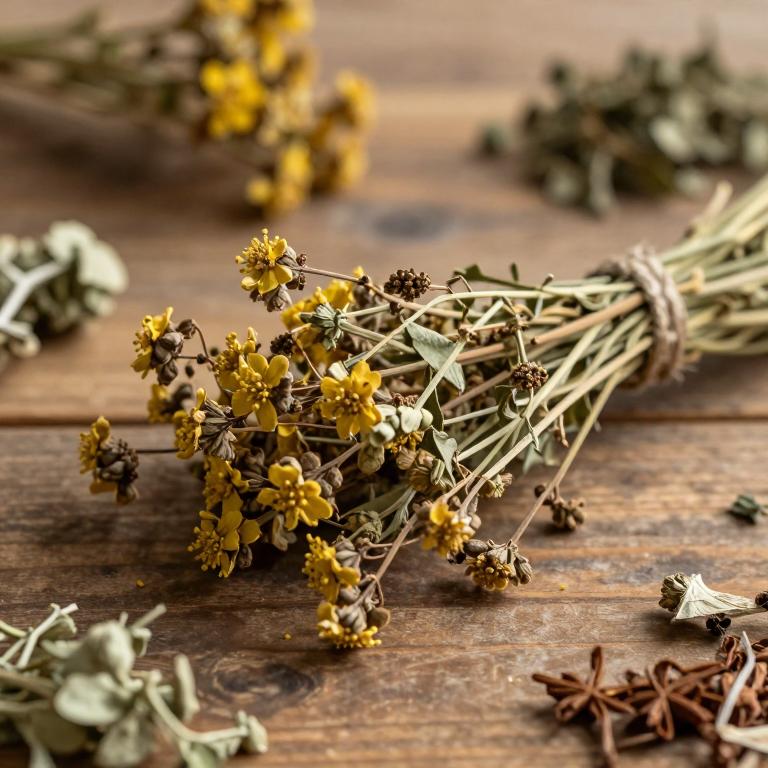
Names and Synonyms
Scientific Names
Accepted name
Primulina longgangensisSynonyms
- Chirita longgangensis
- Chirita longgangensis var. hongyao
- Primulina longgangensis var. hongyao
Sources: Wikidata
Taxonomical Classification
This plant belongs to the kingdom Plantae and the phylum Streptophyta, falling under the class Equisetopsida and subclass Magnoliidae. Within the order Lamiales, it is classified under the family Gesneriaceae. It is specifically identified by its genus, Primulina, and its species name, longgangensis.
| Rank | Classification |
|---|---|
| Kingdom | Plantae |
| Phylum | Streptophyta |
| Class | Equisetopsida |
| Subclass | Magnoliidae |
| Order | Lamiales |
| Family | Gesneriaceae |
| Genus | Primulina |
Sources: The World Checklist of Vascular Plants (WCVP)
Distribution
This plant exhibits a specific geographical distribution concentrated within certain regions of Asia. It is primarily found in the Southeast part of China, where it inhabits local ecosystems. Additionally, its range extends into the Indo-China region. Specifically, the species has been documented growing within the borders of Vietnam. Consequently, its habitat is limited to these particular subtropical territories.
| Region | Area |
|---|---|
| China | China Southeast |
| Indo-China | Vietnam |
Sources: The World Checklist of Vascular Plants (WCVP)
Plant Parts
Primulina longgangensis has 1 reported plant parts identified across 2 scientific publications and several other databases that are studied for medicinal purposes. The most consistently reported plant part include stem.
| Plant part | Supporting sources | Consensus |
|---|---|---|
| Stem | 2 supporting sources | ★☆☆☆☆ |
Stem
- Zhongguo Zhong yao za zhi = Zhongguo zhongyao zazhi = China journal of Chinese materia medica
- Yao xue xue bao = Acta pharmaceutica Sinica
Chemicals
Primulina longgangensis has 5 reported phytochemicals identified across 2 scientific publications and several other databases. The most consistently reported chemicals include BETA-SITOSTEROL, Daucosterol, Ursolic acid, Vanillic acid, beta-Sitosteryl-D-glucoside-6'-palmitate.
| Chemical | Supporting sources | Consensus |
|---|---|---|
| BETA-SITOSTEROL | 1 supporting sources | ★☆☆☆☆ |
| Daucosterol | 1 supporting sources | ★☆☆☆☆ |
| Ursolic acid | 1 supporting sources | ★☆☆☆☆ |
| Vanillic acid | 1 supporting sources | ★☆☆☆☆ |
| beta-Sitosteryl-D-glucoside-6'-palmitate | 1 supporting sources | ★☆☆☆☆ |
BETA-SITOSTEROL
- Zhongguo Zhong yao za zhi = Zhongguo zhongyao zazhi = China journal of Chinese materia medica
Daucosterol
- Zhongguo Zhong yao za zhi = Zhongguo zhongyao zazhi = China journal of Chinese materia medica
Ursolic acid
- Zhongguo Zhong yao za zhi = Zhongguo zhongyao zazhi = China journal of Chinese materia medica
Vanillic acid
- Zhongguo Zhong yao za zhi = Zhongguo zhongyao zazhi = China journal of Chinese materia medica
beta-Sitosteryl-D-glucoside-6'-palmitate
- Zhongguo Zhong yao za zhi = Zhongguo zhongyao zazhi = China journal of Chinese materia medica
Preparations
Primulina longgangensis has 2 reported preparations identified across 2 scientific publications and several other databases. The most consistently reported preparations include methanol extract of the stems, stem.
| Preparation | Supporting sources | Consensus |
|---|---|---|
| Methanol extract of the stems | 1 supporting sources | ★☆☆☆☆ |
| Stem | 1 supporting sources | ★☆☆☆☆ |
Methanol extract of the stems
- Yao xue xue bao = Acta pharmaceutica Sinica
Stem
- Zhongguo Zhong yao za zhi = Zhongguo zhongyao zazhi = China journal of Chinese materia medica