prvosenka
Primula · Accepted scientific name
Scientific literature: Very Sparse (6 studies) · ★☆☆☆☆
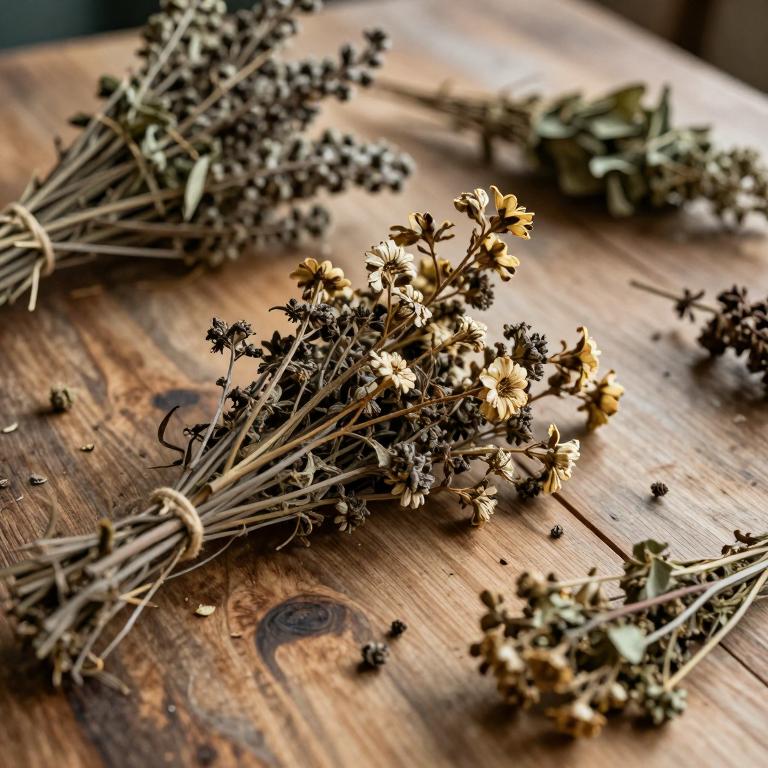
Prvosenka, scientifically known as Primula, is a versatile genus of flowering plants cherished for both ornamental beauty and therapeutic potential. Renowned for their vibrant blooms, these perennials contain bioactive compounds used in traditional medicine to soothe skin irritations, alleviate respiratory issues, and support overall wellness through natural healing properties.
Names and Synonyms
Common Names
- primrose
- shootingstar
- Primroses
Scientific Names
Accepted name
PrimulaSynonyms
- Cankrienia
- Carolinella
- Primulidium
- Cortusa
- × Cortoprimula
- Exinia
- Dodecatheon
- Aleuritia
- Meadia
- Oscaria
- Auganthus
- Auricula
- Auricula-ursi
- Sredinskya
- Kablikia
- Kaufmannia
Regional and Traditional Names
Spanish:
- Prímula
- Primavera de jardín
- Primavera de jardin
- Primavera
- Prímulas o Primaveras
- Primavera
German:
- Primeln
- Primel
- prvosenka
- Schlüsselblume
- Primeln
French:
- primevère
- Primevère
- primevères
- Primevères
- Primevère
Sources: Wikidata, Catalogue of Life
Taxonomical Classification
This plant belongs to the kingdom Plantae and the phylum Streptophyta, falling under the class Equisetopsida and subclass Magnoliidae. Within the order Ericales, it is classified under the family Primulaceae and is defined by the genus Primula.
| Rank | Classification |
|---|---|
| Kingdom | Plantae |
| Phylum | Streptophyta |
| Class | Equisetopsida |
| Subclass | Magnoliidae |
| Order | Ericales |
| Family | Primulaceae |
| Genus | Primula |
Sources: The World Checklist of Vascular Plants (WCVP)
Distribution
This plant exhibits a wide geographical distribution across several regions of Northern Europe. It can be found growing in the natural landscapes of Denmark and Finland. The species also inhabits the rugged terrains of the Faroe Islands, known as Føroyar. Additionally, its presence extends to the islands of Great Britain and Iceland. These specific locations highlight the plant's ability to thrive in various northern climates.
| Region | Area |
|---|---|
| Northern Europe | Denmark |
| Northern Europe | Finland |
| Northern Europe | Føroyar |
| Northern Europe | Great Britain |
| Northern Europe | Iceland |
| Northern Europe | Ireland |
| Northern Europe | Norway |
| Northern Europe | Sweden |
| Middle Europe | Austria |
| Middle Europe | Belgium |
Sources: The World Checklist of Vascular Plants (WCVP)
Plant Parts
Primula has 2 reported plant parts identified across 3 scientific publications and several other databases that are studied for medicinal purposes. The most consistently reported plant part include root, flower.
| Plant part | Supporting sources | Consensus |
|---|---|---|
| Root | 2 supporting sources | ★☆☆☆☆ |
| Flower | 1 supporting sources | ★☆☆☆☆ |
Root
- Journal of pharmaceutical and biomedical analysis
- Pulmonary pharmacology & therapeutics
Flower
- Phytomedicine : international journal of phytotherapy and phytopharmacology
Chemicals
Primula has 2 reported phytochemicals identified across 3 scientific publications and several other databases. The most consistently reported chemicals include Primulasaponin I, Primulasaponin II.
| Chemical | Supporting sources | Consensus |
|---|---|---|
| Primulasaponin I | 1 supporting sources | ★☆☆☆☆ |
| Primulasaponin II | 1 supporting sources | ★☆☆☆☆ |
Primulasaponin I
- Journal of pharmaceutical and biomedical analysis
Primulasaponin II
- Journal of pharmaceutical and biomedical analysis
Conditions
Primula has 1 reported investigations on conditions identified across 3 scientific publications and several other databases. The most consistently reported conditions include Allergic contact dermatitis.
| Condition | Supporting sources | Consensus |
|---|---|---|
| Allergic contact dermatitis | 1 supporting sources | ★☆☆☆☆ |
Allergic contact dermatitis
- Allergologia et immunopathologia