Prangos
Prangos · Accepted scientific name
Scientific literature: Very Sparse (7 studies) · ★☆☆☆☆
Scientifically known as Prangos, is a versatile medicinal herb valued in traditional healing systems. Renowned for its potent therapeutic properties, this plant is frequently utilized to support digestive health and reduce inflammation. Its unique bioactive compounds offer significant wellness benefits, making it a vital resource in herbal medicine today.
- Family
- Apiaceae
- Native range
- Europe
- Parts used
- Not available
- Common names
- Not available
- Scientific synonyms
- Koelzella · Neocryptodiscus · 1 more
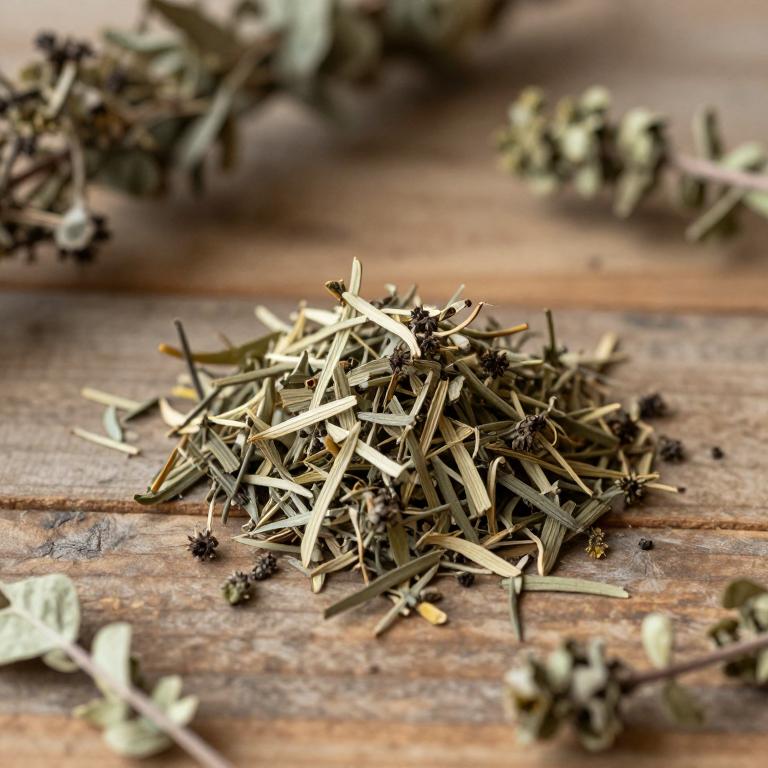
Names and Synonyms
Scientific Names
Accepted name
PrangosSynonyms
- Koelzella
- Neocryptodiscus
- Alococarpum
Sources: Wikidata, Catalogue of Life
Taxonomical Classification
This plant belongs to the kingdom Plantae and the phylum Streptophyta, falling under the class Equisetopsida and subclass Magnoliidae. Within the order Apiales, it is classified under the family Apiaceae and the genus Prangos.
| Rank | Classification |
|---|---|
| Kingdom | Plantae |
| Phylum | Streptophyta |
| Class | Equisetopsida |
| Subclass | Magnoliidae |
| Order | Apiales |
| Family | Apiaceae |
| Genus | Prangos |
Sources: The World Checklist of Vascular Plants (WCVP)
Distribution
This plant exhibits a specific distribution across several regions of Europe. In Southwestern Europe, it can be found growing within the territories of France, Portugal, and Spain. Its presence also extends into Southeastern Europe, where it is located in Albania. Additionally, the species is documented to inhabit the landscape of Bulgaria. Collectively, these locations define the primary geographical range of the Prangos.
| Region | Area |
|---|---|
| Southwestern Europe | France |
| Southwestern Europe | Portugal |
| Southwestern Europe | Spain |
| Southeastern Europe | Albania |
| Southeastern Europe | Bulgaria |
| Southeastern Europe | Greece |
| Southeastern Europe | Italy |
| Southeastern Europe | Romania |
| Southeastern Europe | Sicilia |
| Southeastern Europe | NW. Balkan Pen. |
Sources: The World Checklist of Vascular Plants (WCVP)
Chemicals
Prangos has 5 reported phytochemicals identified across 0 scientific publications and several other databases. The most consistently reported chemicals include Coumarins, Flavonoids, Furanocoumarins, Phytosterols, Terpenoids.
| Chemical | Supporting sources | Consensus |
|---|---|---|
| Coumarins | 1 supporting sources | ★☆☆☆☆ |
| Flavonoids | 1 supporting sources | ★☆☆☆☆ |
| Furanocoumarins | 1 supporting sources | ★☆☆☆☆ |
| Phytosterols | 1 supporting sources | ★☆☆☆☆ |
| Terpenoids | 1 supporting sources | ★☆☆☆☆ |
Coumarins
- Journal of ethnopharmacology
Flavonoids
- Journal of ethnopharmacology
Furanocoumarins
- Journal of ethnopharmacology
Phytosterols
- Journal of ethnopharmacology
Terpenoids
- Journal of ethnopharmacology
Activities
Prangos has 1 reported activities identified across 0 scientific publications and several other databases. The most consistently reported activities include Aphrodisiac.
| Activity | Supporting sources | Consensus |
|---|---|---|
| Aphrodisiac | 1 supporting sources | ★☆☆☆☆ |
Aphrodisiac
- Journal of ethnopharmacology
Conditions
Prangos has 1 reported investigations on conditions identified across 0 scientific publications and several other databases. The most consistently reported conditions include aphrodisiac effects.
| Condition | Supporting sources | Consensus |
|---|---|---|
| Aphrodisiac effects | 1 supporting sources | ★☆☆☆☆ |
Aphrodisiac effects
- Journal of ethnopharmacology