Prangos platychlaena
Prangos platychlaena · Accepted scientific name
Scientific literature: Very Sparse (0 studies) · ★☆☆☆☆
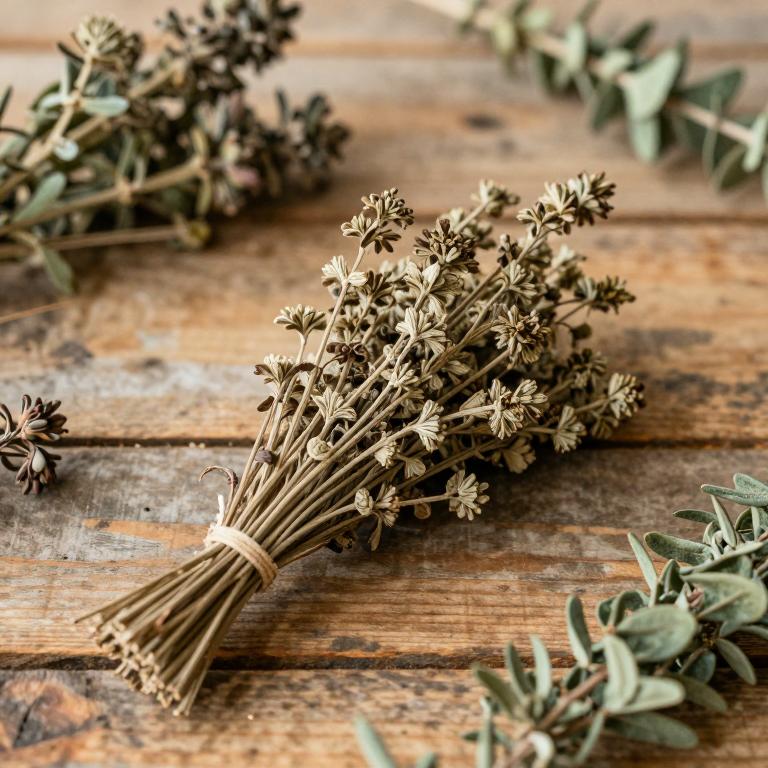
Prangos platychlaena is a unique botanical species known for its distinct medicinal and chemical properties. This plant is particularly notable for containing specific coumarins within its biological structure. Historically, it has been utilized in various traditional applications to address skin-related concerns. Specifically, it is often applied to help manage conditions such as bleeding and the healing of scars. Understanding its chemical makeup provides valuable insight into its potential therapeutic uses.
- Synonyms
- Cachrys Platychlaena
- Common names
- Not available
- Family
- Apiaceae
- Distribution
- Not available
- Plant Parts
- Not available
Classification
Common Names
Prangos platychlaena is a distinctive plant species that holds a special place in local botanical discussions. It is most widely recognized by its common name, Korkor, which serves as a familiar identifier for those living in its native habitat. This name helps bridge the gap between scientific classification and everyday recognition among enthusiasts. Understanding these linguistic connections is essential for anyone studying the plant's cultural and biological significance. Consequently, knowing it as Korkor allows for a deeper appreciation of its role within its unique ecosystem.
Sources: Catalogue of Life (COL)
Synonyms
Prangos platychlaena is a botanical species that is frequently identified by its alternative scientific designation. In various taxonomic databases and historical records, this plant is recognized by the synonym Cachrys platychlaena. Understanding these overlapping names is essential for researchers navigating complex botanical literature. This nomenclatural relationship ensures that data remains consistent even when different naming conventions are applied. Recognizing both terms allows for seamless identification and accurate study of the species.
Sources: The World Checklist of Vascular Plants (WCVP)
Taxonomy
Prangos platychlaena belongs to the vast kingdom Plantae, representing a diverse group of multicellular organisms. Within this biological realm, the species is classified under the class Equisetopsida. It further resides in the order Apiales, which helps define its evolutionary lineage. As a member of the family Apiaceae, it shares characteristics with a wide array of herbaceous plants. Ultimately, its specific identity is solidified by its placement within the genus Prangos.
| Rank | Classification |
|---|---|
| Kingdom | Plantae |
| Phylum | Streptophyta |
| Class | Equisetopsida |
| Subclass | Magnoliidae |
| Order | Apiales |
| Family | Apiaceae |
| Genus | Prangos |
Sources: The World Checklist of Vascular Plants (WCVP)
Distribution
Geographic Regions
Prangos platychlaena is a resilient species primarily distributed throughout the Asia-Temperate region. It is notably found across the diverse landscapes of Western Asia, where it thrives in various environments. Specifically, its range extends through the rugged terrains of Iran and Iraq. The plant is also well-established within the Lebanon-Syria border regions. Furthermore, its presence continues across the vast territory of Türkiye, marking a significant portion of its natural habitat.
Sources: The World Checklist of Vascular Plants (WCVP)
Identification
Biological Activities
Compounds
Prangos platychlaena is a medicinal plant native to eastern Turkey that has long been utilized in traditional healing practices. It is particularly valued for its ability to stop bleeding and promote the healing of scars when applied externally to the skin. Scientific analysis of the plant has revealed that it contains specific chemical compounds known as coumarins. When researchers isolated these coumarins to test their efficacy against various bacterial strains, they observed only a slight level of antibacterial activity. These findings help clarify the chemical basis behind the traditional medicinal uses of this unique species.
Conditions
Prangos platychlaena serves as a traditional medicinal plant used to treat various skin conditions. When applied externally, this species effectively stops bleeding in injured areas. It also plays a crucial role in the healing process of scars. These specific therapeutic properties have been documented in the traditional medicine of eastern Turkey. Consequently, the plant functions as a practical remedy for both active bleeding and scar recovery.