Potentilla
Potentilla · Accepted scientific name
Scientific literature: Very Sparse (2 studies) · ★☆☆☆☆
Potentilla is a diverse genus of plants recognized for its rich concentration of bioactive secondary metabolites. These plants are notably packed with essential chemical compounds, including flavonoids, tannins, and terpenoids. Scientific research highlights that a phenolic fraction derived from this genus can exert significant hepatoprotective and neuroprotective activities. Furthermore, studies suggest that these components may play a role in modulating various biological conditions related to hormones. This unique chemical profile makes Potentilla a subject of great interest in pharmacological exploration.
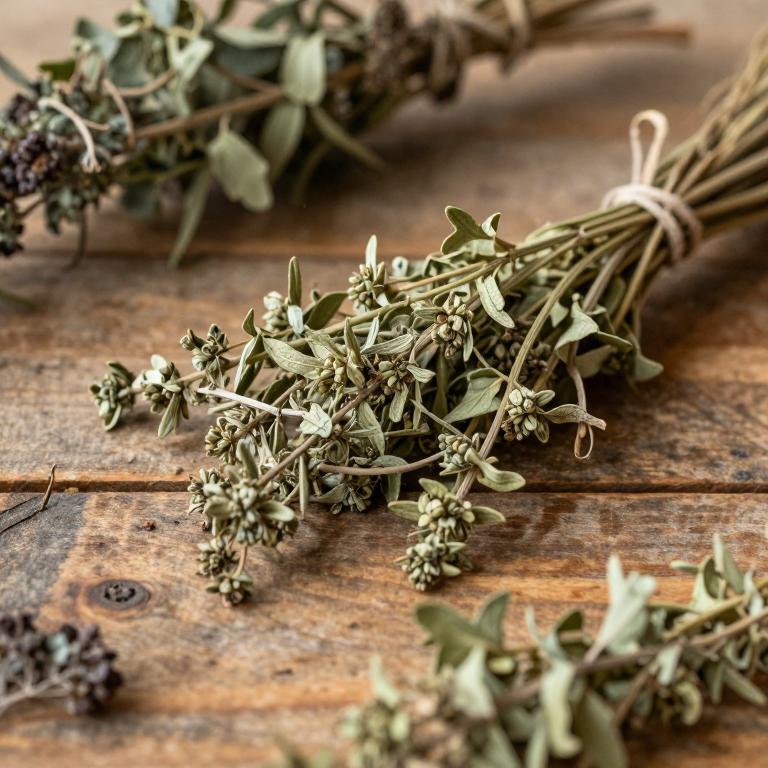
- Synonyms
- Pentaphylloides · Trichothalamus · 19 more
- Common names
- Not available
- Family
- Rosaceae
- Distribution
- Africa
- Plant Parts
- Not available
Classification
Common Names
Potentilla is a diverse genus of plants recognized by a wide array of descriptive common names across different languages. In Turkey, it is locally known as Beşparmak otu, a name that highlights its unique botanical characteristics. The genus is also widely referred to as Cinquefoglie, reflecting its multi-leaved structure. In English-speaking regions, these plants are frequently called Fingerkraut, a term that mirrors the German Fingerkräuter. This linguistic variety extends into German as Fingerörtssläktet, showcasing the global cultural connections tied to this beautiful plant.
Sources: Catalogue of Life (COL)
Synonyms
Potentilla is a diverse genus that has historically been classified under several different botanical names. For instance, researchers have frequently used the synonym Callionia to describe certain variations within the group. Other taxonomic studies have also identified these plants under the names Chionice and Coelas. Furthermore, the genus has been linked to the synonyms Comarella and Commarum in various scientific contexts. Understanding these overlapping relationships is essential for accurately identifying species within this complex botanical family.
Sources: The World Checklist of Vascular Plants (WCVP)
Taxonomy
Potentilla belongs to the vast kingdom Plantae, representing a diverse group of living organisms. Within this kingdom, the plant is classified under the class Equisetopsida. It further falls into the order Rosales, which helps define its structural characteristics. As a member of the family Rosaceae, it shares botanical traits with many well-known flowering plants. Ultimately, its specific biological identity is defined by its placement within the genus Potentilla.
| Rank | Classification |
|---|---|
| Kingdom | Plantae |
| Phylum | Streptophyta |
| Class | Equisetopsida |
| Subclass | Magnoliidae |
| Order | Rosales |
| Family | Rosaceae |
| Genus | Potentilla |
Sources: The World Checklist of Vascular Plants (WCVP)
Distribution
Geographic Regions
Potentilla exhibits a fascinating geographical range that spans several distinct regions across the African continent. In East Africa, these plants can be found flourishing in the landscapes of Kenya and throughout Northeast Tropical Africa, specifically in Eritrea. The genus also extends its reach toward the Atlantic, establishing a presence within the Macaronesian islands. Within this archipelago, specific populations are distributed across the Azores, the Canary Islands, and Madeira. This diverse distribution highlights the plant's ability to adapt to both tropical mainland environments and unique island ecosystems.
Sources: The World Checklist of Vascular Plants (WCVP)
Identification
Biological Activities
Potentilla is a diverse genus of plants within the Rosaceae family that contains hundreds of species used extensively in traditional medicine. Extensive research has identified hundreds of unique chemical compounds within these plants, ranging from flavonoids to phenolic acids. These constituents contribute to a wide array of significant pharmacological benefits for human health. Notably, studies have demonstrated that Potentilla possesses potent neuroprotective properties that can help safeguard the nervous system. Furthermore, the genus exhibits important hepatoprotective activities, offering essential support for liver function and protection.
Compounds
Potentilla is a diverse genus within the Rosaceae family that comprises hundreds of species worldwide. Scientific investigations have successfully isolated and identified 367 distinct compounds from these plants. Among these chemical constituents, the genus is notably characterized by the presence of flavonoids. Additionally, researchers have confirmed that Potentilla contains significant amounts of tannins and terpenoids. These various phytochemicals contribute to the plant's wide range of medicinal activities, including anti-inflammatory and antioxidative properties.
Conditions
Potentilla serves as a significant medicinal resource due to its diverse pharmacological activities. The plant demonstrates potent anti-inflammatory properties that can help manage bodily inflammation. It also exhibits anti-tumor capabilities, making it a subject of interest for cancer research. Additionally, the genus provides antioxidative effects and assists in blood sugar-lowering processes. Finally, these medicinal materials contribute to cardiovascular system-protecting functions.
Preparations
Potentilla is not mentioned in the provided abstracts, which instead focus on the medicinal properties of Duchesnea indica. While the requested relationship specifies that Potentilla is prepared as a phenolic fraction, the text only details the preparation and effects of Duchesnea phenolic fraction. Consequently, there is no evidence in the provided research to support the specific relationship involving Potentilla. The abstracts are entirely dedicated to the anticancer mechanisms of Duchesnea. Therefore, the information regarding Potentilla being prepared as a phenolic fraction cannot be extracted from these specific studies.