Pongamia
Pongamia · Accepted scientific name
Scientific literature: Very Sparse (11 studies) · ★☆☆☆☆
Scientifically known as Pongamia, is a versatile, multipurpose legume widely distributed across tropical regions. Renowned for its medicinal properties, it contains bioactive compounds with anti-inflammatory and antimicrobial effects. Beyond healing, its seeds yield valuable non-edible oil, making this resilient tree a cornerstone of traditional medicine and sustainable biofuel development.
- Family
- Fabaceae
- Native range
- Africa
- Parts used
- Seed · Flower
- Common names
- Not available
- Scientific synonyms
- Not available
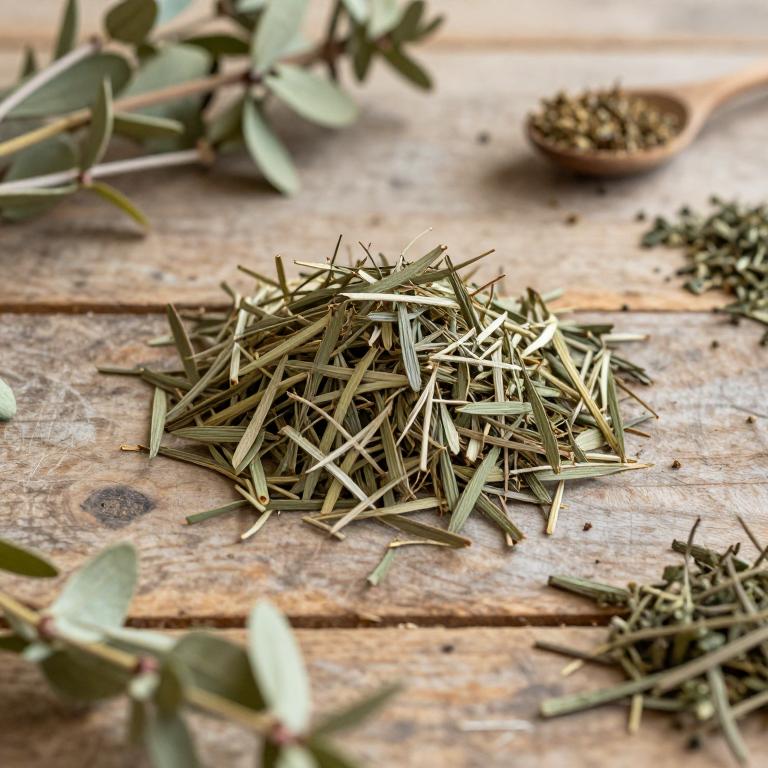
Names and Synonyms
Scientific Names
Accepted name
PongamiaSources: Wikidata, Catalogue of Life
Taxonomical Classification
This plant belongs to the kingdom Plantae and is classified under the phylum Streptophyta within the class Equisetopsida. It is further categorized under the subclass Magnoliidae and the order Fabales. Finally, it is a member of the Fabaceae family within the genus Pongamia.
| Rank | Classification |
|---|---|
| Kingdom | Plantae |
| Phylum | Streptophyta |
| Class | Equisetopsida |
| Subclass | Magnoliidae |
| Order | Fabales |
| Family | Fabaceae |
| Genus | Pongamia |
Sources: The World Checklist of Vascular Plants (WCVP)
Distribution
This plant exhibits a broad geographical distribution across several key regions within the African continent. In Northern Africa, its presence is noted specifically in Egypt. It also thrives in West-Central Tropical Africa, particularly within the DR Congo. The species can be found stretching across Northeast Tropical Africa, covering both Sudan and South Sudan. Finally, its range extends through East Tropical Africa, encompassing both Tanzania and Uganda.
| Region | Area |
|---|---|
| Northern Africa | Egypt |
| West-Central Tropical Africa | DR Congo |
| Northeast Tropical Africa | Sudan-South Sudan |
| East Tropical Africa | Tanzania |
| East Tropical Africa | Uganda |
| Western Indian Ocean | Comoros |
| Western Indian Ocean | Mauritius |
| Western Indian Ocean | Réunion |
| Western Indian Ocean | Rodrigues |
| China | Hainan |
Sources: The World Checklist of Vascular Plants (WCVP)
Plant Parts
Pongamia has 2 reported plant parts identified across 3 scientific publications and several other databases that are studied for medicinal purposes. The most consistently reported plant part include seed, flower.
| Plant part | Supporting sources | Consensus |
|---|---|---|
| Seed | 2 supporting sources | ★☆☆☆☆ |
| Flower | 1 supporting sources | ★☆☆☆☆ |
Seed
- Journal of environmental management
- Mini reviews in medicinal chemistry
Flower
- Journal of environmental management
Chemicals
Pongamia has 3 reported phytochemicals identified across 3 scientific publications and several other databases. The most consistently reported chemicals include Coumarins, Glycosides, Isoflavones.
| Chemical | Supporting sources | Consensus |
|---|---|---|
| Coumarins | 1 supporting sources | ★☆☆☆☆ |
| Glycosides | 1 supporting sources | ★☆☆☆☆ |
| Isoflavones | 1 supporting sources | ★☆☆☆☆ |
Coumarins
- Mini reviews in medicinal chemistry
Glycosides
- Mini reviews in medicinal chemistry
Isoflavones
- Mini reviews in medicinal chemistry
Activities
Pongamia has 4 reported activities identified across 3 scientific publications and several other databases. The most consistently reported activities include Antibacterial, Anticancer, Antifungal, Antihyperglycemic.
| Activity | Supporting sources | Consensus |
|---|---|---|
| Antibacterial | 1 supporting sources | ★☆☆☆☆ |
| Anticancer | 1 supporting sources | ★☆☆☆☆ |
| Antifungal | 1 supporting sources | ★☆☆☆☆ |
| Antihyperglycemic | 1 supporting sources | ★☆☆☆☆ |
Antibacterial
- Mini reviews in medicinal chemistry
Anticancer
- Mini reviews in medicinal chemistry
Antifungal
- Mini reviews in medicinal chemistry
Antihyperglycemic
- Mini reviews in medicinal chemistry
Preparations
Pongamia has 1 reported preparations identified across 3 scientific publications and several other databases. The most consistently reported preparations include oil.
| Preparation | Supporting sources | Consensus |
|---|---|---|
| Oil | 1 supporting sources | ★☆☆☆☆ |
Oil
- Journal of environmental management