Pongamia pulchra
Pongamia pulchra · Accepted scientific name
Scientific literature: Very Sparse (3 studies) · ★☆☆☆☆
Pongamia pulchra is a botanical species recognized for its significant therapeutic potential in traditional medicine. Various parts of the plant, specifically the root and stem, serve as the primary sources for medicinal preparations. Scientific studies have focused on the ethanol extract of the stem (EMP) and aqueous preparations to evaluate its biological effects. These extracts demonstrate promising pharmacological activities, including analgesic, antidepressant, and anti-inflammatory properties. Consequently, the plant shows great promise in managing medical conditions such as depression, inflammation, and insomnia.
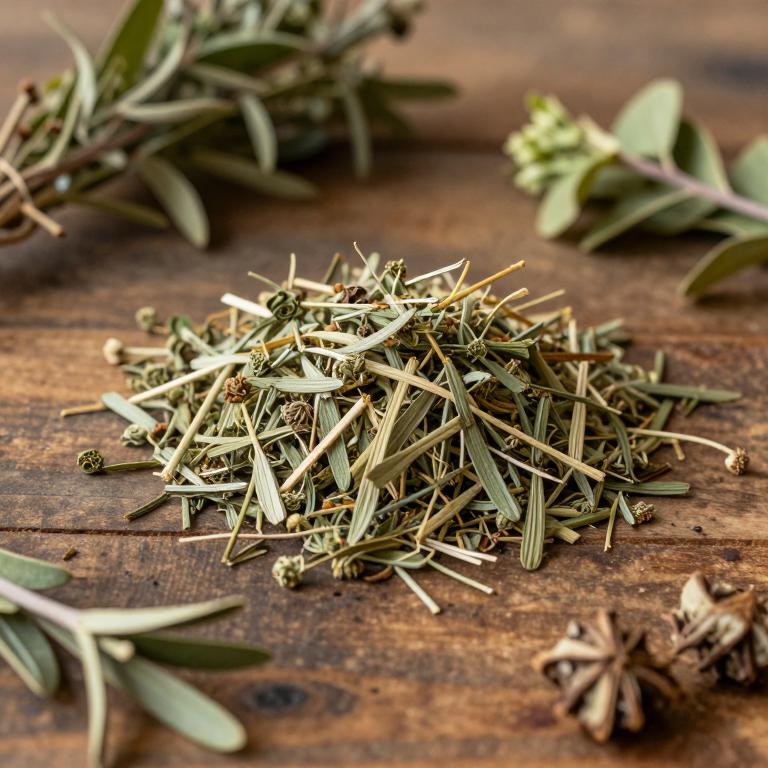
- Synonyms
- Mundulea Pulchra · Phaseoloides Pulchrum · 2 more
- Common names
- Not available
- Family
- Fabaceae
- Distribution
- Not available
- Plant Parts
- Root · Stem
Classification
Synonyms
Pongamia pulchra is a botanical species that has been classified under several different names throughout scientific history. Due to various taxonomic shifts, it is recognized by the synonym Dalbergia pulchra in certain academic contexts. Researchers may also encounter this plant listed as Millettia pulchra depending on the specific botanical framework being used. Furthermore, the species is documented under the name Mundulea pulchra within various herbarium records. Finally, the nomenclature Phaseoloides pulchrum serves as another valid synonym for this versatile plant.
Sources: The World Checklist of Vascular Plants (WCVP)
Taxonomy
Pongamia pulchra belongs to the diverse kingdom Plantae, representing a unique branch of the natural world. Within this vast kingdom, the species is classified under the class Equisetopsida. It further descends through the order Fabales, placing it among a specific group of flowering plants. This botanical lineage continues into the family Fabaceae, known for its significant ecological contributions. Ultimately, the plant is identified by its specific genus, Pongamia, which defines its unique biological characteristics.
| Rank | Classification |
|---|---|
| Kingdom | Plantae |
| Phylum | Streptophyta |
| Class | Equisetopsida |
| Subclass | Magnoliidae |
| Order | Fabales |
| Family | Fabaceae |
| Genus | Pongamia |
Sources: The World Checklist of Vascular Plants (WCVP)
Distribution
Geographic Regions
Pongamia pulchra exhibits a diverse geographical range that spans both temperate and tropical regions of Asia. In China, this species is widely distributed across the South-Central and Southeast territories, as well as the island of Hainan. Its presence extends further into Eastern Asia, where it can be found growing in Taiwan. Additionally, the plant thrives within the tropical climate of the Indian Subcontinent, specifically in the Assam region. This broad distribution highlights the adaptability of the species across varying Asian landscapes.
Sources: The World Checklist of Vascular Plants (WCVP)
Identification
Biological Activities
Pongamia pulchra, also known as Millettia pulchra, demonstrates a diverse range of therapeutic properties through its various extracts and isolated compounds. Scientific investigations have confirmed that ethanol extracts from the plant stem possess significant anti-inflammatory and analgesic activities. Specifically, these extracts have been shown to reduce edema and effectively relieve pain in multiple experimental models. Beyond physical discomfort, the plant also exhibits potent antidepressant effects, particularly through the action of its unique polysaccharides. Research indicates that these compounds can ameliorate depression-like behaviors by modulating gut microbiota and restoring essential neurotransmitter levels.
Compounds
Pongamia pulchra, also known as Millettia pulchra, has long been utilized in folk medicine for its ability to manage inflammation. Recent scientific investigations into the plant's stem extract have successfully demonstrated significant analgesic and anti-inflammatory activities. A key component identified during this research is Lanceolatin B, which was isolated from the ethanol extract. This specific compound showed the highest capacity to inhibit nitric oxide synthesis among the various substances tested. Ultimately, Lanceolatin B works by reducing several key inflammatory markers, providing a clear scientific basis for the plant's medicinal properties.
Conditions
Pongamia pulchra, also identified as Millettia pulchra, demonstrates significant medicinal potential through its ability to treat inflammation and reduce various forms of physical distress. Research indicates that its ethanol extract effectively treats acetic acid-induced pain as well as pain measured in the hot plate test. Furthermore, the plant's polysaccharides offer therapeutic benefits by helping to treat depression and insomnia. These diverse biological activities are supported by the plant's capacity to modulate gut microbiota and suppress inflammatory markers. Consequently, the species serves as a multifaceted natural remedy for managing both neurological and physiological conditions.
Preparations
Pongamia pulchra is utilized in various medicinal preparations, including its use as a root. This root is specifically prepared as YLS, which has been traditionally employed in folk medicine to treat depression and insomnia. Additionally, the plant is prepared as an ethanol extract of the stem of M. pulchra, referred to as EMP. This EMP preparation has demonstrated significant anti-inflammatory and analgesic activities in scientific studies. Together, these different preparations of Pongamia pulchra highlight its diverse therapeutic potential in managing both neurological and inflammatory conditions.
Parts used
Pongamia pulchra, also identified in research as Millettia pulchra, serves as a significant source of bioactive compounds used in traditional folk medicine. The root of this plant contains unique polysaccharides, such as YLP-1, which have demonstrated potential in ameliorating depression-like behaviors and modulating gut microbiota. Furthermore, the stem of the plant provides ethanol extracts that exhibit notable anti-inflammatory and analgesic properties. Studies show that compounds isolated from the stem can effectively reduce inflammation by inhibiting various pro-inflammatory mediators and signaling pathways. Together, these various parts of the plant highlight its diverse therapeutic potential in managing both neurological and inflammatory conditions.