Polystichum pungens
Polystichum pungens · Accepted scientific name
Scientific literature: Very Sparse (0 studies) · ★☆☆☆☆
Polystichum pungens, commonly known as the western sword fern, is a resilient species frequently utilized in ethnobotanical studies. Research has focused on the plant's potential therapeutic properties, particularly regarding its application to wounds. Scientists have investigated these medicinal effects through the use of specialized chemical preparations. Specifically, studies examine the biological activities found within both acetone extract and methanol extracts. Understanding these chemical profiles provides insight into how the fern might assist in the healing process.
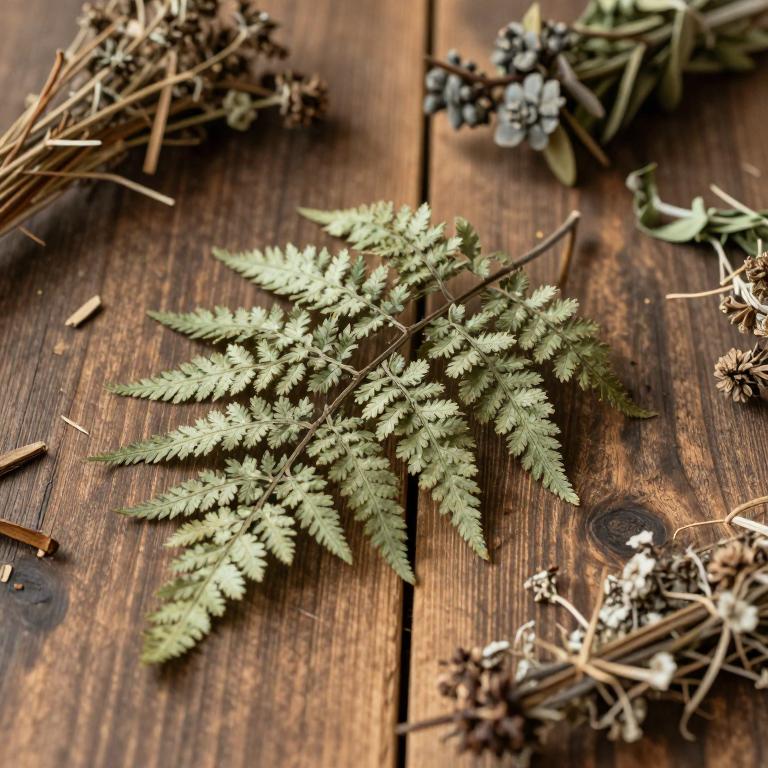
- Synonyms
- Aspidium Capense · Dryopteris Pungens
- Common names
- Not available
- Family
- Polypodiaceae
- Distribution
- Africa
- Plant Parts
- Not available
Classification
Common Names
Polystichum pungens is a resilient fern that is known by several distinct names depending on the region. It is widely recognized by its common name, the Forest Shield Fern, reflecting its natural habitat. Many enthusiasts also refer to the plant as the Prickly Shieldfern due to its textured foliage. In certain areas, you might even encounter it called the woud skildvaring. Regardless of the name used, this plant remains a striking feature of the woodland floor.
Sources: Catalogue of Life (COL)
Synonyms
Polystichum pungens is a botanical species that has been documented under several different scientific names throughout history. Due to shifting taxonomic classifications, it is recognized by the synonyms Aspidium capense and Aspidium pungens. Researchers have also historically identified this plant as Dryopteris pungens in various botanical studies. These overlapping nomenclatures reflect the evolving nature of plant identification and evolutionary grouping. Understanding these various synonyms is essential for ensuring accuracy in scientific literature and field observations.
Sources: The World Checklist of Vascular Plants (WCVP)
Taxonomy
Polystichum pungens is a distinct species that belongs to the kingdom Plantae. Within this vast biological kingdom, it is classified under the class Equisetopsida. Its taxonomic journey continues through the order Polypodiales, which connects it to many other ferns. Furthermore, this plant is a member of the family Polypodiaceae, showcasing its evolutionary lineage. Finally, it is nested within the genus Polystichum, defining its specific botanical identity.
| Rank | Classification |
|---|---|
| Kingdom | Plantae |
| Phylum | Streptophyta |
| Class | Equisetopsida |
| Subclass | Polypodiinae |
| Order | Polypodiales |
| Family | Polypodiaceae |
| Genus | Polystichum |
Sources: The World Checklist of Vascular Plants (WCVP)
Distribution
Geographic Regions
Polystichum pungens is a resilient plant species found throughout various regions of Southern Africa. Its natural distribution extends across the Cape Provinces and into the lush landscapes of KwaZulu-Natal. The species also thrives within the borders of Eswatini, showcasing its adaptability to different environments. Furthermore, it can be located within the Free State and the Northern Provinces of the continent. This widespread presence highlights the significant ecological footprint the plant maintains across the southern portion of Africa.
Sources: The World Checklist of Vascular Plants (WCVP)
Identification
Morphology
Polystichum pungens is characterized by its distinct herb growth form. As a self-supporting plant, it maintains its structural integrity without the need for external assistance. Its physical stature typically ranges from a minimum height of 0.34 m to a maximum of 0.55 m. These dimensions contribute to its unique presence within its natural habitat.
Sources: Global Inventory of Floras and Traits (GIFT)
Biological Activities
Compounds
Conditions
Polystichum pungens is recognized as one of the most commonly used medicinal plants for the treatment of wounds in the Eastern Cape Province of South Africa. Research indicates that methanol extracts of this species demonstrate significant antibacterial activity against both gram-positive and gram-negative bacteria. Additionally, the acetone extract of the plant has been shown to inhibit gram-positive bacteria specifically. These antibacterial properties provide scientific justification for its traditional use in managing wound infections. Consequently, the plant plays a vital role in local primary health care through its ability to combat bacterial contamination in wounds.
Preparations
Polystichum pungens is prepared as both acetone and methanol extracts for testing purposes. The methanol extracts of this plant demonstrate significant inhibition against both gram-positive and gram-negative bacteria. In contrast, the acetone extract of Polystichum pungens only inhibits gram-positive bacteria. These specific preparation methods allow for the assessment of the plant's antibacterial properties. Consequently, the efficacy of these extracts helps justify the traditional use of the species for wound treatment.