Polypodium
Polypodium · Accepted scientific name
Scientific literature: Very Sparse (0 studies) · ★☆☆☆☆
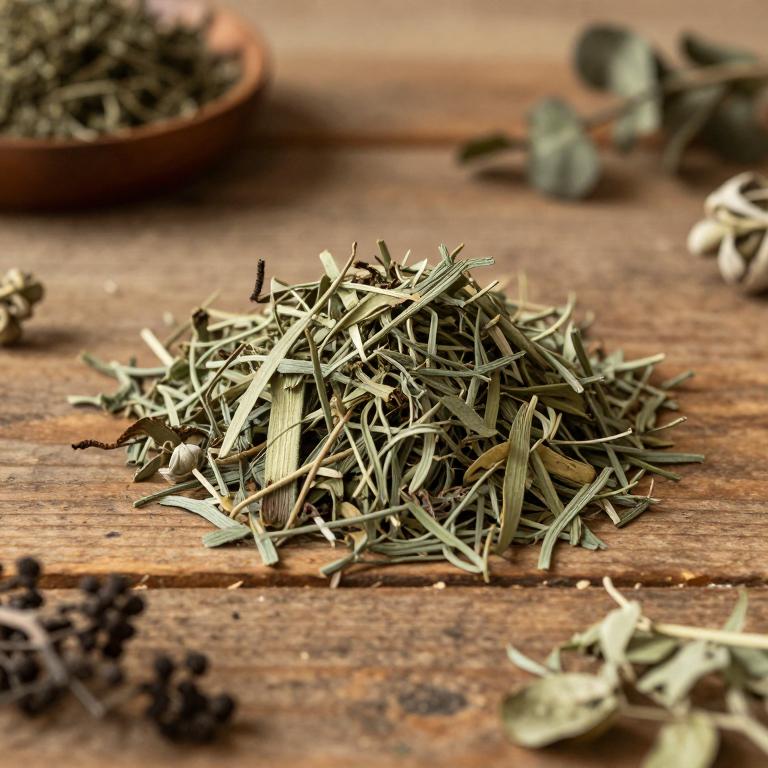
Polypodium is a fascinating genus of plants known for harboring a diverse array of bioactive compounds. It is particularly rich in beneficial chemicals such as bioflavonoids, procyanidins, and catechins. These natural constituents contribute to the plant's complex pharmacological profile and overall health potential. Recent research has highlighted the plant's significant neuroprotective effects, suggesting it may support brain health. Understanding these properties makes Polypodium a subject of great interest in the study of natural neurotherapy.
- Synonyms
- Not available
- Common names
- Not available
- Family
- Polypodiaceae
- Distribution
- Not available
- Plant Parts
- Not available
Classification
Common Names
Polypodium is a diverse genus of ferns known by several distinct names across different cultures and languages. In certain regions, you might encounter it referred to as Eikvaren or the broader group known as Engelsødslægten. It is also frequently called Engelsød or Laufale, depending on the local botanical tradition. In Spanish-speaking areas, these plants are commonly recognized as Helechos milpiés or polipodios. Understanding these various common names helps enthusiasts identify this fascinating plant regardless of their linguistic background.
Sources: Catalogue of Life (COL)
Taxonomy
Polypodium belongs to the vast kingdom Plantae, representing a diverse group of multicellular organisms. Within this kingdom, it is classified under the class Equisetopsida, which encompasses various fern species. This plant further falls into the order Polypodiales, a lineage defined by specific evolutionary traits. It is a central member of the genus Polypodium, which serves as its primary scientific identifier. Finally, this genus is nested within the family Polypodiaceae, showcasing its unique botanical relationships.
| Rank | Classification |
|---|---|
| Kingdom | Plantae |
| Phylum | Streptophyta |
| Class | Equisetopsida |
| Subclass | Polypodiinae |
| Order | Polypodiales |
| Family | Polypodiaceae |
| Genus | Polypodium |
Sources: The World Checklist of Vascular Plants (WCVP)
Distribution
Geographic Regions
Polypodium exhibits a wide geographic range that spans across several key regions of the African continent. Its distribution includes the diverse landscapes of Macaronesia, reaching specifically into the Azores, the Canary Islands, and Madeira. Within the African mainland, the species is notably present throughout Northern Africa. More localized populations can be found within the borders of Algeria and Libya. This broad presence highlights the plant's ability to thrive in various Mediterranean and Atlantic environments.
Sources: The World Checklist of Vascular Plants (WCVP)
Identification
Biological Activities
Compounds
Polypodium species stand out in recent phytochemical research due to their remarkable chemical diversity and potential neuroprotective benefits. These ferns are characterized by a rich profile of major phenolic components that contribute to their biological activity. Specifically, the genus is known to contain bioflavonoids, which play a significant role in its unique chemical makeup. Additionally, the presence of procyanidins further distinguishes the plant's complex secondary metabolites. The inclusion of catechins also highlights the specialized chemical moieties that make Polypodium a subject of intense scientific interest.
Conditions
Polypodium species demonstrate significant potential in providing neuroprotective effects through their unique chemical composition. These ferns contain major phenolic components, including catechins, procyanidins, and bioflavonoids, which contribute to their health-promoting properties. Such specialized chemical moieties are essential to the plant's ability to support neurological health. By leveraging this chemical diversity, Polypodium serves as a notable subject in the study of functional dietary supplements. The presence of these bioactive compounds underscores the plant's specific role in neuroprotection.