Polypodium glycyrrhiza
Polypodium glycyrrhiza · Accepted scientific name
Scientific literature: Very Sparse (0 studies) · ★☆☆☆☆
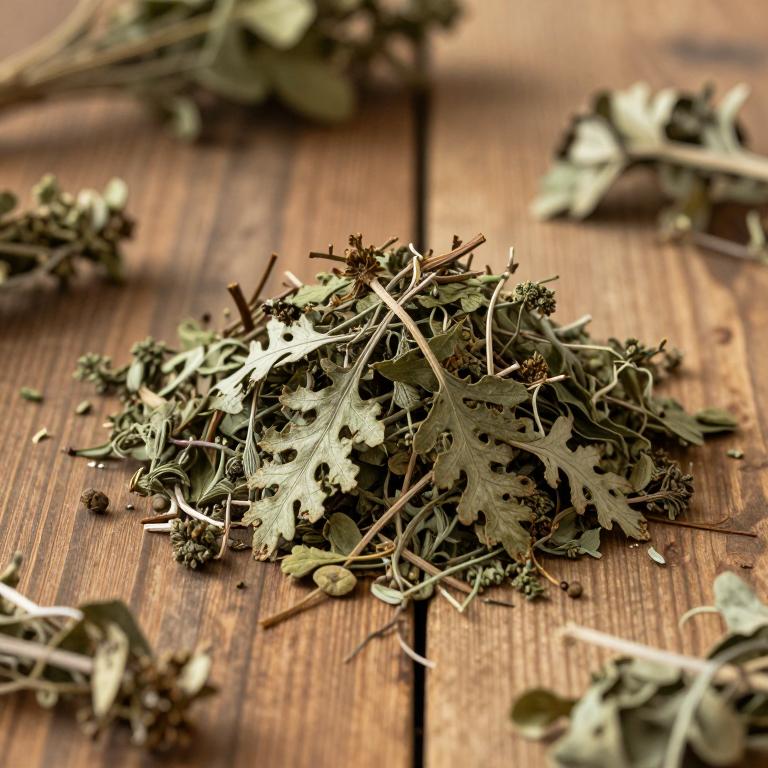
Polypodium glycyrrhiza is a distinctive plant species often recognized for its unique botanical properties. In various traditional practices, this plant is valued for its specific biological characteristics. To harness its full potential, practitioners frequently utilize concentrated extracts for therapeutic purposes. These preparations allow for a standardized approach to incorporating the plant's essence into different wellness routines. Understanding its applications begins with recognizing the importance of these refined extracts.
- Synonyms
- Polypodium Aleuticum · Polypodium Occidentale · 4 more
- Common names
- Not available
- Family
- Polypodiaceae
- Distribution
- Not available
- Plant Parts
- Not available
Classification
Common Names
Polypodium glycyrrhiza is a distinctive fern recognized by a variety of names across different languages and regions. In English-speaking areas, it is most commonly referred to as the licorice fern or licorice fern. Its sweet association is reflected in its Spanish common name, Helecho de Regaliz, and its French name, polypode réglisse. In Lithuania, this plant is known locally as saldžiašaknė šertvė. These diverse linguistic labels highlight the plant's widespread presence and its unique botanical identity.
Sources: Catalogue of Life (COL)
Synonyms
Polypodium glycyrrhiza is a botanical taxon that is associated with several important taxonomic synonyms. This species has been historically referred to in scientific literature as Polypodium aleuticum and Polypodium occidentale. Furthermore, it shares a complex relationship with various forms of the common polypody, including Polypodium vulgare f. commune and Polypodium vulgare var. commune. The classification also encompasses the subspecies designation Polypodium vulgare subsp. occidentale. Understanding these overlapping names is essential for researchers navigating the evolving nomenclature of this plant.
Sources: The World Checklist of Vascular Plants (WCVP)
Taxonomy
Polypodium glycyrrhiza belongs to the vast kingdom Plantae, representing the diverse world of living vegetation. Within this kingdom, it is classified under the class Equisetopsida, marking its place among the ferns. Its evolutionary lineage continues through the order Polypodiales, which defines its structural characteristics. This species is further nested within the genus Polypodium, a group of closely related plants. Finally, it finds its specific botanical home within the family Polypodiaceae.
| Rank | Classification |
|---|---|
| Kingdom | Plantae |
| Phylum | Streptophyta |
| Class | Equisetopsida |
| Subclass | Polypodiinae |
| Order | Polypodiales |
| Family | Polypodiaceae |
| Genus | Polypodium |
Sources: The World Checklist of Vascular Plants (WCVP)
Distribution
Geographic Regions
Polypodium glycyrrhiza exhibits a diverse geographical range that spans across both the Asian and North American continents. In Asia, this species is commonly found within temperate regions, including the Russian Far East and Kamchatka. Its presence in North America is particularly notable throughout the Pacific Northwest, specifically within the states of Idaho, Oregon, and Washington. Additionally, the plant extends its reach into the Southwestern United States, where it can be located in California. This widespread distribution highlights the plant's ability to adapt to various ecological niches across the northern hemisphere.
Sources: The World Checklist of Vascular Plants (WCVP)
Identification
Morphology
Polypodium glycyrrhiza is characterized by its distinct herb growth form. This plant is entirely self-supporting, allowing it to maintain its structure within its natural habitat.
Sources: Global Inventory of Floras and Traits (GIFT)
Biological Activities
Compounds
Conditions
Polypodium glycyrrhiza is identified as one of the specific medicinal plants that exhibits antiviral activity. According to the screening of British Columbian plant extracts, this plant demonstrates effectiveness against herpesvirus type 1. It is grouped with several other extracts that successfully showed inhibitory properties against this particular virus. The study highlights its potential as a natural agent for managing herpesvirus type 1 infections. Consequently, the extracts of this plant serve as a significant finding in the search for antiviral botanical resources.
Preparations
Polypodium glycyrrhiza is prepared as extracts to facilitate various medicinal applications. In recent antiviral screening studies, these specific preparations were tested for their biological efficacy. The research indicates that extracts derived from this plant exhibit measurable antiviral activity. Specifically, the preparation demonstrated effectiveness against herpesvirus type 1. This process of creating extracts allows the plant's properties to be utilized in concentrated pharmacological evaluations.