Polygonum hyrcanicum
Polygonum hyrcanicum · Accepted scientific name
Scientific literature: Very Sparse (5 studies) · ★☆☆☆☆
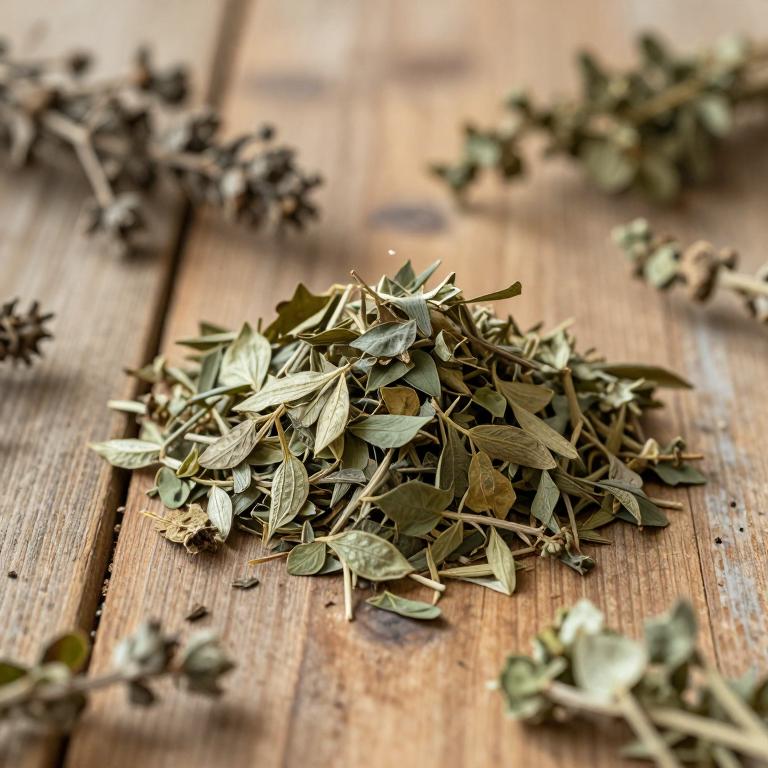
, scientifically known as Polygonum hyrcanicum, is a versatile medicinal herb valued in traditional healing systems. Often found in diverse ecological zones, this plant contains bioactive compounds known for their anti-inflammatory and antioxidant properties. It is frequently utilized in herbal remedies to support various physiological functions and promote overall wellness.
- Family
- Polygonaceae
- Native range
- Asia-Temperate
- Parts used
- Not available
- Common names
- Not available
- Scientific synonyms
- Not available
Names and Synonyms
Scientific Names
Accepted name
Polygonum hyrcanicumSources: Wikidata, Catalogue of Life
Taxonomical Classification
This plant belongs to the kingdom Plantae and the phylum Streptophyta, placing it within the class Equisetopsida and subclass Magnoliidae. It is further classified under the order Caryophyllales and the family Polygonaceae. Finally, it is identified by the genus Polygonum.
| Rank | Classification |
|---|---|
| Kingdom | Plantae |
| Phylum | Streptophyta |
| Class | Equisetopsida |
| Subclass | Magnoliidae |
| Order | Caryophyllales |
| Family | Polygonaceae |
| Genus | Polygonum |
Sources: The World Checklist of Vascular Plants (WCVP)
Distribution
This plant exhibits a specific geographical distribution concentrated within certain regions of Western Asia and the Caucasus. It can be found growing naturally throughout the Transcaucasus area. Furthermore, its presence is well-documented across the expansive territory of Iran. These specific locations define its primary ecological range within the Middle East. Consequently, its habitat is primarily limited to these particular mountainous and continental zones.
| Region | Area |
|---|---|
| Caucasus | Transcaucasus |
| Western Asia | Iran |
Sources: The World Checklist of Vascular Plants (WCVP)
Chemicals
Polygonum hyrcanicum has 2 reported phytochemicals identified across 0 scientific publications and several other databases. The most consistently reported chemicals include Gallic acid, quercetin.
| Chemical | Supporting sources | Consensus |
|---|---|---|
| Gallic acid | 1 supporting sources | ★☆☆☆☆ |
| quercetin | 1 supporting sources | ★☆☆☆☆ |
Gallic acid
- Scientific reports
quercetin
- Scientific reports
Conditions
Polygonum hyrcanicum has 3 reported investigations on conditions identified across 0 scientific publications and several other databases. The most consistently reported conditions include Diabetic nephropathy, inflammation, oxidative stress.
| Condition | Supporting sources | Consensus |
|---|---|---|
| Diabetic nephropathy | 1 supporting sources | ★☆☆☆☆ |
| Inflammation | 1 supporting sources | ★☆☆☆☆ |
| Oxidative stress | 1 supporting sources | ★☆☆☆☆ |
Diabetic nephropathy
- Scientific reports
Inflammation
- Scientific reports
Oxidative stress
- Scientific reports