Polygonatum odoratum var. odoratum
Polygonatum odoratum var. odoratum · Accepted scientific name
Scientific literature: Very Sparse (0 studies) · ★☆☆☆☆
Polygonatum odoratum var. odoratum is a perennial herb known for its medicinal potential in traditional practices. Recent scientific investigations have focused on the therapeutic properties of its underground rhizome. Specifically, researchers have utilized methanol extract to isolate the plant's bioactive compounds. These studies suggest that the extract may play a significant role in modulating metabolic functions. Most notably, current evidence indicates its potential effectiveness in improving insulin sensitivity.
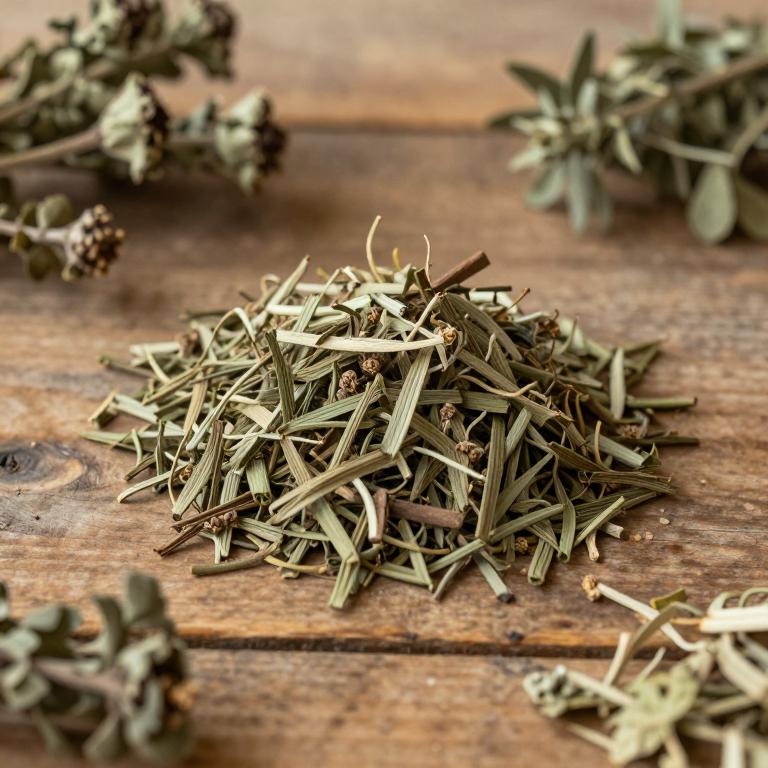
- Synonyms
- Polygonatum Odoratum Var. Ambiguum · Polygonatum Gussonei · 25 more
- Common names
- Not available
- Family
- Asparagaceae
- Distribution
- Africa
- Plant Parts
- Rhizome
Classification
Common Names
Polygonatum odoratum var. odoratum is a distinctive plant known by its common Japanese name, Usubaamadokoro. This specific variety belongs to the Solomon's seal family and is cherished for its elegant, drooping white flowers. In botanical circles, understanding these taxonomic relationships helps enthusiasts identify the subtle nuances between different cultivars. The name Usubaamadokoro reflects its cultural significance and traditional place within local landscapes. Recognizing these connections provides a deeper appreciation for the plant's unique identity and natural history.
Sources: Catalogue of Life (COL)
Synonyms
Polygonatum odoratum var. odoratum is a botanical subject that carries several complex taxonomic synonyms. Within various scientific records, this specific variety is frequently identified as Convallaria angulosa. It is also closely associated with the name Convallaria broteri in certain botanical classifications. Furthermore, the plant has been linked to Convallaria compressa and Convallaria obtusifolia throughout different studies. Finally, researchers may also encounter this variety listed under the synonym Convallaria parviflora.
Sources: The World Checklist of Vascular Plants (WCVP)
Taxonomy
Polygonatum odoratum var. odoratum is a distinctive species belonging to the kingdom Plantae. Within this vast botanical realm, it is specifically classified under the class Equisetopsida. Its taxonomic journey continues through the order Asparagales, showcasing its evolutionary connections. The plant is further defined by its membership in the family Asparagaceae. Finally, it finds its place within the specialized genus Polygonatum.
| Rank | Classification |
|---|---|
| Kingdom | Plantae |
| Phylum | Streptophyta |
| Class | Equisetopsida |
| Subclass | Magnoliidae |
| Order | Asparagales |
| Family | Asparagaceae |
| Genus | Polygonatum |
Sources: The World Checklist of Vascular Plants (WCVP)
Distribution
Geographic Regions
Polygonatum odoratum var. odoratum exhibits a fascinating geographical range that spans across multiple continents and diverse climates. This variety is notably found within parts of Africa, including specific regions throughout Morocco. Its presence extends deep into the Asia-Temperate zone, where it thrives in the Caucasus and across Central Asia in Kazakhstan. In East Asia, the plant is well-established throughout various territories in China, ranging from the north-central provinces to the southeast. This wide distribution highlights the plant's ability to adapt to a variety of unique ecological landscapes.
Sources: The World Checklist of Vascular Plants (WCVP)
Identification
Biological Activities
Compounds
Conditions
Polygonatum odoratum var. odoratum treats blood glucose levels through various hypoglycemic actions. Specifically, the plant treats blood glucose of normal mice by reducing their levels following administration. It also effectively treats blood glucose of streptozotocin-induced diabetic mice, significantly lowering their sugar concentrations. Furthermore, the plant treats epinephrine-induced hyperglycemia in mice to help regulate glucose. Through these mechanisms, Polygonatum odoratum var. odoratum treats blood glucose level across different physiological states.
Preparations
Polygonatum odoratum var. odoratum is prepared as a methanol extract according to the specific research parameters. This extraction process is utilized to study the biological properties and therapeutic potential of the plant's rhizomes. By using a methanol solvent, researchers can isolate specific bioactive compounds within the specimen. Such preparation is essential for conducting controlled pharmacological investigations on the plant material. Consequently, the resulting methanol extract serves as the primary medium for evaluating its physiological effects.
Parts used
Polygonatum odoratum var. odoratum is a plant species characterized by the presence of the rhizome as a vital anatomical part. While research often focuses on related species like Polygonatum officinale, the importance of the rhizome remains a central theme in botanical studies. For instance, the rhizomes of closely related varieties are frequently utilized as planting materials for high-yield cultivation. Furthermore, these rhizomes have demonstrated significant medicinal potential, particularly regarding their hypoglycemic effects in various animal models. Understanding these morphological structures is essential for both effective agricultural practices and pharmacological exploration.