Polygonatum geminiflorum
Polygonatum geminiflorum · Accepted scientific name
Scientific literature: Very Sparse (2 studies) · ★☆☆☆☆
, scientifically known as Polygonatum geminiflorum, is a distinctive perennial herb valued in traditional medicine. Characterized by its twin-flowered clusters, this plant is rich in saponins and polysaccharides. It is frequently utilized for its tonic properties, helping to nourish the body, soothe the lungs, and support overall vitality.
- Family
- Not available
- Native range
- Asia-Tropical
- Parts used
- Leaf
- Common names
- Not available
- Scientific synonyms
- Not available
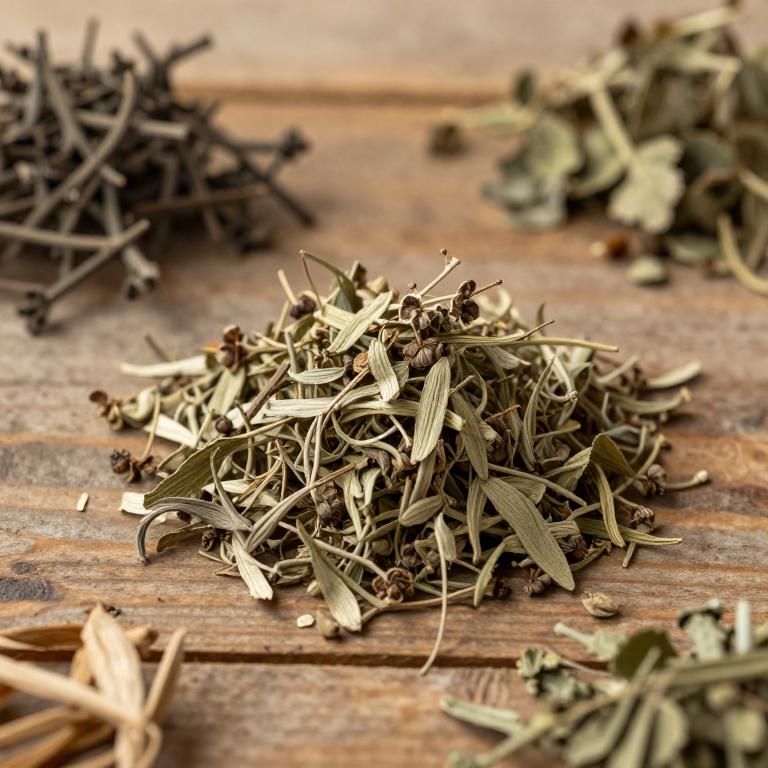
Names and Synonyms
Scientific Names
Accepted name
Polygonatum geminiflorumDistribution
This plant exhibits a specific geographical range within the vast Indian Subcontinent. Its natural habitat is primarily concentrated in the West Himalaya region. Additionally, the species can be found growing in the territories of Pakistan. These locations represent the known environmental boundaries for its survival and growth. Therefore, its distribution is limited to these particular high-altitude or mountainous zones.
| Region | Area |
|---|---|
| Indian Subcontinent | Pakistan |
| Indian Subcontinent | West Himalaya |
Sources: The World Checklist of Vascular Plants (WCVP)
Botanical Identification
Ecology
The ecology of Polygonatum geminiflorum is characterized by its preference for high-altitude montane and subalpine environments, typically thriving within shaded, moist forest understories or along rocky slopes where organic matter is abundant. This species is specifically adapted to specialized niche habitats that maintain consistent moisture levels and moderate temperatures. A defining ecological parameter for this plant is its elevational range, which centers around a mean elevation of 2000 m AMSL. Within these high-elevation zones, the plant interacts with cool-temperate microclimates, often growing in association with mosses, ferns, and other shade-tolerant flora that flourish in the nutrient-rich leaf litter of mountain ecosystems.
- Elevational range mean:
- 2000 m AMSL
Life history
The life history of Polygonatum geminiflorum is characterized by its classification as a cryptophyte, specifically functioning as a geophyte, which dictates its survival strategy through specialized underground structures. As a geophyte, the plant relies on perennial storage organs, such as rhizomes, to endure unfavorable environmental conditions or seasonal dormancy. This life form allows the species to remain protected beneath the soil surface, where it can effectively withstand periods of temperature extremes or drought by retreating to its subterranean parts. During the favorable growing seasons, it emerges from these underground reserves to complete its vegetative and reproductive cycles, utilizing its stored energy to support rapid development and flowering before returning to a state of dormancy.
- Life form :
- geophyte
- Life form :
- cryptophyte
Morphology
The morphology of Polygonatum geminiflorum is characterized by its growth form as a herbaceous plant, lacking any woody structure and possessing a non-woody stem composition. As a terrestrial species, it grows directly in the soil rather than acting as an epiphyte, and it functions as an independent organism without parasitic tendencies. While it exhibits a self-supporting habit, it does not require external structures for support, maintaining its upright or arching posture through its own structural integrity.
- Climber :
- self-supporting
- Epiphyte :
- terrestrial
- Growth form :
- herb
- Parasite :
- independent
- Woodiness :
- non-woody
Sources: Global Inventory of Floras and Traits (GIFT)
Plant Parts
Polygonatum geminiflorum has 1 reported plant parts identified across 1 scientific publications and several other databases that are studied for medicinal purposes. The most consistently reported plant part include leaf.
| Plant part | Supporting sources | Consensus |
|---|---|---|
| Leaf | 1 supporting sources | ★☆☆☆☆ |
Leaf
- Frontiers in bioengineering and biotechnology
Preparations
Polygonatum geminiflorum has 1 reported preparations identified across 1 scientific publications and several other databases. The most consistently reported preparations include aqueous extract.
| Preparation | Supporting sources | Consensus |
|---|---|---|
| Aqueous extract | 1 supporting sources | ★☆☆☆☆ |
Aqueous extract
- Frontiers in bioengineering and biotechnology