Polygala arenaria
Polygala arenaria · Accepted scientific name
Scientific literature: Very Sparse (0 studies) · ★☆☆☆☆
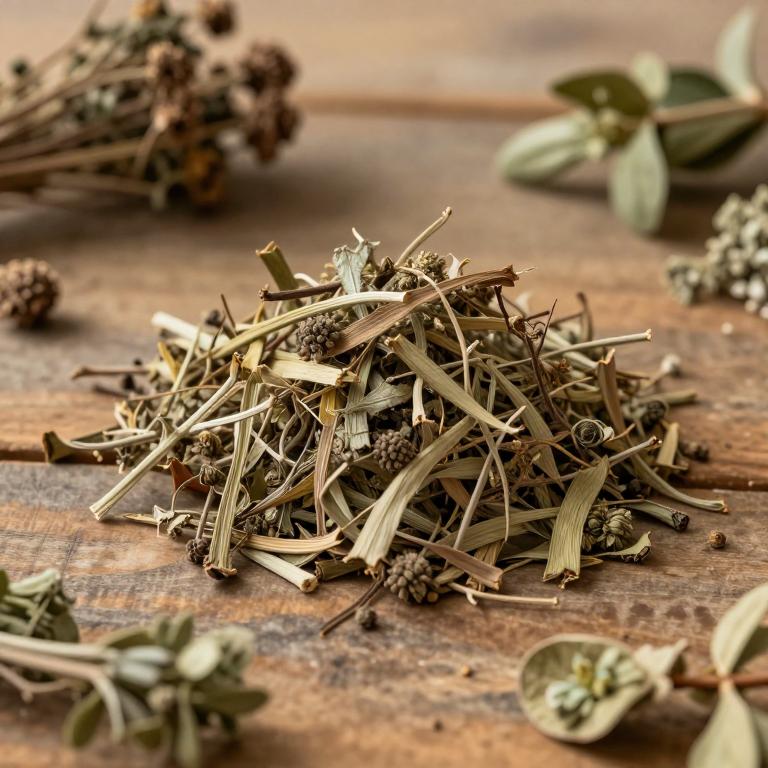
Polygala arenaria is a significant medicinal herb frequently studied for its diverse therapeutic potential. Researchers have focused extensively on the biological activity of its methanolic extracts to uncover new pharmacological benefits. This plant shows particular promise in the management of various cardiovascular diseases through its active compounds. Furthermore, it has demonstrated efficacy in treating gout by addressing underlying inflammatory processes. Beyond physical ailments, Polygala arenaria is also being investigated for its ability to alleviate symptoms associated with various mental disorders.
- Synonyms
- Polygala Nutans
- Common names
- Not available
- Family
- Polygalaceae
- Distribution
- Not available
- Plant Parts
- Not available
Classification
Synonyms
Polygala arenaria is a botanical species that is frequently encountered under a different scientific designation. In many taxonomic records, this plant is identified by the synonym Polygala nutans. Recognizing these overlapping names is essential for researchers seeking to maintain accurate botanical documentation. Such nomenclature shifts often occur as scientists refine their understanding of plant lineages and classifications. Consequently, whether labeled as P. arenaria or P. nutans, the biological identity remains the same.
Sources: The World Checklist of Vascular Plants (WCVP)
Taxonomy
Polygala arenaria is a distinct biological entity that belongs to the kingdom Plantae. Within this vast kingdom, it is classified under the class Equisetopsida. Moving deeper into its taxonomy, the plant is a member of the order Fabales. It further falls under the family Polygalaceae, which defines many of its structural characteristics. Ultimately, this species is identified by its specific genus, Polygala.
| Rank | Classification |
|---|---|
| Kingdom | Plantae |
| Phylum | Streptophyta |
| Class | Equisetopsida |
| Subclass | Magnoliidae |
| Order | Fabales |
| Family | Polygalaceae |
| Genus | Polygala |
Sources: The World Checklist of Vascular Plants (WCVP)
Distribution
Geographic Regions
Polygala arenaria is a plant species with a wide geographical range across the African continent. It is notably found within the East Tropical Africa region, specifically inhabiting the landscapes of Kenya, Tanzania, and Uganda. The species also extends its reach into Northeast Tropical Africa, where it can be located in Chad. Furthermore, its distribution continues into the diverse terrains of Ethiopia. This varied presence highlights the plant's ability to thrive across multiple distinct ecological zones in Africa.
Sources: The World Checklist of Vascular Plants (WCVP)
Identification
Morphology
Polygala arenaria is a delicate herb characterized by its modest and self-supporting growth form. This small plant typically reaches a maximum height of only 0.2 meters in most environments. In certain instances, it may stretch slightly further, approaching a peak height of approximately 0.3048 meters. Such a compact stature allows it to thrive within its specific ecological niche.
Sources: Global Inventory of Floras and Traits (GIFT)
Biological Activities
Compounds
Conditions
Polygala arenaria serves as a medicinal plant with significant therapeutic potential across several health conditions. Its methanolic extracts act as potential enzyme inhibitors, which supports its traditional use in treating cardiovascular diseases. Furthermore, the plant is utilized in the management of gout through these biochemical inhibitory activities. It also demonstrates effectiveness in the treatment of various mental disorders. Finally, Polygala arenaria provides relief in the clinical management of painful inflammations.
Preparations
Polygala arenaria is prepared as methanolic extracts to evaluate its potential enzymatic inhibitory effects. These extracts were specifically tested for their ability to inhibit Glutathione-s-transferase, Acetylcholinesterase, Carboxylesterase, and Xanthine Oxidase. During the study, this plant species demonstrated an inhibitory percentage of greater than 25% for these specific enzymes. The preparation of these methanolic extracts allows for the investigation of the plant's medicinal properties. Such testing confirms the potential of these extracts to support traditional uses in treating various diseases.