Pogostemon
Pogostemon · Accepted scientific name
Scientific literature: Very Sparse (0 studies) · ★☆☆☆☆
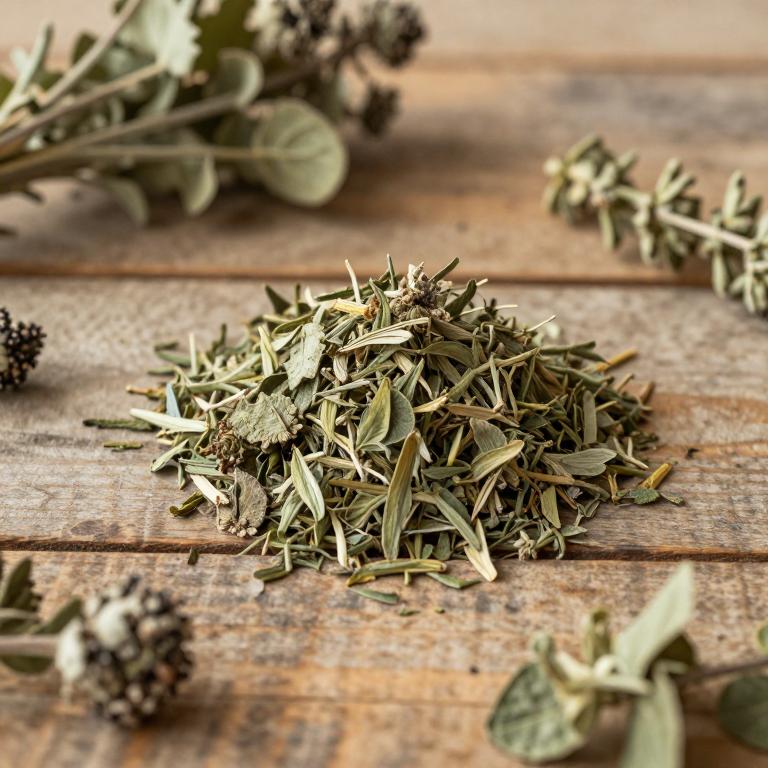
Pogostemon is a diverse genus of plants renowned for producing highly aromatic essential oils used globally in perfumery and traditional medicine. During the unprecedented challenges posed by the COVID-19 pandemic, interest in botanical remedies and natural wellness surged significantly. Many individuals turned to the soothing properties of plants like patchouli to manage stress and enhance their home environments. This renewed focus on herbal extracts highlighted the enduring relevance of the Pogostemon genus in holistic health practices. As the world navigated global health crises, these resilient plants offered a sense of aromatic comfort and natural solace.
- Synonyms
- Chotekia · Eusteralis · 2 more
- Common names
- Not available
- Family
- Lamiaceae
- Distribution
- Not available
- Plant Parts
- Not available
Classification
Common Names
Pogostemon is a versatile plant known by a wide variety of regional and traditional names. Depending on the local dialect or language, it is frequently referred to as Brodziec or Brvitec. In certain cultural contexts, the plant is also identified by the terms Büdösmenta and Patschuli. You may even encounter it listed under the phonetic spelling of patsulit in various botanical texts. These diverse monikers all point to the same aromatic species cherished across different parts of the world.
Sources: Catalogue of Life (COL)
Synonyms
Pogostemon is a diverse genus that has undergone significant taxonomic revisions over time. Due to these shifting classifications, several distinct botanical names are now recognized as synonyms for this group. Specifically, the names Chotekia and Dysophylla are often used interchangeably with the primary genus in older literature. Furthermore, researchers also classify Eusteralis and Wensea as synonyms within this complex botanical framework. Understanding these historical connections is essential for anyone studying the evolving relationships of these plants.
Sources: The World Checklist of Vascular Plants (WCVP)
Taxonomy
Pogostemon is a diverse genus that belongs to the vast kingdom Plantae. Within this biological classification, it is organized under the class Equisetopsida. The genus is further defined by its placement in the order Lamiales. Most notably, these plants are distinguished as members of the Lamiaceae family. Understanding these taxonomic relationships provides essential insight into the botanical identity of the Pogostemon genus.
| Rank | Classification |
|---|---|
| Kingdom | Plantae |
| Phylum | Streptophyta |
| Class | Equisetopsida |
| Subclass | Magnoliidae |
| Order | Lamiales |
| Family | Lamiaceae |
| Genus | Pogostemon |
Sources: The World Checklist of Vascular Plants (WCVP)
Distribution
Geographic Regions
Pogostemon exhibits a diverse distribution pattern across the African continent, spanning various tropical regions. In East Tropical Africa, the genus can be found within the landscapes of Tanzania. Its presence extends into Northeast Tropical Africa, specifically documented in Chad. Moving toward the southern reaches, the plant is widely distributed throughout South Tropical Africa. This wide range includes significant populations in Angola, Malawi, and Mozambique.
Sources: The World Checklist of Vascular Plants (WCVP)
Identification
Biological Activities
Compounds
Conditions
Pogostemon is recognized as a representative anti-COVID-19 herb used for both the prevention and treatment of the SARS-CoV-2 pandemic. This plant contains diverse medicinal compounds that possess favorable anti-COVID-19 activities. Research indicates that the extracts and specific compounds within Pogostemon exhibit distinct absorption, distribution, metabolism, excretion, and toxicity properties. Understanding these pharmacokinetic attributes is essential for optimizing the therapeutic outcomes of the plant in managing COVID-19. Consequently, studying these medicinal properties can help accelerate the clinical development of Pogostemon-based treatments.