Pogostemon plectranthoides
Pogostemon plectranthoides · Accepted scientific name
Scientific literature: Very Sparse (2 studies) · ★☆☆☆☆
, scientifically known as Pogostemon plectranthoides, is a significant medicinal shrub native to the tropical forests of Southeast Asia. Renowned for its potent bioactive compounds, this plant is traditionally utilized in various folk remedies to treat inflammatory conditions, skin ailments, and digestive issues, offering vast potential for modern pharmacology.
- Family
- Lamiaceae
- Native range
- Asia-Tropical
- Parts used
- Not available
- Common names
- Not available
- Scientific synonyms
- Ocimum Bengalense · Mentha Fruticosa · 1 more
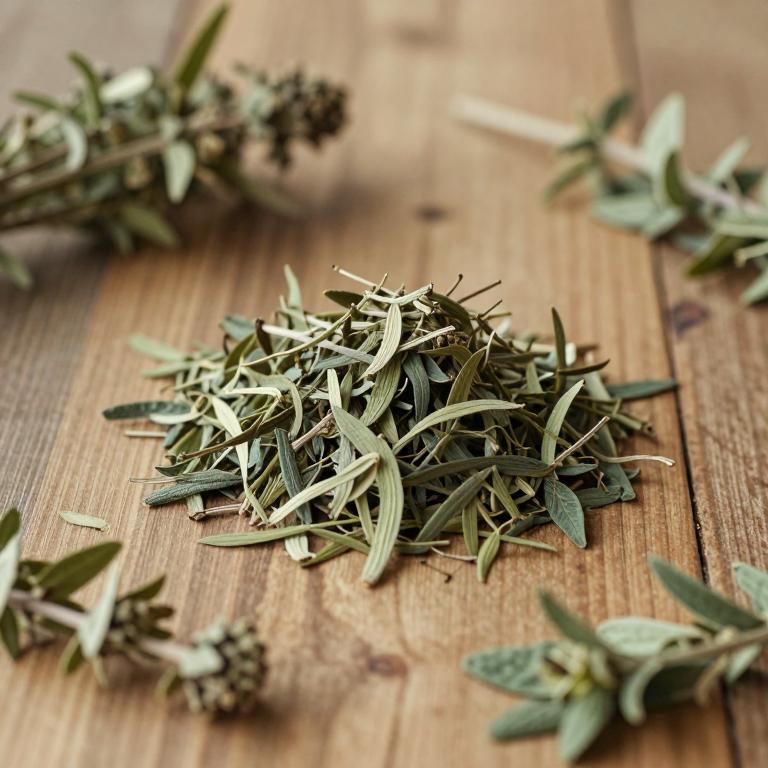
Names and Synonyms
Scientific Names
Accepted name
Pogostemon plectranthoidesSynonyms
- Ocimum bengalense
- Mentha fruticosa
- Wensea pyramidata
Sources: Wikidata
Taxonomical Classification
This plant belongs to the kingdom Plantae and the phylum Streptophyta, falling under the class Equisetopsida and subclass Magnoliidae. Within the order Lamiales and family Lamiaceae, it is classified under the genus Pogostemon. Specifically, its taxonomic identity is defined as Pogostemon plectranthoides.
| Rank | Classification |
|---|---|
| Kingdom | Plantae |
| Phylum | Streptophyta |
| Class | Equisetopsida |
| Subclass | Magnoliidae |
| Order | Lamiales |
| Family | Lamiaceae |
| Genus | Pogostemon |
Sources: The World Checklist of Vascular Plants (WCVP)
Distribution
This plant, known scientifically as Pogostemon plectranthoides, exhibits a specific geographical distribution within the Asian continent. It is primarily documented to grow across parts of the Indian Subcontinent. Within this region, the species can be found inhabiting the natural landscapes of India. Furthermore, its presence is also officially recorded within the borders of Bangladesh. Consequently, its native range is concentrated in these specific South Asian territories.
| Region | Area |
|---|---|
| Indian Subcontinent | Bangladesh |
| Indian Subcontinent | India |
Sources: The World Checklist of Vascular Plants (WCVP)
Botanical Identification
Life history
The life history of Pogostemon plectranthoides is characterized by its specific growth habit and survival strategy, categorized under the life form classification of chamaephyte. As a chamaephyte, the plant maintains its perennating buds close to or just above the soil surface, allowing it to endure seasonal environmental fluctuations by protecting its vital reproductive and vegetative structures near the ground level. This life form, specifically identified within the technical frameworks of nanophanerophyte, phaenrophyte, chamaephyte, hemicryptophyte, geophyte, hydrophyte, helophyte, therophyte, and lithophyte classifications, dictates its ability to navigate its ecological niche. Within the broader botanical hierarchy, its primary life form status is established as a chamaephyte, distinguishing its physiological approach to seasonal dormancy and vegetative persistence compared to phanerophytes or therophytes.
- Life form :
- chamaephyte
Morphology
The morphology of Pogostemon plectranthoides is characterized by its specific growth habit and ecological positioning. It functions as a self-supporting climber, utilizing its structural development to navigate its environment without being an obligatory or facultative vine dependent on external hosts for movement. Furthermore, the plant is an independent organism in terms of its nutritional requirements, exhibiting no parasitic behavior toward other species. Rather than existing as an epiphyte, it maintains a terrestrial existence, rooting itself firmly in the ground to support its development.
- Climber :
- self-supporting
- Epiphyte :
- terrestrial
- Parasite :
- independent
Sources: Global Inventory of Floras and Traits (GIFT)
Chemicals
Pogostemon plectranthoides has 2 reported phytochemicals identified across 0 scientific publications and several other databases. The most consistently reported chemicals include LINALYL ACETATE, Linalool.
| Chemical | Supporting sources | Consensus |
|---|---|---|
| LINALYL ACETATE | 1 supporting sources | ★☆☆☆☆ |
| Linalool | 1 supporting sources | ★☆☆☆☆ |
LINALYL ACETATE
- Antioxidants (Basel, Switzerland)
Linalool
- Antioxidants (Basel, Switzerland)