Pluchea
Pluchea · Accepted scientific name
Scientific literature: Very Sparse (6 studies) · ★☆☆☆☆
Pluchea represents a versatile genus of plants renowned for its diverse range of therapeutic applications in traditional medicine. Research has highlighted its significant biological activities, including potent anticancer, antimicrobial, and antinociceptive properties. The presence of key bioactive compounds, specifically flavonoids, plays a crucial role in driving these medicinal effects. These chemicals contribute to the plant's robust antioxidant capacity, helping to combat oxidative stress within biological systems. Consequently, Pluchea serves as a promising subject for further pharmacological exploration and drug development.
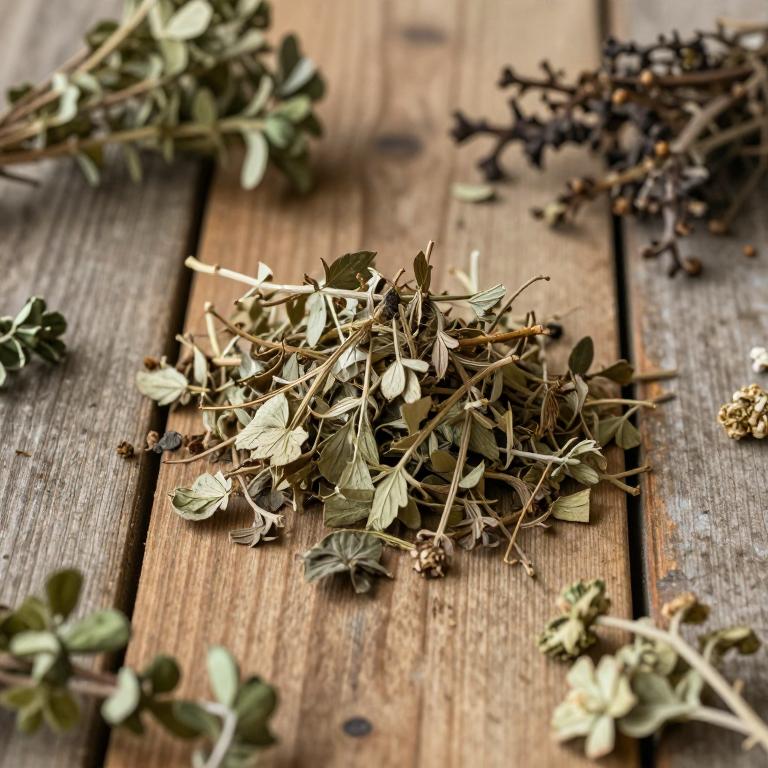
- Synonyms
- Berthelotia · Gynema · 3 more
- Common names
- Not available
- Family
- Asteraceae
- Distribution
- Not available
- Plant Parts
- Not available
Classification
Common Names
Pluchea is a versatile genus of plants recognized by a wide variety of regional and descriptive names. It is frequently referred to by the common name camphorweed, a title that highlights its unique aromatic qualities. In many different habitats, people also know these plants as fleabane or marsh fleabanes. Depending on the local dialect, the plant is simply called pluchea, or it may be identified by its transliterated form, Плюхея. This diversity in nomenclature reflects the plant's widespread presence and varied cultural associations across the globe.
Sources: Catalogue of Life (COL)
Synonyms
Pluchea is a complex genus that has historically been associated with several different botanical names. Through various taxonomic revisions, it has been linked to synonyms such as Berthelotia and Eremohylema. Researchers have also identified connections between this group and the genera Gynema and Spiropodium. Furthermore, the name Stylimnus has been recognized as another synonym within its shifting classification. Understanding these relationships is essential for navigating the diverse nomenclature used to describe this plant.
Sources: The World Checklist of Vascular Plants (WCVP)
Taxonomy
Pluchea is a diverse member of the kingdom Plantae that thrives across various ecosystems. This plant belongs to the class Equisetopsida and is categorized under the order Asterales. Within this taxonomic structure, it is specifically classified under the family Asteraceae. The plant is further identified by its own unique genus, Pluchea. Understanding these biological relationships provides essential insight into its evolutionary lineage.
| Rank | Classification |
|---|---|
| Kingdom | Plantae |
| Phylum | Streptophyta |
| Class | Equisetopsida |
| Subclass | Magnoliidae |
| Order | Asterales |
| Family | Asteraceae |
| Genus | Pluchea |
Sources: The World Checklist of Vascular Plants (WCVP)
Distribution
Geographic Regions
Pluchea exhibits a diverse geographical range that spans several key regions across the African continent. In East Tropical Africa, the plant is established within the territories of Kenya, Tanzania, and Uganda. Its presence also extends westward to the Macaronesia islands, where it can be found growing in the Canary Islands. Furthermore, the species maintains a distribution within the archipelago of Cape Verde. This broad dispersal pattern highlights the plant's adaptability to various coastal and tropical environments.
Sources: The World Checklist of Vascular Plants (WCVP)
Identification
Biological Activities
Pluchea is a diverse genus of flowering plants within the Asteraceae family that exhibits a wide array of significant biological properties. Research indicates that compounds isolated from these plants possess potent anticancer and cytotoxic activities. Furthermore, the genus demonstrates effective antimicrobial capabilities that may assist in combating various pathogens. These plants also provide valuable antioxidant benefits, helping to mitigate oxidative stress within biological systems. Finally, the presence of antinociceptive activity highlights the potential of Pluchea in managing pain.
Compounds
Pluchea is a diverse genus of flowering plants within the Asteraceae family found across several continents. These species are chemically characterized by the presence of significant secondary metabolites, most notably sesquiterpenoids and flavonoids. The inclusion of these flavonoids contributes to the plant's complex phytochemical profile and potential therapeutic value. Consequently, various compounds isolated from the genus demonstrate a wide array of biological activities, ranging from antioxidant to anticancer properties. This rich chemical composition underscores the importance of studying Pluchea for its diverse medicinal applications.
Conditions
Pluchea exhibits a diverse range of therapeutic properties, including the ability to act as an anti-acetylcholinesterase agent. The plant also demonstrates significant anti-inflammatory capabilities within its biological profile. Furthermore, research indicates that Pluchea possesses effective anti-ulcer activities. Its medicinal value extends to anticancer applications, providing potential benefits for oncology. Finally, the genus is recognized for its potent antileishmanial properties.