Plectranthus zuluensis
Plectranthus zuluensis · Accepted scientific name
Scientific literature: Very Sparse (0 studies) · ★☆☆☆☆
Plectranthus zuluensis is a captivating succulent shrub known for its striking, fleshy foliage and unique aesthetic appeal. Native to specific regions of Southern Africa, this plant thrives when provided with well-draining soil and bright, indirect light. Its leaves often feature interesting textures and patterns that make it a standout choice for indoor collectors and succulent enthusiasts alike. While maintaining its beauty requires careful watering, understanding its specific growth requirements is essential for long-term success. This resilient species serves as a wonderful addition to any collection focused on diverse botanical forms.
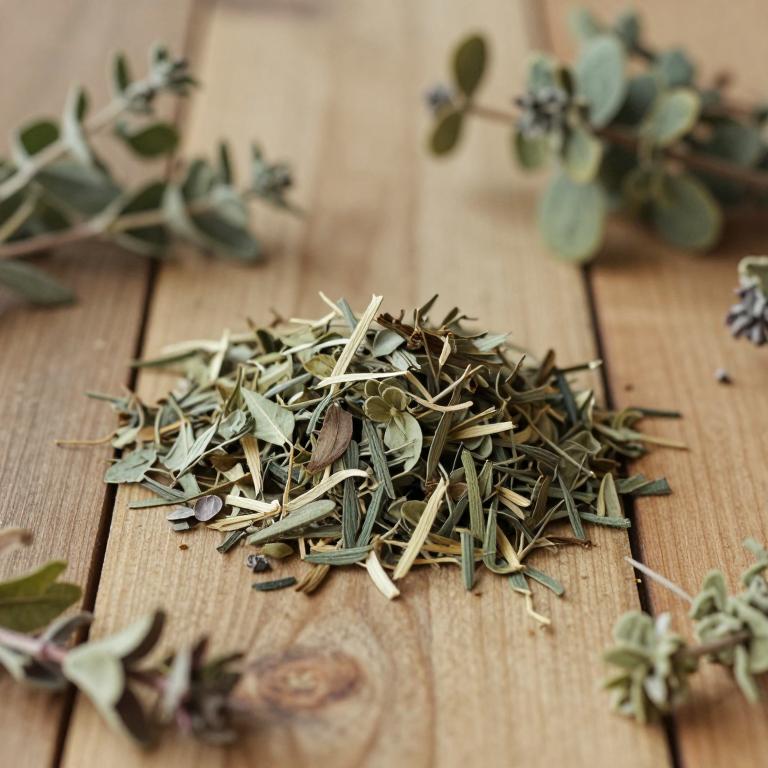
- Synonyms
- Not available
- Common names
- Not available
- Family
- Lamiaceae
- Distribution
- Africa
- Plant Parts
- Not available
Classification
Common Names
Plectranthus zuluensis is a fascinating botanical species that is recognized by several distinct common names across different cultures. In English-speaking regions, it is most frequently identified as the Zulu spurflower or the Zulu spur-flower. Its cultural significance is further reflected in regional variations such as the names Zoeloe spoorsalie and Zoeloemuishondblaar. Additionally, the plant is known in Spanish-speaking areas as Flor de espuela zulú. These diverse monikers highlight the widespread recognition and unique identity of this beautiful plant.
Sources: Catalogue of Life (COL)
Taxonomy
Plectranthus zuluensis is a fascinating specimen that belongs to the vast kingdom Plantae. Within this kingdom, it is classified under the class Equisetopsida. It further occupies the order Lamiales, showcasing its evolutionary connections to other diverse species. As a member of the Lamiaceae family, it shares characteristic traits common to many aromatic herbs. Ultimately, this plant is defined by its specific placement within the genus Plectranthus.
| Rank | Classification |
|---|---|
| Kingdom | Plantae |
| Phylum | Streptophyta |
| Class | Equisetopsida |
| Subclass | Magnoliidae |
| Order | Lamiales |
| Family | Lamiaceae |
| Genus | Plectranthus |
Sources: The World Checklist of Vascular Plants (WCVP)
Distribution
Geographic Regions
Plectranthus zuluensis is a notable plant species with a specific geographical footprint across the African continent. Its natural distribution is primarily centered within the Southern Africa region. Within this area, the plant can be found flourishing throughout the diverse landscapes of the Cape Provinces. It also maintains a presence in the territory of Eswatini, showcasing its adaptability to local environments. Furthermore, its range extends into the lush, subtropical regions of KwaZulu-Natal.
Sources: The World Checklist of Vascular Plants (WCVP)
Identification
Morphology
Plectranthus zuluensis is a distinctive herb characterized by its sturdy, self-supporting growth form. This plant typically reaches a moderate size, standing at a minimum height of 1 meter. In optimal conditions, it can continue to flourish until it reaches a maximum height of 2 meters. Such structural stability makes it a reliable addition to any botanical collection.
Sources: Global Inventory of Floras and Traits (GIFT)
Biological Activities
Compounds
Conditions
Plectranthus zuluensis possesses significant anti-tyrosinase activity according to recent electrochemical screening of South African Lamiaceae species. This specific plant was identified as one of the top performers capable of inhibiting tyrosinase at minimum concentrations. When compared to the standard kojic acid, the methanolic extract of this species demonstrated a rapid current inhibition rate. Such properties suggest that the plant could be a valuable source for preventing melanin overproduction in the skin. Consequently, its ability to treat tyrosinase activity makes it a prime candidate for future development in cosmetics and medicinal skin care.