Plectranthus fruticosus
Plectranthus fruticosus · Accepted scientific name
Scientific literature: Very Sparse (19 studies) · ★☆☆☆☆
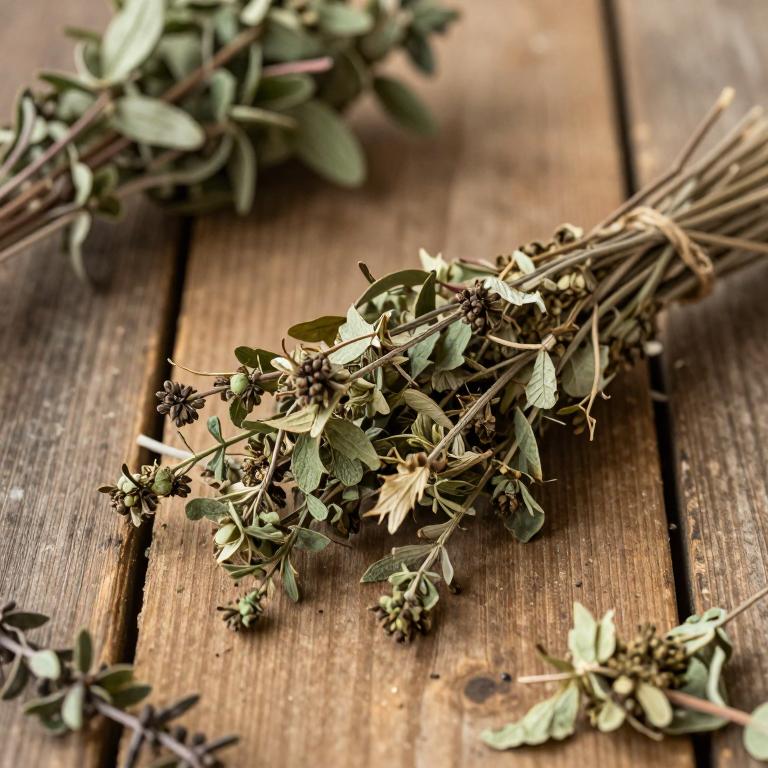
, scientifically known as Plectranthus fruticosus, is a versatile medicinal shrub widely used in traditional healing systems. Renowned for its aromatic properties, this plant offers significant therapeutic benefits, particularly in treating respiratory ailments and inflammation. Its diverse bioactive compounds make it a valuable resource in natural pharmacology and wellness.
- Family
- Not available
- Native range
- Europe
- Parts used
- Not available
- Common names
- Not available
- Scientific synonyms
- Not available
Names and Synonyms
Scientific Names
Accepted name
Plectranthus fruticosusDistribution
This plant exhibits a broad and diverse geographical distribution across several continents. In Europe, its presence is noted specifically within Germany. Moving toward the Atlantic, it can be found growing in the Macaronesian region of Madeira. The species also extends into the tropical and southern reaches of Africa, including Mozambique in South Tropical Africa. Finally, it is widely distributed throughout Southern Africa, specifically within the Cape Provinces and KwaZulu-Natal.
| Region | Area |
|---|---|
| Middle Europe | Germany |
| Macaronesia | Madeira |
| South Tropical Africa | Mozambique |
| Southern Africa | Cape Provinces |
| Southern Africa | KwaZulu-Natal |
| Southern Africa | Eswatini |
| Southern Africa | Northern Provinces |
| Southern South America | Juan Fernández Is. |
Sources: The World Checklist of Vascular Plants (WCVP)
Chemicals
Plectranthus fruticosus has 1 reported phytochemicals identified across 0 scientific publications and several other databases. The most consistently reported chemicals include betulinic acid.
| Chemical | Supporting sources | Consensus |
|---|---|---|
| betulinic acid | 1 supporting sources | ★☆☆☆☆ |
betulinic acid
- Dr. Duke
Activities
Plectranthus fruticosus has 18 reported activities identified across 0 scientific publications and several other databases. The most consistently reported activities include Anthelmintic, AntiHIV, Antibacterial, Anticancer, Anticarcinomic.
| Activity | Supporting sources | Consensus |
|---|---|---|
| Anthelmintic | 1 supporting sources | ★☆☆☆☆ |
| AntiHIV | 1 supporting sources | ★☆☆☆☆ |
| Antibacterial | 1 supporting sources | ★☆☆☆☆ |
| Anticancer | 1 supporting sources | ★☆☆☆☆ |
| Anticarcinomic | 1 supporting sources | ★☆☆☆☆ |
| Antiedemic | 1 supporting sources | ★☆☆☆☆ |
| Antiinflammatory | 1 supporting sources | ★☆☆☆☆ |
| Antileukemic | 1 supporting sources | ★☆☆☆☆ |
| Antimalarial | 1 supporting sources | ★☆☆☆☆ |
| Antimelanomic | 1 supporting sources | ★☆☆☆☆ |
Anthelmintic
- Dr. Duke
AntiHIV
- Dr. Duke
Antibacterial
- Dr. Duke
Anticancer
- Dr. Duke
Anticarcinomic
- Dr. Duke
Antiedemic
- Dr. Duke
Antiinflammatory
- Dr. Duke
Antileukemic
- Dr. Duke
Antimalarial
- Dr. Duke
Antimelanomic
- Dr. Duke