Mexican Mint (Plectranthus Barbatus)
Information Reliability Score: 5/10
This score reflects the overall reliability of the information presented in this article. It is based on the quality of scientific evidence, accuracy of sources, and the transparency of references related to Plectranthus barbatus.
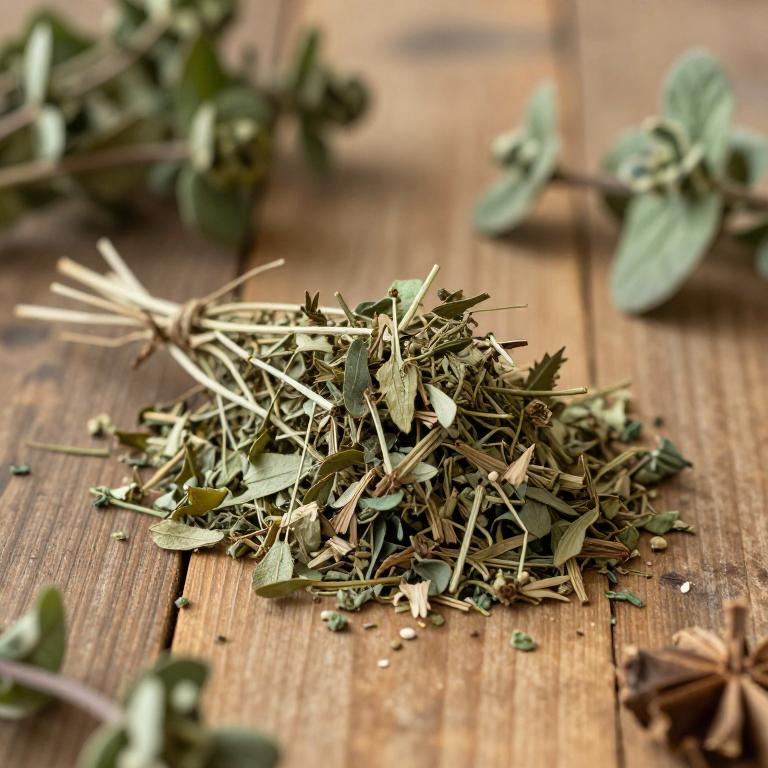
Mexican Mint, scientifically known as Plectranthus barbatus, is a flowering plant native to Mexico and parts of Central America, often used as a medicinal herb and adaptogen.
It is valued for its aromatic leaves and unique flavor, which combines mint and licorice, making it both a spice and a traditional remedy. The plant is traditionally used in Mexican folk medicine to treat digestive issues, headaches, and respiratory conditions, with its leaves often brewed into teas or used in culinary applications. In modern wellness practices, Mexican Mint is gaining popularity for its potential anti-inflammatory and antimicrobial properties, supporting immune health and stress relief.
Additionally, it contains a rare active compound called rosmarinic acid, which contributes to its therapeutic effects and historical use in traditional healing rituals.
Table of Contents
Scientific and Botanical Profile
Mexican Mint, with botanical name Plectranthus barbatus, is a member of the Lamiaceae family, commonly known as the mint family.
Native to the Caribbean and parts of Central and South America, it is also found in regions of Mexico and the southern United States. This herbaceous perennial plant is characterized by its square, hairy stems, opposite leaves with a serrated margin, and small, tubular flowers that range from purple to pink in color. It is also known by several common names, including Plectranthus Mint, Caribbean Mint, Purple Plectranthus, Purple Deadnettle, Spiked Mint, Clove Mint, Lemon Mint, Lamb's Ear, Greek Violet, Greek Valerian, Variegated Mint, Purple Mint, Purple Heart, Plectranthus Mexicanus, Plectranthus Violet, and Spiked Plectranthus.
Its aromatic leaves and ornamental value make it a popular choice for both medicinal and horticultural purposes.
History and Cultural Relevance
Mexican Mint was used by indigenous peoples of Mesoamerica for centuries as a versatile plant with medicinal and culinary applications.
The plant, known as Plectranthus barbatus, has deep roots in traditional medicine systems such as Ayurveda and Traditional Chinese Medicine, where it was valued for its antispasmodic, anti-inflammatory, and digestive properties. In rituals and ceremonies, Mexican Mint was often used to purify spaces, enhance spiritual clarity, and as a component in herbal infusions for healing and protection. Today, its essential oils are still used in aromatherapy and natural remedies for stress relief and digestive support, echoing its historical role in promoting wellness.
This plant remains a symbol of cultural continuity, bridging ancient practices with modern holistic health approaches.
Chemical Composition and Nutritional Profile
Mexican Mint contains a complex chemical composition that includes various bioactive compounds such as alkaloids, flavonoids, essential oils, and terpenes, which contribute to its aromatic and medicinal properties.
It is rich in antioxidants, including phenolic compounds and flavonoids, which help neutralize free radicals and reduce oxidative stress in the body. The plant also provides essential nutrients like vitamins A, C, and E, along with minerals such as calcium, magnesium, and iron, supporting overall health and immune function. These active compounds work synergistically to exert anti-inflammatory, antimicrobial, and antispasmodic effects, making Mexican Mint useful in traditional medicine for digestive and respiratory ailments.
Its unique profile makes it not only a flavorful herb but also a potential source of natural therapeutic benefits.
Medicinal Properties and Health Benefits
Plectranthus barbatus has been recognized for its medicinal properties and health benefits, particularly in supporting respiratory and immune function.
It contains high levels of polyphenols and antioxidants, which help reduce inflammation and combat oxidative stress, making it beneficial for the respiratory system by alleviating symptoms of asthma and bronchitis. Compared to similar herbs like eucalyptus or ginger, plectranthus barbatus offers a more potent anti-inflammatory effect with fewer side effects, making it a unique and effective alternative. Its ability to enhance lung function and boost immunity also makes it valuable for overall wellness, especially during seasonal changes or in individuals with chronic respiratory conditions.
Additionally, its calming properties can aid in reducing stress, contributing to mental and emotional well-being.
Discover the 10 best health benefits of Mexican Mint.
Forms, Preparation and Usage
Plectranthus barbatus has been traditionally used for its medicinal properties, and it is available in various forms including fresh leaves, dried tincture, powder, essential oil, and capsule.
To prepare it, it can be made into a tea by steeping dried leaves in hot water, or a decoction can be made by boiling the plant material for a longer period. It can also be used as an infusion or applied topically for skin conditions. The recommended dosage for adults is typically 1 to 3 grams of dried herb per cup of tea, while children should only use it if deemed safe by a healthcare professional.
Due to limited scientific data, it is advised to use plectranthus barbatus sparingly, with a short duration of use to minimize potential side effects.
Safety, Side Effects and Contraindications
Plectranthus barbatus can be used as a medicinal plant with potential benefits, but it is important to consider its safety profile.
While generally considered safe when used in recommended doses, it may cause side effects such as gastrointestinal discomfort, allergic reactions, and drowsiness in some individuals. It may interact with certain medications, including sedatives and anticoagulants, potentially increasing their effects or causing adverse reactions. Special populations, such as pregnant or breastfeeding women, should avoid its use due to limited safety data, and individuals with chronic illnesses should consult a healthcare provider before use.
To ensure safe use, it is advisable to consult a qualified healthcare professional, follow recommended dosages, and discontinue use if any adverse effects occur.
Growing, Harvesting and Storage
Plectranthus barbatus grows best in well-drained, loamy soil with a slightly acidic to neutral pH, in full sun to partial shade, and requires regular watering to maintain moist but not waterlogged conditions.
It thrives in warm climates and benefits from occasional fertilization during the growing season to promote vigorous growth. To ensure optimal health, prune regularly to encourage bushier growth and remove any dead or diseased foliage. Harvesting is most effective in the late summer to early fall when the leaves are fully developed and aromatic, using sharp scissors to cut the stems just above a node to preserve the plant's vitality.
For storage, dried leaves should be thoroughly air-dried and stored in airtight containers away from light and moisture, or refrigerated to preserve potency and extend shelf life.