Platycodon
Platycodon · Accepted scientific name
Scientific literature: Very Sparse (0 studies) · ★☆☆☆☆
Platycodon is a perennial flowering plant widely recognized for its striking, star-shaped blossoms and ornamental appeal. Beyond its beauty in the garden, this species holds a significant place in traditional herbal practices. Many practitioners utilize various extracts derived from the roots to harness its therapeutic potential. These concentrated preparations are often studied for their diverse biological activities and medicinal properties. Consequently, the plant serves as both a visual delight and a valuable resource in botanical pharmacology.
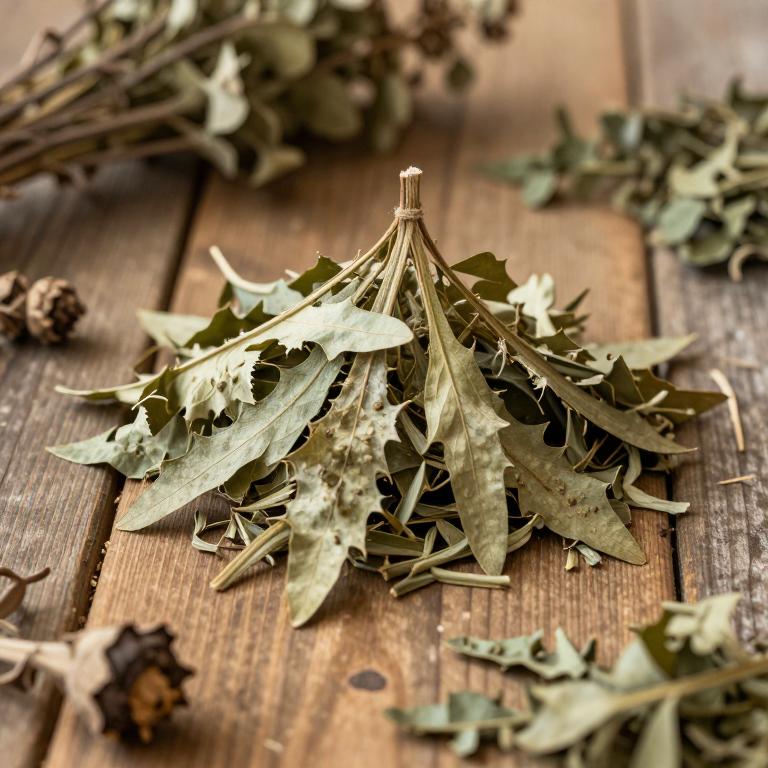
- Synonyms
- Not available
- Common names
- Not available
- Family
- Campanulaceae
- Distribution
- Southern America
- Plant Parts
- Not available
Classification
Common Names
Platycodon is a versatile plant known by a variety of descriptive names across different cultures. In English-speaking regions, it is most frequently referred to as the Balloon flower or the Balloonblume. Moving into Eastern traditions, the species is widely recognized by its Vietnamese name, Cát cánh. European enthusiasts may also encounter it under the Swedish moniker Praktklocka. Finally, in Poland, this charming bloom is commonly identified as Rozwar wielkokwiatowy.
Sources: Catalogue of Life (COL)
Taxonomy
Platycodon is a fascinating specimen that belongs to the vast kingdom Plantae. Within this biological realm, it is specifically categorized under the class Equisetopsida. This plant is further organized into the order Asterales, showcasing its evolutionary connections. As a member of the family Campanulaceae, it shares common traits with many other bell-shaped flowers. Finally, it is defined by its unique genus, Platycodon, which distinguishes it from its many relatives.
| Rank | Classification |
|---|---|
| Kingdom | Plantae |
| Phylum | Streptophyta |
| Class | Equisetopsida |
| Subclass | Magnoliidae |
| Order | Asterales |
| Family | Campanulaceae |
| Genus | Platycodon |
Sources: The World Checklist of Vascular Plants (WCVP)
Distribution
Geographic Regions
Platycodon is primarily distributed throughout the temperate regions of Asia, with a significant presence concentrated in China. Its range extends across various Chinese territories, including the North-Central, South-Central, and Southeast provinces. Additionally, the plant can be found thriving in the northern reaches of Inner Mongolia. The species also maintains a notable distribution within the Manchuria region. Together, these locations highlight the broad geographical footprint of this plant across the Asian continent.
Sources: The World Checklist of Vascular Plants (WCVP)
Identification
Biological Activities
Compounds
Conditions
Preparations
Platycodon grandiflorum is prepared as extracts to investigate its potential antiobesity activities in biological models. These specific extracts are administered orally to mice to study their impact on weight gain and lipid profiles. By utilizing these preparations, researchers can observe how the plant material regulates adipogenesis and lipogenesis pathways. The use of platycodon extracts serves as a method to demonstrate their effectiveness in ameliorating high-fat diet-induced obesity. Ultimately, preparing the plant as extracts allows for its application as a functional food or medicinal ingredient for metabolic health.