Plagiocladus diandrus
Plagiocladus diandrus · Accepted scientific name
Scientific literature: Very Sparse (5 studies) · ★☆☆☆☆
, scientifically known as Plaigiocladus diandrus, is a remarkable medicinal plant valued in traditional healing practices. Renowned for its diverse therapeutic properties, this species is often utilized to treat various ailments. Understanding its bioactive compounds and botanical characteristics is essential for exploring its significant potential in modern pharmacological research.
- Family
- Phyllanthaceae
- Native range
- Africa
- Parts used
- Leaf
- Common names
- Not available
- Scientific synonyms
- Phyllanthus Diandrus · Lingelsheimia Longipedicellata
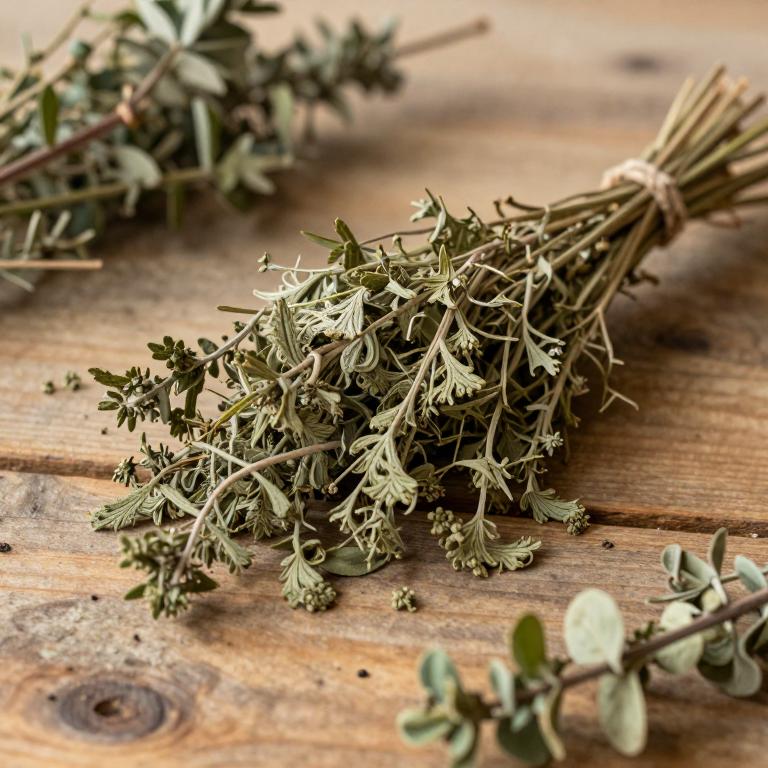
Names and Synonyms
Scientific Names
Accepted name
Plagiocladus diandrusSynonyms
- Phyllanthus diandrus
- Lingelsheimia longipedicellata
Sources: Wikidata
Taxonomical Classification
This plant belongs to the kingdom Plantae and the phylum Streptophyta, placing it within the class Equisetopsida and subclass Magnoliidae. It is further classified under the order Malpighiales and the family Phyllanthaceae. Finally, it is identified by the genus Plaigiocladus and the specific species name Plaigiocladus diandrus.
| Rank | Classification |
|---|---|
| Kingdom | Plantae |
| Phylum | Streptophyta |
| Class | Equisetopsida |
| Subclass | Magnoliidae |
| Order | Malpighiales |
| Family | Phyllanthaceae |
| Genus | Plagiocladus |
Sources: The World Checklist of Vascular Plants (WCVP)
Distribution
This plant is primarily found within the West-Central Tropical Africa region. Its natural habitat encompasses several distinct nations across this lush belt. Specifically, the species can be located in the country of Cameroon. It is also widely distributed throughout Congo and Equatorial Guinea. Finally, the geographical range of this medicinal plant extends into Gabon.
| Region | Area |
|---|---|
| West-Central Tropical Africa | Cameroon |
| West-Central Tropical Africa | Congo |
| West-Central Tropical Africa | Equatorial Guinea |
| West-Central Tropical Africa | Gabon |
Sources: The World Checklist of Vascular Plants (WCVP)
Botanical Identification
Life history
The life history of Plaigiocladus diandrus is characterized by its status as a perennial species, allowing it to persist in its ecosystem over multiple growing seasons. In terms of its growth habit and structural classification, the plant exhibits characteristics of both phanerophyte and nanophanerophyte life forms, indicating its ability to maintain its reproductive shoots above the ground level through varying environmental conditions.
- Life form :
- nanophanerophyte
- Life form :
- phanerophyte
- Lifecycle :
- perennial
Morphology
The morphology of Plaigiocladus diandrus is characterized by a woody growth form, typically manifesting as a shrub. It reaches a mean plant height of approximately 2.5 m. In terms of its climbing habit, the plant is categorized as self-supporting rather than being an obligatory or facultative climber. It functions as an independent organism, lacking parasitic behavior, and maintains a terrestrial existence rather than growing as an epiphyte.
- Climber :
- self-supporting
- Epiphyte :
- terrestrial
- Growth form :
- shrub
- Parasite :
- independent
- Plant height mean:
- 2.5 m
- Woodiness :
- woody
Physiology
The physiology of Plagiocladus diandrus is characterized by specific metabolic pathways and nutrient acquisition strategies adapted to its ecological niche. A key aspect of its physiological profile is its relationship with soil nutrients, specifically regarding its ability to undergo biological nitrogen fixation; according to available data, this species is not a nitrogen fixer, meaning it lacks the symbiotic relationship with diazotrophic bacteria required to convert atmospheric nitrogen into bioavailable forms. Consequently, the plant relies on the uptake of nitrates and ammonium directly from the soil through its root system to satisfy its nitrogen requirements for protein synthesis and chlorophyll production. Its metabolic processes are governed by standard photosynthetic pathways, where light energy is converted into chemical energy to drive carbon fixation, supporting the overall growth and structural development of the plant.
- Nitrogen fixer :
- no
Sources: Global Inventory of Floras and Traits (GIFT)
Plant Parts
Plagiocladus diandrus has 1 reported plant parts identified across 1 scientific publications and several other databases that are studied for medicinal purposes. The most consistently reported plant part include leaf.
| Plant part | Supporting sources | Consensus |
|---|---|---|
| Leaf | 1 supporting sources | ★☆☆☆☆ |
Leaf
- Journal of ethnopharmacology
Chemicals
Plagiocladus diandrus has 3 reported phytochemicals identified across 1 scientific publications and several other databases. The most consistently reported chemicals include Flavonoids, Tannins, polyphenols.
| Chemical | Supporting sources | Consensus |
|---|---|---|
| Flavonoids | 1 supporting sources | ★☆☆☆☆ |
| Tannins | 1 supporting sources | ★☆☆☆☆ |
| polyphenols | 1 supporting sources | ★☆☆☆☆ |
Flavonoids
- Journal of ethnopharmacology
Tannins
- Journal of ethnopharmacology
polyphenols
- Journal of ethnopharmacology