Pittosporum senacia senacia
Pittosporum senacia subsp. senacia · Accepted scientific name
Scientific literature: Very Sparse (6 studies) · ★☆☆☆☆
Pittosporum senacia senacia, scientifically known as Pittosporum senacia subsp. senacia, is an evergreen shrub native to Australia. Renowned for its glossy foliage and fragrant white flowers, this botanical species holds significant ecological value. In traditional practices, various parts of the plant have been explored for their unique medicinal properties.
- Family
- Pittosporaceae
- Native range
- Africa
- Parts used
- Not available
- Common names
- Pittosporum Senacia Senacia
- Scientific synonyms
- Pittosporum Lanceolatum · Celastrus Lanceolatus · 1 more
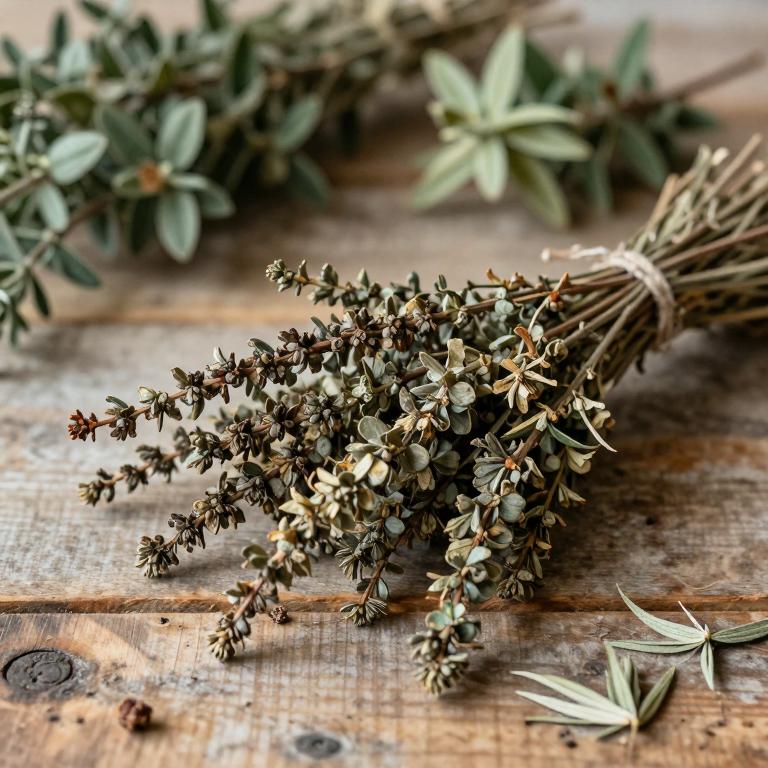
Names and Synonyms
Common Names
- Pittosporum senacia senacia
Scientific Names
Accepted name
Pittosporum senacia subsp. senaciaSynonyms
- Pittosporum lanceolatum
- Celastrus lanceolatus
- Senacia lanceolata
Regional and Traditional Names
Spanish:
- Pittosporum senacia senacia
French:
- Pittosporum senacia senacia
- Bois carotte
Sources: Wikidata, Catalogue of Life
Taxonomical Classification
This plant belongs to the kingdom Plantae and the phylum Streptophyta, falling under the class Equisetopsida and subclass Magnoliidae. Within the order Apiales, it is classified under the family Pittosporaceae and the genus Pittosporum. Specifically, it is identified as the subspecies senacia within the species Pittosporum senacia.
| Rank | Classification |
|---|---|
| Kingdom | Plantae |
| Phylum | Streptophyta |
| Class | Equisetopsida |
| Subclass | Magnoliidae |
| Order | Apiales |
| Family | Pittosporaceae |
| Genus | Pittosporum |
Sources: The World Checklist of Vascular Plants (WCVP)
Distribution
This plant exhibits a unique and fragmented geographical distribution across several remote oceanic regions. Within the Western Indian Ocean, it can be found growing in the natural habitats of Mauritius. Its presence is also documented on the island of Réunion, further establishing its footprint in that ocean. Moving across the globe to the North-Central Pacific, the species has also established itself in Hawaii. These diverse locations highlight the specific environmental requirements that allow this subspecies to thrive in isolated island ecosystems.
| Region | Area |
|---|---|
| Western Indian Ocean | Mauritius |
| Western Indian Ocean | Réunion |
| North-Central Pacific | Hawaii |
Sources: The World Checklist of Vascular Plants (WCVP)
Chemicals
Pittosporum senacia subsp. senacia has 3 reported phytochemicals identified across 0 scientific publications and several other databases. The most consistently reported chemicals include 1,8-Cineole, MYRCENE, Myristicin.
| Chemical | Supporting sources | Consensus |
|---|---|---|
| 1,8-Cineole | 1 supporting sources | ★☆☆☆☆ |
| MYRCENE | 1 supporting sources | ★☆☆☆☆ |
| Myristicin | 1 supporting sources | ★☆☆☆☆ |
1,8-Cineole
- Chemistry & biodiversity
MYRCENE
- Chemistry & biodiversity
Myristicin
- Chemistry & biodiversity
Conditions
Pittosporum senacia subsp. senacia has 3 reported investigations on conditions identified across 0 scientific publications and several other databases. The most consistently reported conditions include acetylcholinesterase, amylase, tyrosinase.
| Condition | Supporting sources | Consensus |
|---|---|---|
| Acetylcholinesterase | 1 supporting sources | ★☆☆☆☆ |
| Amylase | 1 supporting sources | ★☆☆☆☆ |
| Tyrosinase | 1 supporting sources | ★☆☆☆☆ |
Acetylcholinesterase
- Chemistry & biodiversity
Amylase
- Chemistry & biodiversity
Tyrosinase
- Chemistry & biodiversity
Preparations
Pittosporum senacia subsp. senacia has 1 reported preparations identified across 0 scientific publications and several other databases. The most consistently reported preparations include essential oils.
| Preparation | Supporting sources | Consensus |
|---|---|---|
| Essential oils | 1 supporting sources | ★☆☆☆☆ |
Essential oils
- Chemistry & biodiversity