Pittosporum neelgherrense
Pittosporum neelgherrense · Accepted scientific name
Scientific literature: Very Sparse (5 studies) · ★☆☆☆☆
, scientifically known as Pittosporum neelgherrense, is a significant medicinal shrub native to the Western Ghats. Renowned for its diverse pharmacological properties, this plant is traditionally utilized in folk medicine to treat various ailments. Its unique chemical constituents offer promising potential for developing new therapeutic treatments in herbal medicine.
- Family
- Pittosporaceae
- Native range
- Asia-Tropical
- Parts used
- Not available
- Common names
- Not available
- Scientific synonyms
- Not available
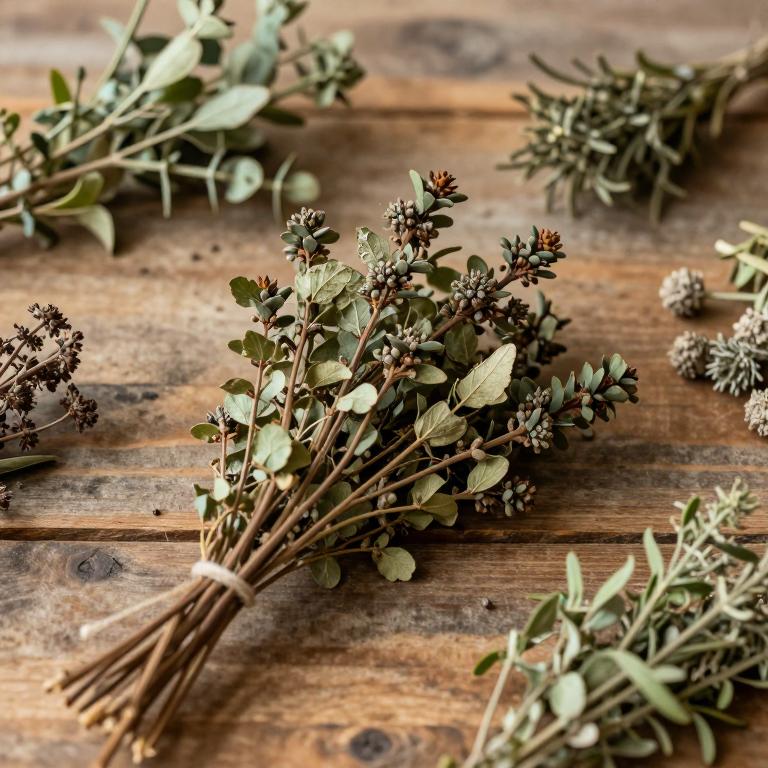
Names and Synonyms
Scientific Names
Accepted name
Pittosporum neelgherrenseSources: Wikidata, Catalogue of Life
Taxonomical Classification
This plant belongs to the kingdom Plantae and is classified under the phylum Streptophyta within the class Equisetopsida. Further taxonomic details place it in the subclass Magnoliidae and the order Apiales, specifically within the family Pittosporaceae. It is ultimately identified by the genus Pittosporum as the species Pittosporum neelgherrense.
| Rank | Classification |
|---|---|
| Kingdom | Plantae |
| Phylum | Streptophyta |
| Class | Equisetopsida |
| Subclass | Magnoliidae |
| Order | Apiales |
| Family | Pittosporaceae |
| Genus | Pittosporum |
Sources: The World Checklist of Vascular Plants (WCVP)
Distribution
This plant is native to the Indian Subcontinent, specifically found within the borders of India. Its geographical range is relatively localized compared to many other medicinal species. Within the country, it typically inhabits specific ecological niches that support its growth. This distribution highlights its importance as a regional botanical resource. Consequently, understanding its presence in India is vital for its conservation and medicinal study.
| Region | Area |
|---|---|
| Indian Subcontinent | India |
Sources: The World Checklist of Vascular Plants (WCVP)
Botanical Identification
Morphology
The morphology of Pittosporum neelgherrense is characterized by its distinct growth habit as a climbing plant, specifically functioning as a self-supporting liana or vine. Depending on the structural development of its stems and the environmental context, it exhibits both obligatory and facultative tendencies in its climbing mechanism, allowing it to ascend and maintain stability as a self-supporting entity within its ecosystem.
- Climber :
- self-supporting
Sources: Global Inventory of Floras and Traits (GIFT)
Chemicals
Pittosporum neelgherrense has 4 reported phytochemicals identified across 0 scientific publications and several other databases. The most consistently reported chemicals include 1-UNDECANOL, 4H-PYRAN-4-ONE, Cyclotridecane, Lauryl acetate.
| Chemical | Supporting sources | Consensus |
|---|---|---|
| 1-UNDECANOL | 1 supporting sources | ★☆☆☆☆ |
| 4H-PYRAN-4-ONE | 1 supporting sources | ★☆☆☆☆ |
| Cyclotridecane | 1 supporting sources | ★☆☆☆☆ |
| Lauryl acetate | 1 supporting sources | ★☆☆☆☆ |
1-UNDECANOL
- Toxicon : official journal of the International Society on Toxinology
4H-PYRAN-4-ONE
- Toxicon : official journal of the International Society on Toxinology
Cyclotridecane
- Toxicon : official journal of the International Society on Toxinology
Lauryl acetate
- Toxicon : official journal of the International Society on Toxinology
Conditions
Pittosporum neelgherrense has 1 reported investigations on conditions identified across 0 scientific publications and several other databases. The most consistently reported conditions include snakebite envenoming.
| Condition | Supporting sources | Consensus |
|---|---|---|
| Snakebite envenoming | 1 supporting sources | ★☆☆☆☆ |
Snakebite envenoming
- Toxicon : official journal of the International Society on Toxinology
Preparations
Pittosporum neelgherrense has 1 reported preparations identified across 0 scientific publications and several other databases. The most consistently reported preparations include hot and cold aqueous extracts.
| Preparation | Supporting sources | Consensus |
|---|---|---|
| Hot and cold aqueous extracts | 1 supporting sources | ★☆☆☆☆ |
Hot and cold aqueous extracts
- Toxicon : official journal of the International Society on Toxinology