Pittosporum dasycaulon
Pittosporum dasycaulon · Accepted scientific name
Scientific literature: Very Sparse (6 studies) · ★☆☆☆☆
, scientifically known as Pittosporum dasycaulon, is a versatile medicinal shrub native to various tropical regions. Renowned for its diverse pharmacological properties, this plant is traditionally utilized in folk medicine to treat skin ailments and inflammatory conditions. Its unique chemical constituents offer significant potential for modern therapeutic research and development.
- Family
- Pittosporaceae
- Native range
- Asia-Tropical
- Parts used
- Leaf
- Common names
- Not available
- Scientific synonyms
- Not available
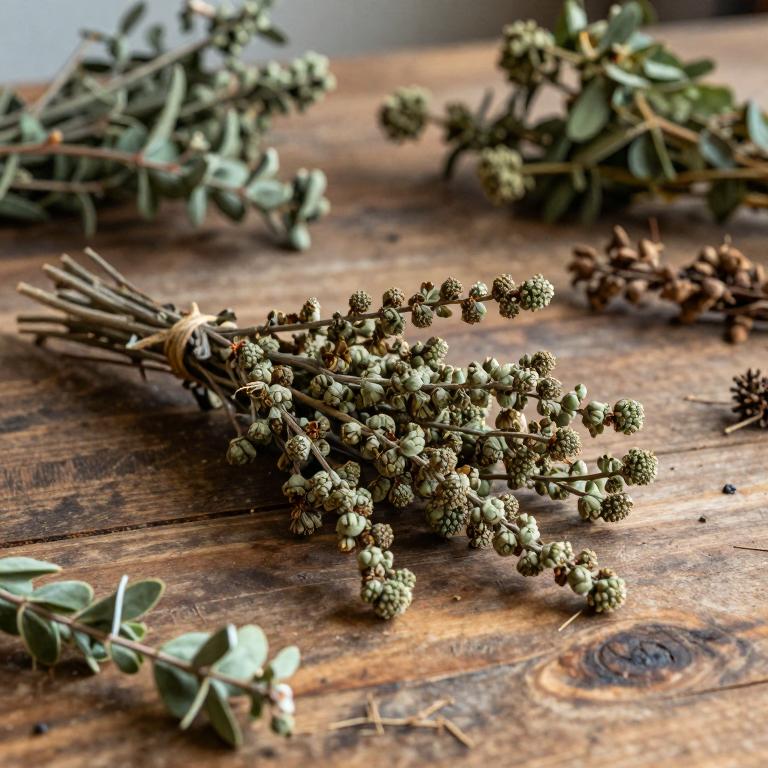
Names and Synonyms
Scientific Names
Accepted name
Pittosporum dasycaulonSources: Wikidata, Catalogue of Life
Taxonomical Classification
This plant belongs to the kingdom Plantae and the phylum Streptophyta within the class Equisetopsida. Following the subclass Magnoliidae and the order Apiales, it is classified under the family Pittosporaceae. Ultimately, it is identified by the genus Pittosporum and the specific species Pittosporum dasycaulon.
| Rank | Classification |
|---|---|
| Kingdom | Plantae |
| Phylum | Streptophyta |
| Class | Equisetopsida |
| Subclass | Magnoliidae |
| Order | Apiales |
| Family | Pittosporaceae |
| Genus | Pittosporum |
Sources: The World Checklist of Vascular Plants (WCVP)
Distribution
This plant is primarily found within the specific geographical region of the Indian Subcontinent. Its natural range is notably concentrated within the borders of India. Due to this localized occurrence, it is considered an indigenous species to this part of South Asia. The environmental conditions of the Indian landscape provide the ideal habitat necessary for its growth. Consequently, researchers focusing on this species often direct their studies toward the diverse ecosystems found across India.
| Region | Area |
|---|---|
| Indian Subcontinent | India |
Sources: The World Checklist of Vascular Plants (WCVP)
Botanical Identification
Morphology
The morphology of Pittosporum dasycaulon is characterized by its specialized growth habit as a woody climber. It functions as a self-supporting liana or vine, utilizing its structural integrity to ascend through surrounding vegetation. Depending on its environmental context and available support, its climbing mechanism can be classified as either an obligatory or facultative self-supporting climber, allowing it to navigate complex forest architectures through its climbing architecture.
- Climber :
- self-supporting
Sources: Global Inventory of Floras and Traits (GIFT)
Plant Parts
Pittosporum dasycaulon has 1 reported plant parts identified across 1 scientific publications and several other databases that are studied for medicinal purposes. The most consistently reported plant part include leaf.
| Plant part | Supporting sources | Consensus |
|---|---|---|
| Leaf | 1 supporting sources | ★☆☆☆☆ |
Leaf
- Journal of biomolecular structure & dynamics
Chemicals
Pittosporum dasycaulon has 2 reported phytochemicals identified across 1 scientific publications and several other databases. The most consistently reported chemicals include KALAMBROSIDE A, Leptinidine.
| Chemical | Supporting sources | Consensus |
|---|---|---|
| KALAMBROSIDE A | 1 supporting sources | ★☆☆☆☆ |
| Leptinidine | 1 supporting sources | ★☆☆☆☆ |
KALAMBROSIDE A
- Journal of biomolecular structure & dynamics
Leptinidine
- Journal of biomolecular structure & dynamics
Activities
Pittosporum dasycaulon has 3 reported activities identified across 1 scientific publications and several other databases. The most consistently reported activities include Antibacterial, Antifungal, Antimicrobial.
| Activity | Supporting sources | Consensus |
|---|---|---|
| Antibacterial | 1 supporting sources | ★☆☆☆☆ |
| Antifungal | 1 supporting sources | ★☆☆☆☆ |
| Antimicrobial | 1 supporting sources | ★☆☆☆☆ |
Antibacterial
- Journal of biomolecular structure & dynamics
Antifungal
- Journal of biomolecular structure & dynamics
Antimicrobial
- Journal of biomolecular structure & dynamics
Preparations
Pittosporum dasycaulon has 1 reported preparations identified across 1 scientific publications and several other databases. The most consistently reported preparations include aqueous leaves extract (AQLE).
| Preparation | Supporting sources | Consensus |
|---|---|---|
| Aqueous leaves extract (aqle) | 1 supporting sources | ★☆☆☆☆ |
Aqueous leaves extract (aqle)
- Journal of biomolecular structure & dynamics