pistaches
Pistacia · Accepted scientific name
Scientific literature: Very Sparse (12 studies) · ★☆☆☆☆
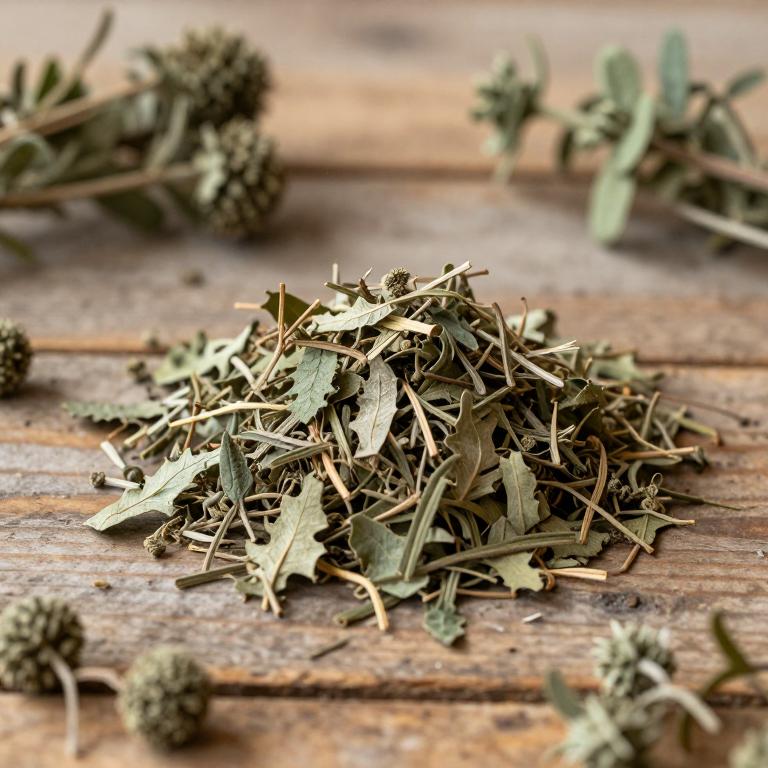
Pistaches, scientifically known as Pistacia, is a genus of versatile evergreen shrubs and trees renowned for their medicinal properties. Historically utilized in traditional medicine, various species offer antioxidant, anti-inflammatory, and antimicrobial benefits. From soothing skin ailments to supporting digestive health, these plants remain vital in natural pharmacology worldwide.
Names and Synonyms
Common Names
- pistaches
- pistache
- Pistachio
Scientific Names
Accepted name
PistaciaSynonyms
- Therminthos
- Lentiscus
- Terminthos
Regional and Traditional Names
German:
- Pistazien
- Pistazien
French:
- Pistachier
- Pistachiers
Sources: Wikidata, Catalogue of Life
Taxonomical Classification
This plant belongs to the kingdom Plantae and the phylum Streptophyta, specifically falling under the class Equisetopsida and subclass Magnoliidae. Within the order Sapindales, it is classified under the family Anacardiaceae. Finally, it is identified by the genus Pistacia.
| Rank | Classification |
|---|---|
| Kingdom | Plantae |
| Phylum | Streptophyta |
| Class | Equisetopsida |
| Subclass | Magnoliidae |
| Order | Sapindales |
| Family | Anacardiaceae |
| Genus | Pistacia |
Sources: The World Checklist of Vascular Plants (WCVP)
Distribution
This plant exhibits a specific geographical distribution across several regions of Southwestern Europe. It can be found growing within the Baleares islands and the island of Corse. Additionally, its presence extends to the mainland territory of France. The species also inhabits various areas throughout Portugal. Finally, its range includes the island of Sardegna.
| Region | Area |
|---|---|
| Southwestern Europe | Baleares |
| Southwestern Europe | Corse |
| Southwestern Europe | France |
| Southwestern Europe | Portugal |
| Southwestern Europe | Sardegna |
| Southwestern Europe | Spain |
| Southeastern Europe | Albania |
| Southeastern Europe | Bulgaria |
| Southeastern Europe | Greece |
| Southeastern Europe | Italy |
Sources: The World Checklist of Vascular Plants (WCVP)
Plant Parts
Pistacia has 1 reported plant parts identified across 1 scientific publications and several other databases that are studied for medicinal purposes. The most consistently reported plant part include leaf.
| Plant part | Supporting sources | Consensus |
|---|---|---|
| Leaf | 1 supporting sources | ★☆☆☆☆ |
Leaf
- BioFactors (Oxford, England)
Chemicals
Pistacia has 1 reported phytochemicals identified across 1 scientific publications and several other databases. The most consistently reported chemicals include Terpenes.
| Chemical | Supporting sources | Consensus |
|---|---|---|
| Terpenes | 1 supporting sources | ★☆☆☆☆ |
Terpenes
- Planta medica
Activities
Pistacia has 1 reported activities identified across 1 scientific publications and several other databases. The most consistently reported activities include Neuroprotective.
| Activity | Supporting sources | Consensus |
|---|---|---|
| Neuroprotective | 1 supporting sources | ★☆☆☆☆ |
Neuroprotective
- Planta medica
Conditions
Pistacia has 5 reported investigations on conditions identified across 1 scientific publications and several other databases. The most consistently reported conditions include anxiety, cerebral ischemia, depression, multiple sclerosis, seizure.
| Condition | Supporting sources | Consensus |
|---|---|---|
| Anxiety | 1 supporting sources | ★☆☆☆☆ |
| Cerebral ischemia | 1 supporting sources | ★☆☆☆☆ |
| Depression | 1 supporting sources | ★☆☆☆☆ |
| Multiple sclerosis | 1 supporting sources | ★☆☆☆☆ |
| Seizure | 1 supporting sources | ★☆☆☆☆ |
Anxiety
- Planta medica
Cerebral ischemia
- Planta medica
Depression
- Planta medica
Multiple sclerosis
- Planta medica
Seizure
- Planta medica