Piqueria trinervia
Piqueria trinervia · Accepted scientific name
Scientific literature: Very Sparse (1 studies) · ★☆☆☆☆
Piqueria trinervia is a medicinal plant recognized for its significant biological properties in traditional healing practices. Recent research has highlighted its potential antigiardial activities, making it a subject of scientific interest. Specifically, the plant shows promise in addressing infections caused by the parasite Giardia intestinalis. By targeting these intestinal pathogens, it may offer a natural alternative for managing parasitic ailments. Understanding its chemical composition is essential for unlocking its full therapeutic potential against such protozoan threats.
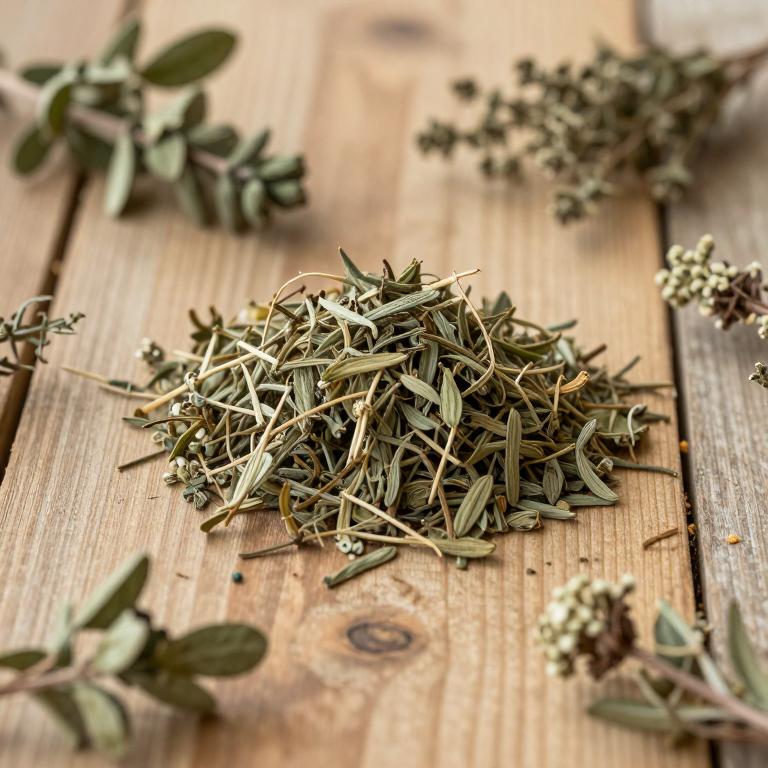
- Synonyms
- Ageratum Febrifugum · Mikania Anomala · 6 more
- Common names
- Not available
- Family
- Asteraceae
- Distribution
- Asia-Temperate
- Plant Parts
- Not available
Classification
Common Names
Piqueria trinervia is a botanical species recognized by a diverse array of regional names across different cultures. Often referred to as Altarreina, the plant holds a distinct identity in various linguistic landscapes. In the Dominican Republic, it is commonly known as Yerba amarga, reflecting its local character. It also carries the names cuimic and meksikonrohtio, showcasing the variety of its nomenclature. Additionally, some may identify this plant by the name stevia, further illustrating its widespread and varied terminology.
Sources: Catalogue of Life (COL)
Synonyms
Piqueria trinervia is a botanical species that has been documented under several different taxonomic names throughout history. Scientific literature identifies various synonyms for this plant, including Ageratum febrifugum and Mikania anomala. Researchers also recognize the names Piqueria luxurians and Piqueria ovata as being associated with this specific taxon. Additionally, the variety known as Piqueria serrata var. angustifolia is categorized under its synonymy. Understanding these various nomenclatural relationships is essential for maintaining accuracy in botanical studies.
Sources: The World Checklist of Vascular Plants (WCVP)
Taxonomy
Piqueria trinervia belongs to the vast kingdom Plantae, serving as a distinct representative of the natural world. Within this kingdom, the species is classified under the class Equisetopsida and the order Asterales. It further finds its place within the diverse family Asteraceae, a group known for its complex floral structures. As a member of the genus Piqueria, this plant exhibits unique botanical characteristics specific to its lineage. Understanding these hierarchical relationships provides essential insight into the biological identity of this species.
| Rank | Classification |
|---|---|
| Kingdom | Plantae |
| Phylum | Streptophyta |
| Class | Equisetopsida |
| Subclass | Magnoliidae |
| Order | Asterales |
| Family | Asteraceae |
| Genus | Piqueria |
Sources: The World Checklist of Vascular Plants (WCVP)
Distribution
Geographic Regions
Piqueria trinervia exhibits a broad and diverse geographic distribution across North America. This resilient plant is particularly widespread throughout various regions of Mexico. Its presence spans the central territories as well as the coastal reaches of the Gulf. Furthermore, the species can be found extending into the northeast and northwest sectors of the country. Finally, its range continues to cover the southeast, showcasing a remarkable ability to thrive in multiple Mexican environments.
Sources: The World Checklist of Vascular Plants (WCVP)
Identification
Morphology
Piqueria trinervia is characterized by its growth form as a herbaceous plant. This species functions as a self-supporting organism, maintaining its structure without the need for external assistance.
Sources: Global Inventory of Floras and Traits (GIFT)
Biological Activities
Piqueria trinervia has long been utilized in traditional medicine to treat diarrhea and various other digestive disorders. Recent scientific investigations have focused on the plant's potential as a source of metabolites to combat Giardia intestinalis. Specifically, the compounds piquerol and trinervinol demonstrated significant antigiardial activity during laboratory testing. These substances were able to inhibit the parasite effectively without showing cytotoxicity toward human fibroblast cells. Ultimately, the study suggests that these active components could be chemically modified to further enhance their therapeutic potential.
Compounds
Conditions
Piqueria trinervia has a long history in traditional medicine for its ability to cure diarrhoea and various other digestive disorders. Scientific investigation confirms that this plant species contains metabolites that specifically treat Giardia intestinalis. Specifically, compounds such as piquerol and trinervinol demonstrate significant antigiardial activity against the parasite. These bioactive components allow the plant to effectively target intestinal pathogens. Consequently, the plant serves as a valuable natural resource for managing these specific gastrointestinal health issues.