pepper
Piper · Accepted scientific name
Scientific literature: Very Sparse (28 studies) · ★☆☆☆☆
pepper, scientifically known as Piper, is a diverse genus of flowering plants renowned for its profound medicinal and culinary significance. Primarily recognized for producing pungent spices, these plants contain bioactive compounds with potent antimicrobial, anti-inflammatory, and antioxidant properties, making them vital assets in traditional healing and modern pharmacological research.
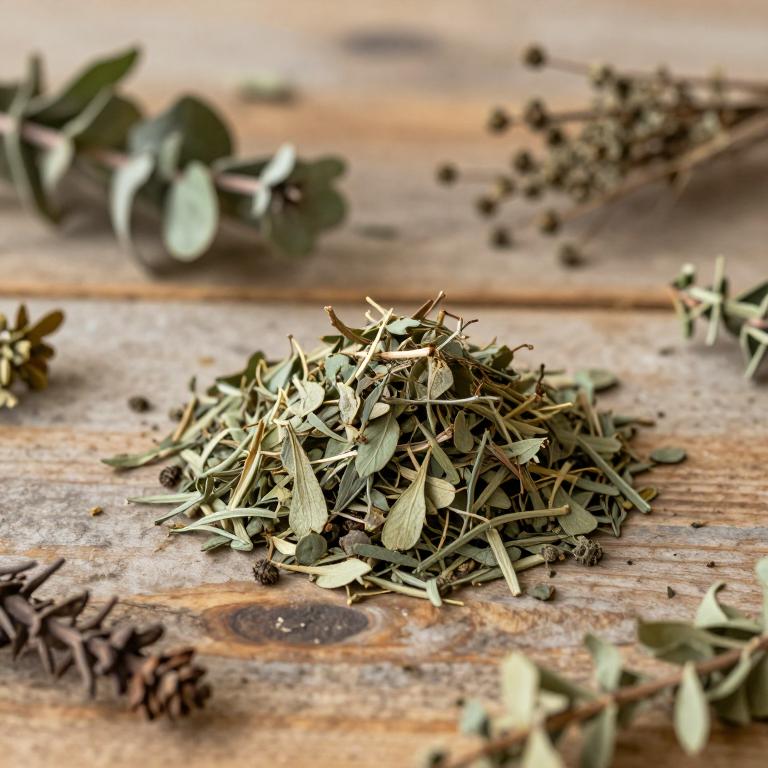
Names and Synonyms
Common Names
- pepper
- pepper plants
- pepper vines
Scientific Names
Accepted name
PiperSynonyms
- Trianaeopiper
- Pleiostachyopiper
- Peperidia
- Churumaya
- Discipiper
- Ottonia
- Cubeba
- Caulobryon
- Carpupica
- Callianira
- Carpunya
- Artanthe
- Chavica
- Amalago
- Anderssoniopiper
- Arctottonia
- Macropiper
- Rhyncholepis
- Gonistum
- Muldera
- Methysticum
- Quebitea
- Enckea
- Coccobryon
- Dugagelia
- Oxodium
- Sphaerostachys
- Schilleria
- Serronia
- Steffensia
- Schizonephros
- Nematanthera
- Peltobryon
- Suensonia
- Lindeniopiper
- Lepianthes
- Betela
Regional and Traditional Names
Spanish:
- Pimienta
- Pimientas
- Pimienta
German:
- Pfeffer
- Pfeffer
French:
- Poivrier sauvage
- Poivrier
- Poivre
- Poivriers
- Poivre
Sources: Wikidata, Catalogue of Life
Taxonomical Classification
This plant belongs to the kingdom Plantae and the phylum Streptophyta, falling under the class Equisetopsida and subclass Magnoliidae. Within the order Piperales, it is classified under the family Piperaceae. Finally, it is identified by the genus Piper.
| Rank | Classification |
|---|---|
| Kingdom | Plantae |
| Phylum | Streptophyta |
| Class | Equisetopsida |
| Subclass | Magnoliidae |
| Order | Piperales |
| Family | Piperaceae |
| Genus | Piper |
Sources: The World Checklist of Vascular Plants (WCVP)
Distribution
This plant is widely distributed across several key regions within West Tropical Africa. Specifically, it can be found growing in the nation of Benin. Its presence is also noted throughout the country of Gambia. Furthermore, the species inhabits various parts of Ghana and Guinea-Bissau. Finally, its geographical range extends into the territory of Guinea.
| Region | Area |
|---|---|
| West Tropical Africa | Benin |
| West Tropical Africa | Gambia |
| West Tropical Africa | Ghana |
| West Tropical Africa | Guinea-Bissau |
| West Tropical Africa | Guinea |
| West Tropical Africa | Ivory Coast |
| West Tropical Africa | Liberia |
| West Tropical Africa | Mali |
| West Tropical Africa | Nigeria |
| West Tropical Africa | Sierra Leone |
Sources: The World Checklist of Vascular Plants (WCVP)
Plant Parts
Piper has 1 reported plant parts identified across 1 scientific publications and several other databases that are studied for medicinal purposes. The most consistently reported plant part include leaf.
| Plant part | Supporting sources | Consensus |
|---|---|---|
| Leaf | 1 supporting sources | ★☆☆☆☆ |
Leaf
- Asian Pacific journal of tropical biomedicine
Chemicals
Piper has 2 reported phytochemicals identified across 1 scientific publications and several other databases. The most consistently reported chemicals include Piplartine, Piperlongumine.
| Chemical | Supporting sources | Consensus |
|---|---|---|
| Piplartine | 2 supporting sources | ★☆☆☆☆ |
| Piperlongumine | 1 supporting sources | ★☆☆☆☆ |
Piplartine
- Journal of traditional and complementary medicine
- Molecules (Basel, Switzerland)
Piperlongumine
- Journal of traditional and complementary medicine
Activities
Piper has 15 reported activities identified across 1 scientific publications and several other databases. The most consistently reported activities include Antimicrobial, Cytotoxic, Abortifacient, Antibacterial, Antidermatophytic.
| Activity | Supporting sources | Consensus |
|---|---|---|
| Antimicrobial | 2 supporting sources | ★☆☆☆☆ |
| Cytotoxic | 2 supporting sources | ★☆☆☆☆ |
| Abortifacient | 1 supporting sources | ★☆☆☆☆ |
| Antibacterial | 1 supporting sources | ★☆☆☆☆ |
| Antidermatophytic | 1 supporting sources | ★☆☆☆☆ |
| Antifungal | 1 supporting sources | ★☆☆☆☆ |
| Antirheumatic | 1 supporting sources | ★☆☆☆☆ |
| Antitumor | 1 supporting sources | ★☆☆☆☆ |
| Cardioactive | 1 supporting sources | ★☆☆☆☆ |
| Chemopreventive | 1 supporting sources | ★☆☆☆☆ |
Antimicrobial
- Mini reviews in medicinal chemistry
- Fitoterapia
Cytotoxic
- Mini reviews in medicinal chemistry
- Fitoterapia
Abortifacient
- Mini reviews in medicinal chemistry
Antibacterial
- Mini reviews in medicinal chemistry
Antidermatophytic
- Mini reviews in medicinal chemistry
Antifungal
- Mini reviews in medicinal chemistry
Antirheumatic
- Mini reviews in medicinal chemistry
Antitumor
- Mini reviews in medicinal chemistry
Cardioactive
- Mini reviews in medicinal chemistry
Chemopreventive
- Mini reviews in medicinal chemistry
Conditions
Piper has 6 reported investigations on conditions identified across 1 scientific publications and several other databases. The most consistently reported conditions include cancer, Oral Squamous Cell Carcinoma, cognitive disorders, leishmaniasis, snakebite.
| Condition | Supporting sources | Consensus |
|---|---|---|
| Cancer | 2 supporting sources | ★☆☆☆☆ |
| Oral squamous cell carcinoma | 1 supporting sources | ★☆☆☆☆ |
| Cognitive disorders | 1 supporting sources | ★☆☆☆☆ |
| Leishmaniasis | 1 supporting sources | ★☆☆☆☆ |
| Snakebite | 1 supporting sources | ★☆☆☆☆ |
| Snakebites | 1 supporting sources | ★☆☆☆☆ |
Cancer
- Journal of traditional and complementary medicine
- Mini reviews in medicinal chemistry
Oral squamous cell carcinoma
- Molecules (Basel, Switzerland)
Cognitive disorders
- Mini reviews in medicinal chemistry
Leishmaniasis
- Journal of ethnopharmacology
Snakebite
- Journal of ethnopharmacology
Snakebites
- Journal of ethnopharmacology
Preparations
Piper has 3 reported preparations identified across 1 scientific publications and several other databases. The most consistently reported preparations include Piper extract, crude extracts, extracts.
| Preparation | Supporting sources | Consensus |
|---|---|---|
| Piper extract | 1 supporting sources | ★☆☆☆☆ |
| Crude extracts | 1 supporting sources | ★☆☆☆☆ |
| Extracts | 1 supporting sources | ★☆☆☆☆ |
Piper extract
- Journal of toxicology
Crude extracts
- Mini reviews in medicinal chemistry
Extracts
- Journal of economic entomology