Piper malgassicum
Piper malgassicum · Accepted scientific name
Scientific literature: Very Sparse (10 studies) · ★☆☆☆☆
Piper malgascicum, scientifically known as Piper malgascicum, is a medicinal shrub native to Madagascar. Renowned for its aromatic properties, it contains bioactive alkaloids used in traditional healing. This plant is frequently studied for its potential antimicrobial and anti-inflammatory activities, offering significant interest for modern pharmacological research and development.
- Family
- Piperaceae
- Native range
- Africa
- Parts used
- Fruit
- Common names
- Not available
- Scientific synonyms
- Not available
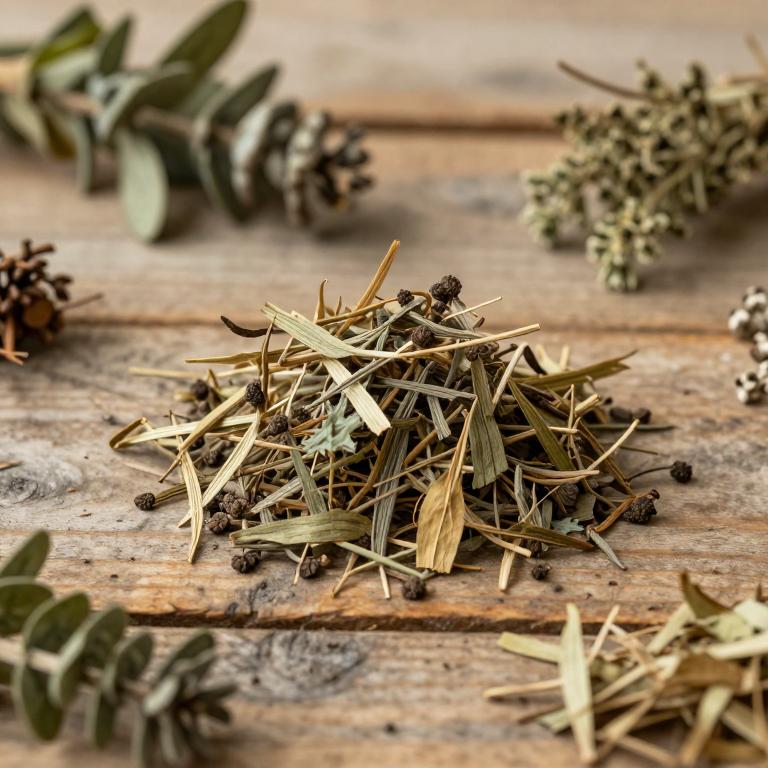
Names and Synonyms
Scientific Names
Accepted name
Piper malgassicumSources: Wikidata
Taxonomical Classification
This plant belongs to the kingdom Plantae and the phylum Streptophyta, falling under the class Equisetopsida and subclass Magnoliidae. Within the order Piperales and the family Piperaceae, it is specifically classified under the genus Piper. As a member of the Piper malgassicum species, it follows this established hierarchical structure.
| Rank | Classification |
|---|---|
| Kingdom | Plantae |
| Phylum | Streptophyta |
| Class | Equisetopsida |
| Subclass | Magnoliidae |
| Order | Piperales |
| Family | Piperaceae |
| Genus | Piper |
Sources: The World Checklist of Vascular Plants (WCVP)
Distribution
This plant is characterized by a very specific and localized geographical distribution. It is found exclusively within the unique ecosystems of the Western Indian Ocean. Specifically, its natural habitat is restricted to the island of Madagascar. Due to this limited range, it is considered an endemic species to that particular region. Consequently, the survival of the species is closely tied to the environmental conditions of Madagascar.
| Region | Area |
|---|---|
| Western Indian Ocean | Madagascar |
Sources: The World Checklist of Vascular Plants (WCVP)
Plant Parts
Piper malgassicum has 1 reported plant parts identified across 1 scientific publications and several other databases that are studied for medicinal purposes. The most consistently reported plant part include fruit.
| Plant part | Supporting sources | Consensus |
|---|---|---|
| Fruit | 1 supporting sources | ★☆☆☆☆ |
Fruit
- Chemistry & biodiversity
Chemicals
Piper malgassicum has 3 reported phytochemicals identified across 1 scientific publications and several other databases. The most consistently reported chemicals include Linalool, Terpenes, piperine.
| Chemical | Supporting sources | Consensus |
|---|---|---|
| Linalool | 1 supporting sources | ★☆☆☆☆ |
| Terpenes | 1 supporting sources | ★☆☆☆☆ |
| piperine | 1 supporting sources | ★☆☆☆☆ |
Linalool
- Chemistry & biodiversity
Terpenes
- Chemistry & biodiversity
piperine
- Chemistry & biodiversity