Piper crocatum
Piper crocatum · Accepted scientific name
Scientific literature: Very Sparse (9 studies) · ★☆☆☆☆
Piper crocatum, scientifically known as Piper crocatum, is a versatile medicinal plant cherished in traditional herbalism. Renowned for its aromatic properties, it offers significant therapeutic benefits, including anti-inflammatory and antioxidant effects. Often used to support digestive health, this potent botanical serves as a vital resource in natural healing.
- Family
- Piperaceae
- Native range
- Southern America
- Parts used
- Leaf
- Common names
- Not available
- Scientific synonyms
- Steffensia Crocata · Artanthe Stupposa · 3 more
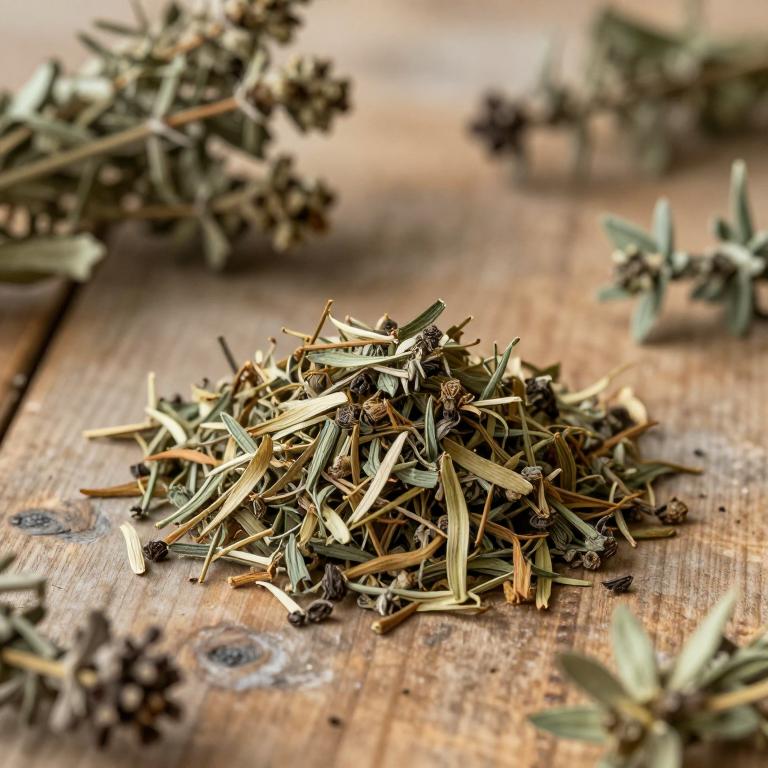
Names and Synonyms
Scientific Names
Accepted name
Piper crocatumSynonyms
- Steffensia crocata
- Artanthe stupposa
- Piper stupposum
- Artanthe crocata
- Piper crocatum var. gracilescens
Sources: Wikidata, Catalogue of Life
Taxonomical Classification
This plant belongs to the kingdom Plantae and the phylum Streptophyta, specifically categorized within the class Equisetopsida and subclass Magnoliidae. It is further classified under the order Piperales and the family Piperaceae. Finally, it is identified by the genus Piper, within which its specific species name is crocatum.
| Rank | Classification |
|---|---|
| Kingdom | Plantae |
| Phylum | Streptophyta |
| Class | Equisetopsida |
| Subclass | Magnoliidae |
| Order | Piperales |
| Family | Piperaceae |
| Genus | Piper |
Sources: The World Checklist of Vascular Plants (WCVP)
Distribution
This plant, known as Piper crocatum, exhibits a specific geographical distribution within the Western South American region. Its natural habitat is primarily concentrated in the diverse landscapes of Ecuador. Additionally, the species is found throughout various parts of Peru. These two countries represent the core areas where the plant thrives in the wild. Consequently, its range is relatively localized to these specific western territories.
| Region | Area |
|---|---|
| Western South America | Ecuador |
| Western South America | Peru |
Sources: The World Checklist of Vascular Plants (WCVP)
Botanical Identification
Morphology
The morphology of Piper crocatum is characterized by a growth form that primarily manifests as a shrubby herb, displaying a variable degree of woodiness in its stem structure. It functions as a self-supporting climber, exhibiting both obligatory and facultative climbing traits that allow it to navigate its environment, though it remains largely characterized as a self-supporting entity rather than a liana or vine. The plant is strictly terrestrial in its habitat, lacking any aquatic, semiaquatic, or epiphytic tendencies; it is neither a holoepiphyte, hemiepiphyte, nor a facultative epiphyte, but rather maintains a terrestrial existence. Furthermore, it is an independent organism, showing no parasitic behavior, whether obligatory or facultative.
- Aquatic :
- terrestrial
- Climber :
- self-supporting
- Epiphyte :
- terrestrial
- Growth form :
- shrub
- Parasite :
- independent
- Woodiness :
- variable
Sources: Global Inventory of Floras and Traits (GIFT)
Plant Parts
Piper crocatum has 1 reported plant parts identified across 1 scientific publications and several other databases that are studied for medicinal purposes. The most consistently reported plant part include leaf.
| Plant part | Supporting sources | Consensus |
|---|---|---|
| Leaf | 1 supporting sources | ★☆☆☆☆ |
Leaf
- Scientific reports
Activities
Piper crocatum has 4 reported activities identified across 1 scientific publications and several other databases. The most consistently reported activities include Antioxidant, Antifungal, Antinecrotic, Hepatoprotective.
| Activity | Supporting sources | Consensus |
|---|---|---|
| Antioxidant | 2 supporting sources | ★☆☆☆☆ |
| Antifungal | 1 supporting sources | ★☆☆☆☆ |
| Antinecrotic | 1 supporting sources | ★☆☆☆☆ |
| Hepatoprotective | 1 supporting sources | ★☆☆☆☆ |
Antioxidant
- Heliyon
- Saudi pharmaceutical journal : SPJ : the official publication of the Saudi Pharmaceutical Society
Antifungal
- Molecules (Basel, Switzerland)
Antinecrotic
- Saudi pharmaceutical journal : SPJ : the official publication of the Saudi Pharmaceutical Society
Hepatoprotective
- Saudi pharmaceutical journal : SPJ : the official publication of the Saudi Pharmaceutical Society
Conditions
Piper crocatum has 3 reported investigations on conditions identified across 1 scientific publications and several other databases. The most consistently reported conditions include antioxidant, cirrhosis, dental caries.
| Condition | Supporting sources | Consensus |
|---|---|---|
| Antioxidant | 1 supporting sources | ★☆☆☆☆ |
| Cirrhosis | 1 supporting sources | ★☆☆☆☆ |
| Dental caries | 1 supporting sources | ★☆☆☆☆ |
Antioxidant
- Biological & pharmaceutical bulletin
Cirrhosis
- Saudi pharmaceutical journal : SPJ : the official publication of the Saudi Pharmaceutical Society
Dental caries
- Molecules (Basel, Switzerland)