Japanese White Pine
Pinus parviflora var. parviflora · Accepted scientific name
Scientific literature: Very Sparse (2 studies) · ★☆☆☆☆
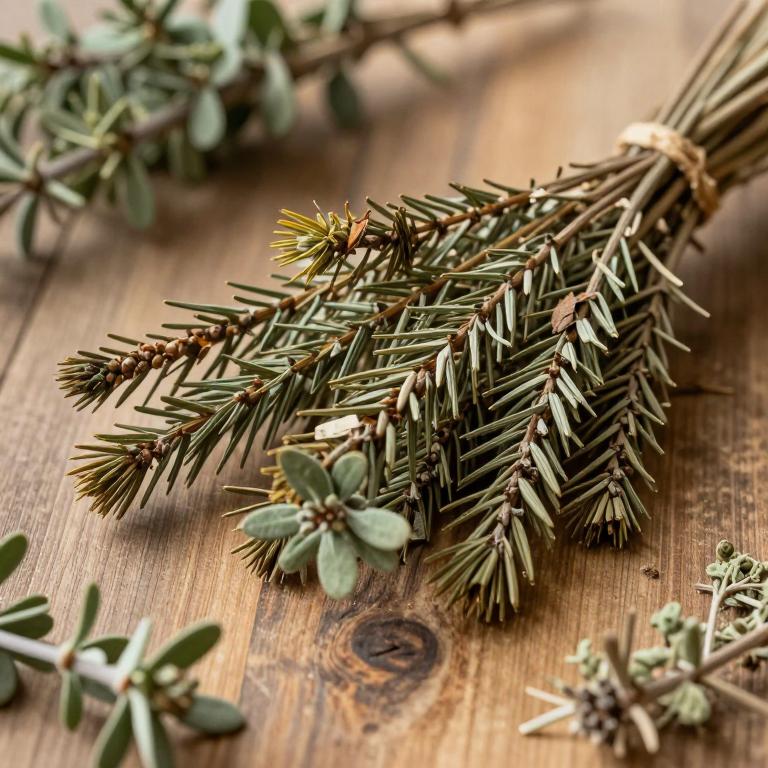
Japanese White Pine, scientifically known as Pinus parviflora var. parviflora, is a majestic evergreen native to East Asia. Valued for its aromatic needles and edible pine nuts, this species holds significant medicinal importance. It is traditionally utilized in herbal remedies to support respiratory health and promote overall wellness.
- Family
- Pinaceae
- Native range
- Asia-Temperate
- Parts used
- Not available
- Common names
- Japanese White Pine
- Scientific synonyms
- Pinus Himekomatsu · Pinus Parviflora Subvar. Todaiensis · 4 more
Names and Synonyms
Common Names
- Japanese White Pine
Scientific Names
Accepted name
Pinus parviflora var. parvifloraSynonyms
- Pinus himekomatsu
- Pinus parviflora subvar. todaiensis
- Pinus parviflora f. glauca
- Pinus parviflora subsp. neoorbiculata
- Pinus pentaphylla var. himekomatsu
- Pinus mayrii
Sources: Wikidata, Catalogue of Life
Taxonomical Classification
This plant belongs to the kingdom Plantae and the phylum Streptophyta, falling under the class Equisetopsida and subclass Pinidae. Within the order Pinales and family Pinaceae, it is classified under the genus Pinus. Specifically, its taxonomic designation is Pinus parviflora var. parviflora.
| Rank | Classification |
|---|---|
| Kingdom | Plantae |
| Phylum | Streptophyta |
| Class | Equisetopsida |
| Subclass | Pinidae |
| Order | Pinales |
| Family | Pinaceae |
| Genus | Pinus |
Sources: The World Checklist of Vascular Plants (WCVP)
Distribution
This plant is a specific variety of Japanese five-needle pine that possesses a limited natural range. Its geographical distribution is primarily concentrated within the region of Eastern Asia. More specifically, the variety is native to the islands of Japan. Within this territory, it can be found growing in various mountainous habitats. Consequently, its presence is highly characteristic of the unique temperate ecosystems found in this part of the world.
| Region | Area |
|---|---|
| Eastern Asia | Japan |
Sources: The World Checklist of Vascular Plants (WCVP)
Activities
Pinus parviflora var. parviflora has 2 reported activities identified across 0 scientific publications and several other databases. The most consistently reported activities include Anticancer, Antioxidant.
| Activity | Supporting sources | Consensus |
|---|---|---|
| Anticancer | 1 supporting sources | ★☆☆☆☆ |
| Antioxidant | 1 supporting sources | ★☆☆☆☆ |
Anticancer
- Scientific reports
Antioxidant
- Scientific reports